 En
En
 русский
 Español
 عربى
عربى Deutsch

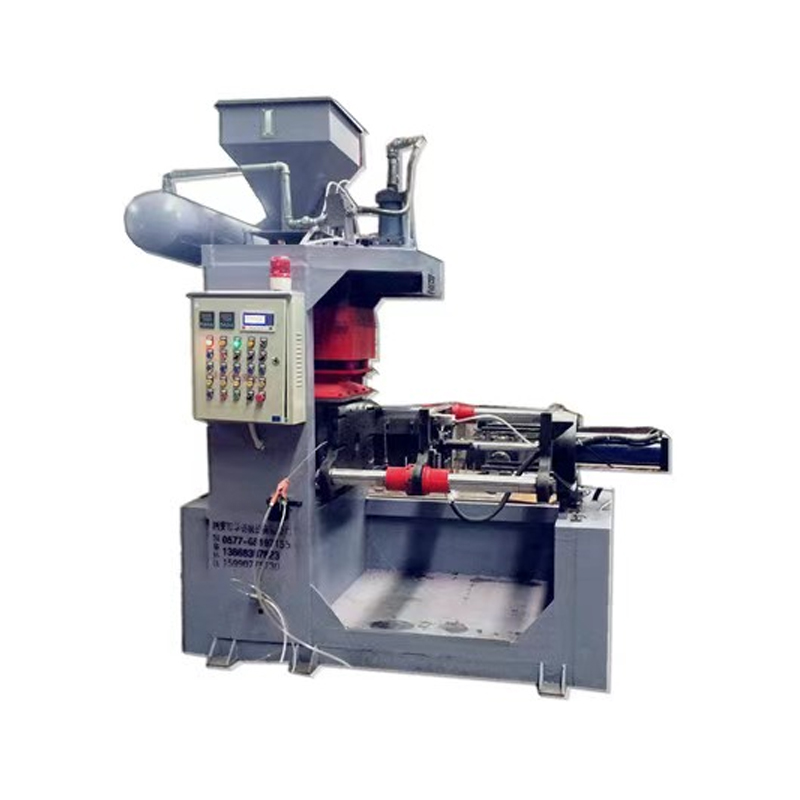
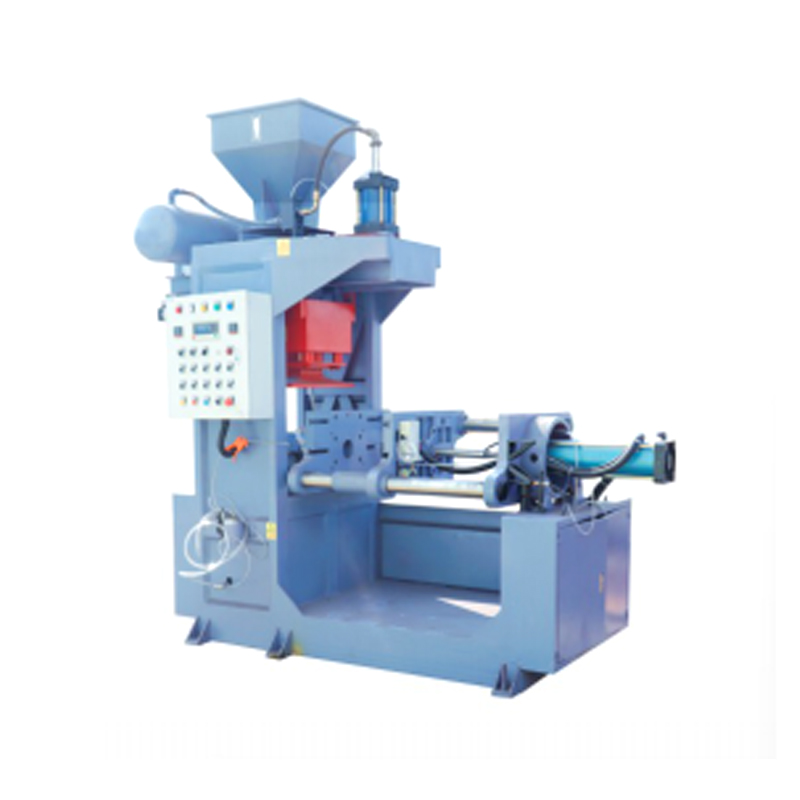
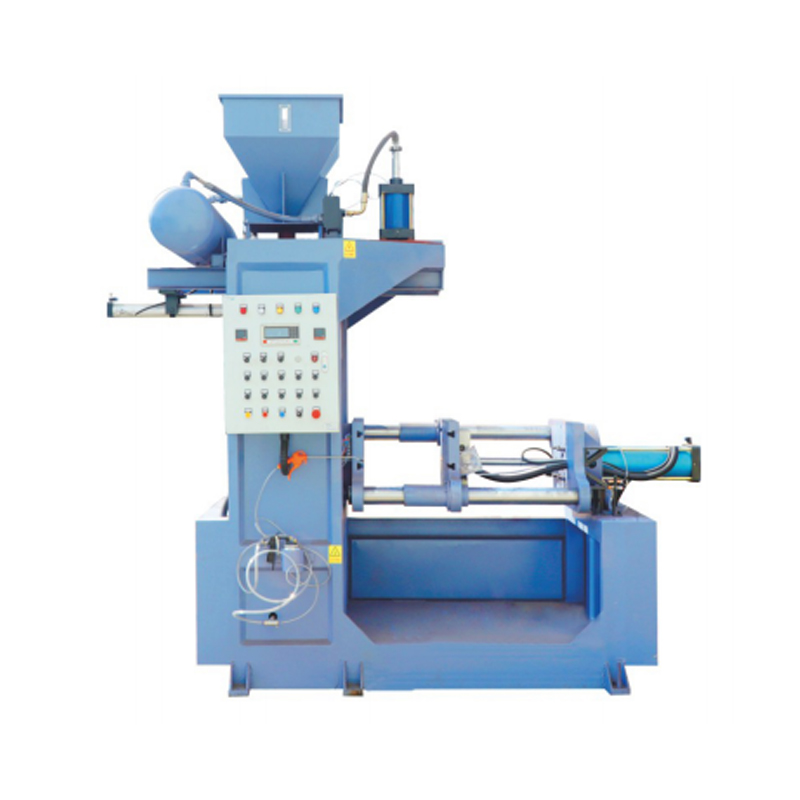
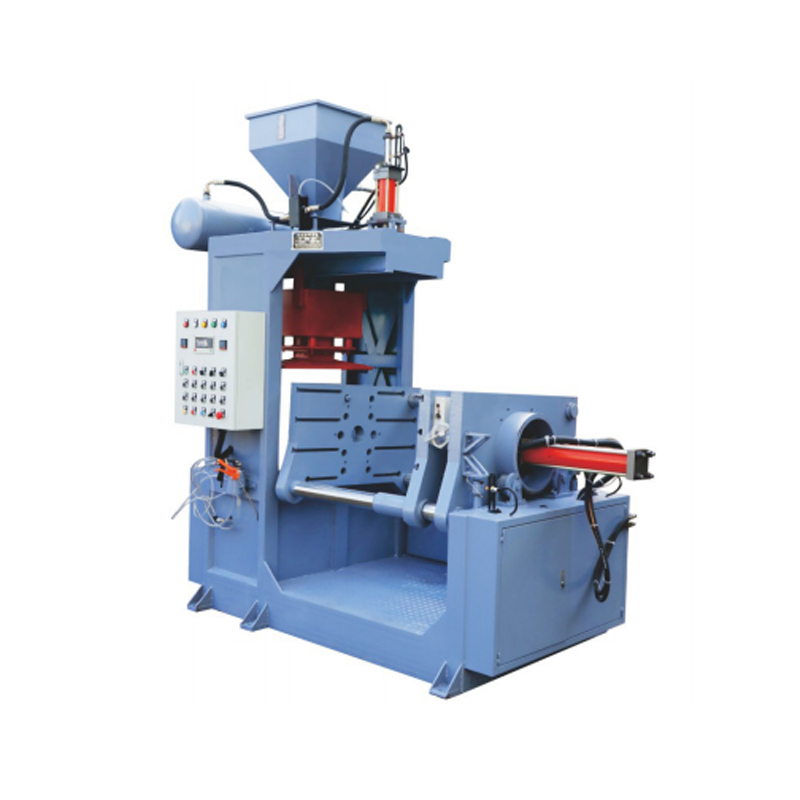


Why Shell Core Machines Still Matter in High-Precision Casting
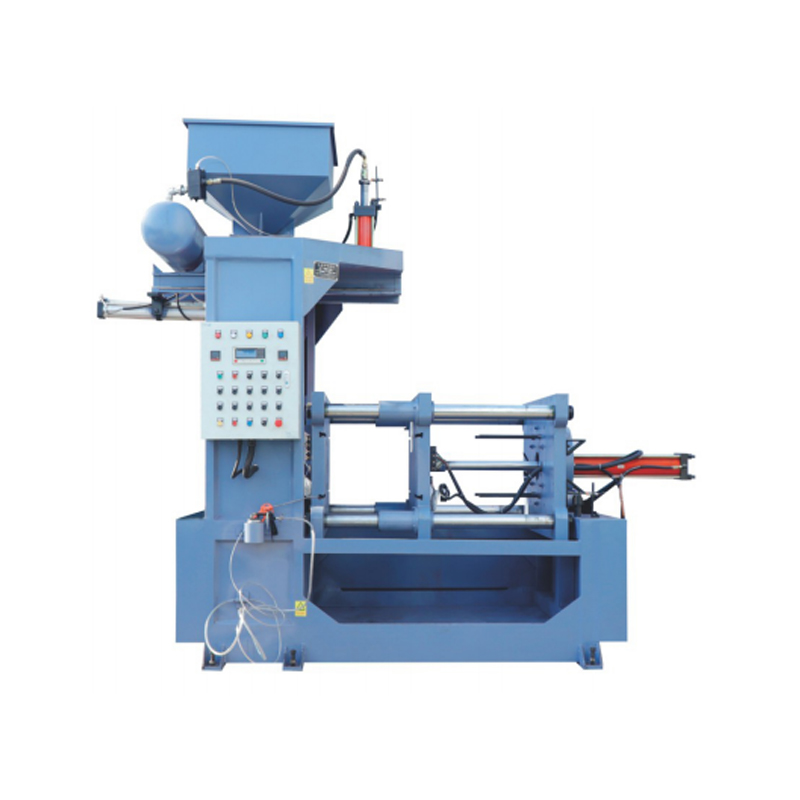
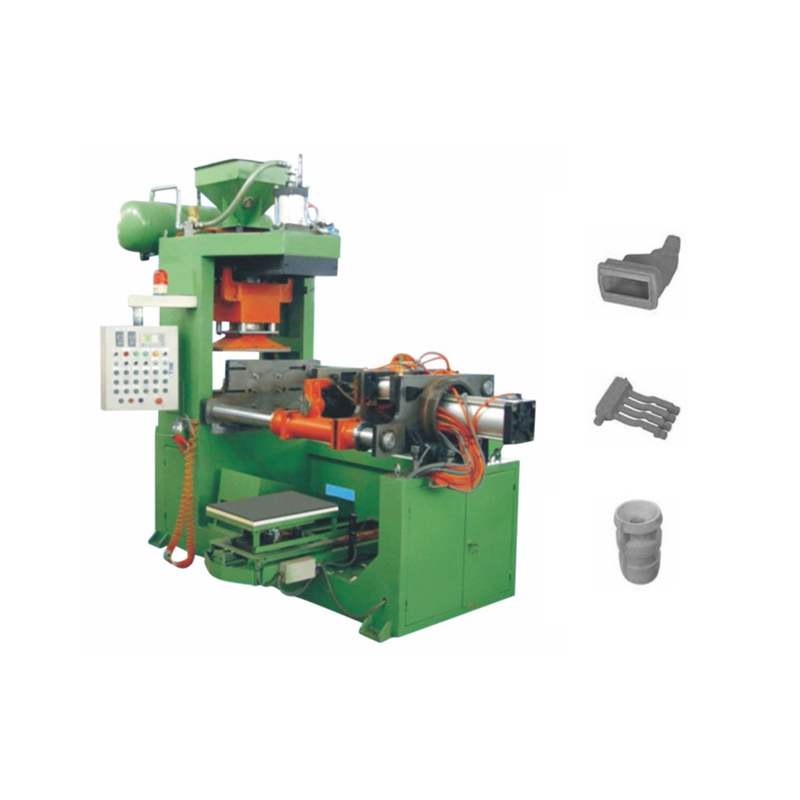
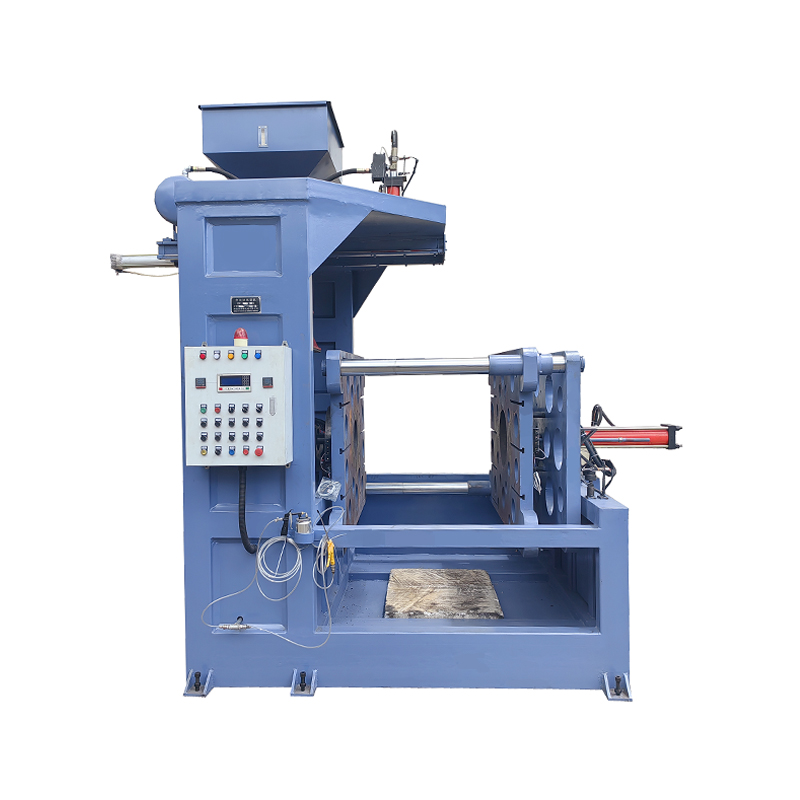
For many foundries, the real challenge is not simply making more cores. It is producing castings with fewer defects, tighter internal accuracy, and more predictable results from batch to batch. That is one reason the Shell Core Machine continues to attract attention in modern casting production. While manufacturing technology keeps evolving, foundries still rely on shell core processes when they need a practical balance of dimensional control, core strength, surface quality, and repeatable output.
In many casting applications, internal geometry determines whether the final part performs as expected. If the core is inconsistent, the casting may require extra finishing, dimensional correction, or even rejection. This is where shell core equipment remains relevant. It helps foundries improve core repeatability and support better control over internal casting features, especially in parts with complex passages, cavities, or thin-wall sections.
The Real Cost of Inconsistent Cores
In foundry operations, poor core consistency does more than affect one stage of production. It can create a chain of problems that spreads through mold assembly, pouring, cleaning, machining, and inspection. A core that varies too much in shape, density, or surface condition may contribute to internal casting defects, unstable tolerances, and avoidable scrap.
This is why many foundries look beyond machine speed alone. A fast machine can look impressive during a short trial, but if it introduces variation into the process, the final cost may be much higher. Scrap, rework, downtime, and labor correction often carry a greater financial impact than a slightly slower but more stable production cycle.
A Shell Core Machine becomes especially valuable when the goal is to reduce these hidden losses by keeping core output more consistent over time.
How Shell Core Machines Support Better Casting Quality
A shell core process is often chosen when casting quality depends heavily on the accuracy and condition of the core. Compared with less controlled core production methods, shell core equipment can help create more uniform cores with better surface characteristics and more dependable structural integrity.
That matters in several ways:
Improved internal dimensional control
When shell cores remain closer to specification, the internal shape of the casting is easier to maintain. This helps reduce dimensional drift in critical areas.
Better surface condition inside the casting
A smoother and more stable core can contribute to improved internal surface quality, which may reduce downstream cleaning or finishing work.
Stronger process repeatability
Repeatable core production supports more predictable mold assembly and casting preparation, helping foundries keep broader production variables under better control.
These advantages are especially important for castings used in automotive, valves, pumps, engineering components, and other precision-demanding applications.
Why Foundries Focus on Stability Over Peak Output
In casting production, one of the most practical concerns is not simply how fast a machine can run, but how consistently it performs over time. High output may look attractive in the short term, yet long-term efficiency often depends on whether the equipment can hold stable results under everyday working conditions. When a machine needs frequent correction, delivers inconsistent cores, or creates problems for the next stage of production, the result is usually more pressure on scheduling, higher labor involvement, and rising manufacturing costs.
For that reason, many buyers and foundry managers judge a Shell Core Machine by its reliability in daily operation rather than by speed figures alone. Stable machine performance can help with:
- keeping core quality more consistent
- reducing unnecessary downtime
- lowering the chance of scrap and rework
- making production schedules easier to manage
- supporting steadier batch-to-batch control
In the long run, these advantages often bring more value than occasional bursts of higher production speed.
Where Shell Core Machines Deliver the Most Value
Not every foundry has the same priorities. Some focus on volume, while others focus on precision, consistency, or reducing total production cost. A Shell Core Machine typically delivers the most value in operations where the casting includes complex internal structures and where core quality has a direct impact on final product performance.
This often includes:
- automotive cast parts
- pump and valve castings
- machinery components
- pipe fittings
- engineering hardware
- custom industrial castings with internal passages
In these applications, the machine is not simply producing a sand core. It is helping protect the dimensional and structural quality of the final casting.
A Broader View: Shell Core Machines as a Cost-Control Tool
More foundries are now assessing equipment by its impact on overall production cost rather than focusing only on output capacity. Seen from that angle, a Shell Core Machine is not just core-making equipment. It is also part of a broader effort to improve process consistency, limit production losses, and reduce waste linked to quality issues.
When core production stays more controlled, foundries can often gain advantages such as:
- fewer defective castings
- reduced finishing and correction work
- smoother and more predictable workflow
- more efficient use of labor and machine hours
- better consistency from one production batch to the next
This wider production benefit is a key reason why shell core equipment continues to be important in modern foundry operations.
Why the Shell Core Machine Remains Relevant
Despite changes in manufacturing technology, the Shell Core Machine remains relevant because it answers a problem that still matters: how to produce castings with better internal quality and fewer avoidable process variations. Foundries are under pressure to improve efficiency, control cost, and maintain product consistency. Stable shell core production supports all three.
Rather than being seen only as a traditional piece of foundry equipment, the shell core machine is better understood as part of a quality-driven production strategy. In many operations, its real value is not just in making cores, but in helping the entire casting process run with greater accuracy, stability, and confidence.



