 En
En
 русский
 Español
 عربى
عربى Deutsch

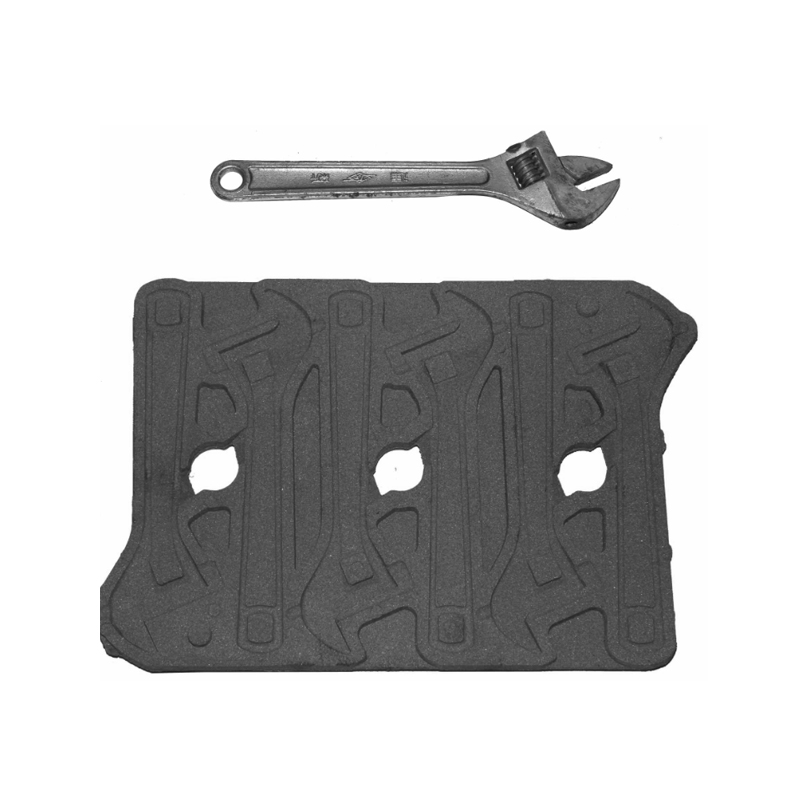
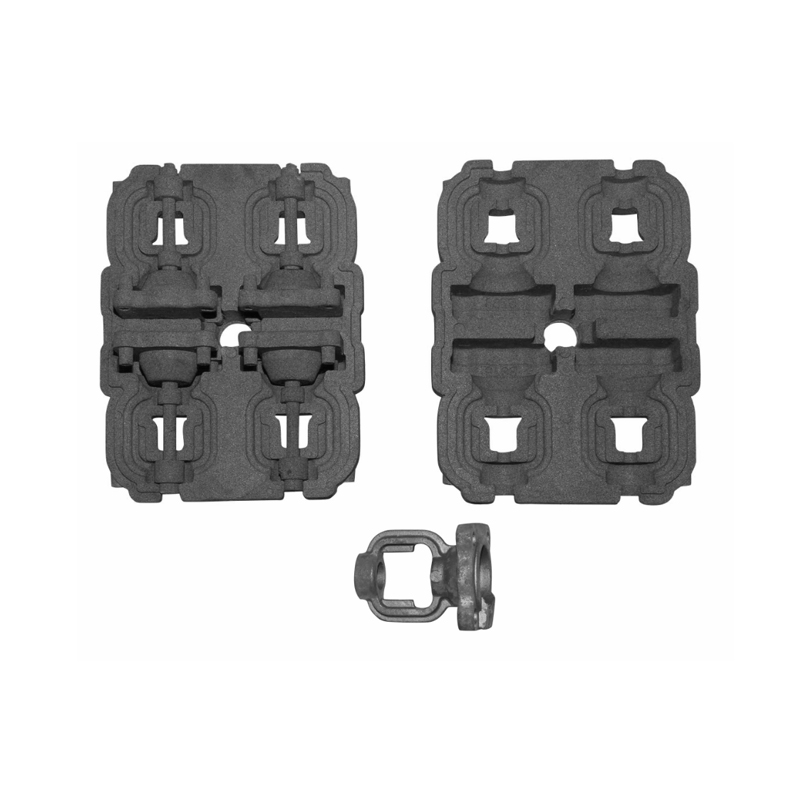
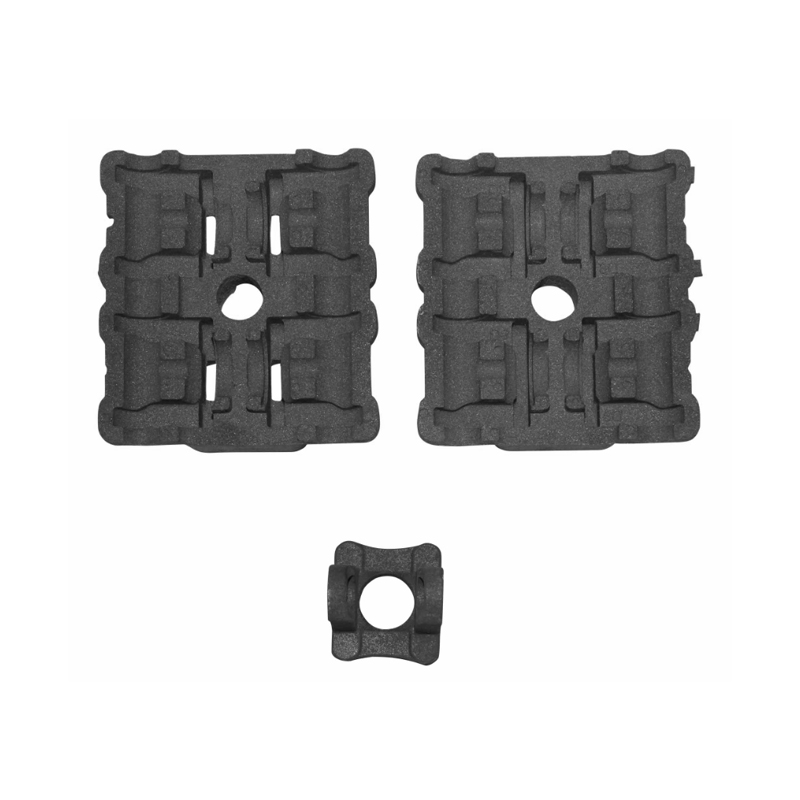
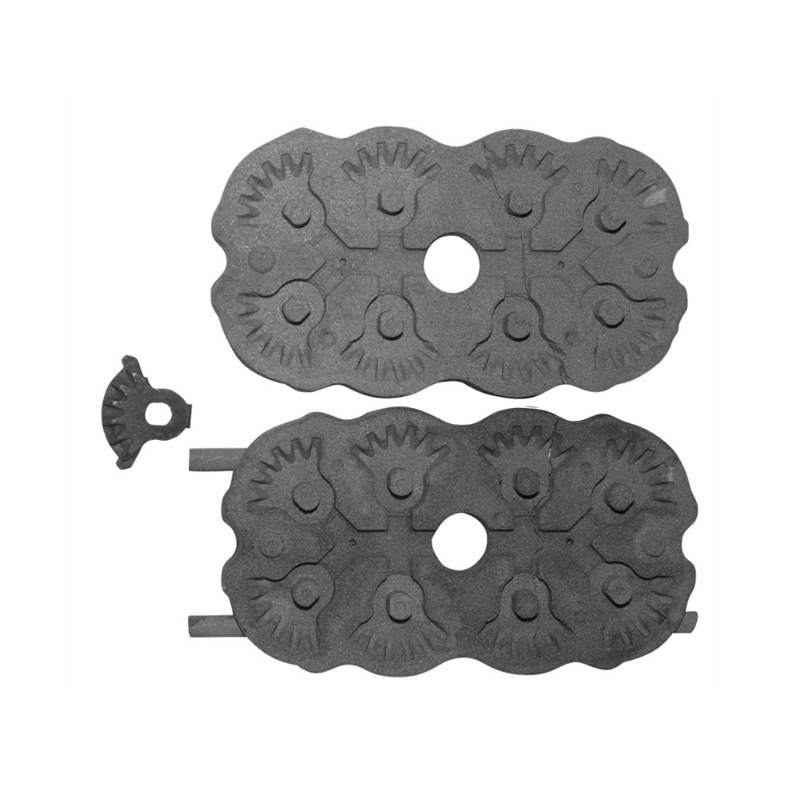



Custom Casting Molds: Why Mold Design Matters in Modern Foundry Production
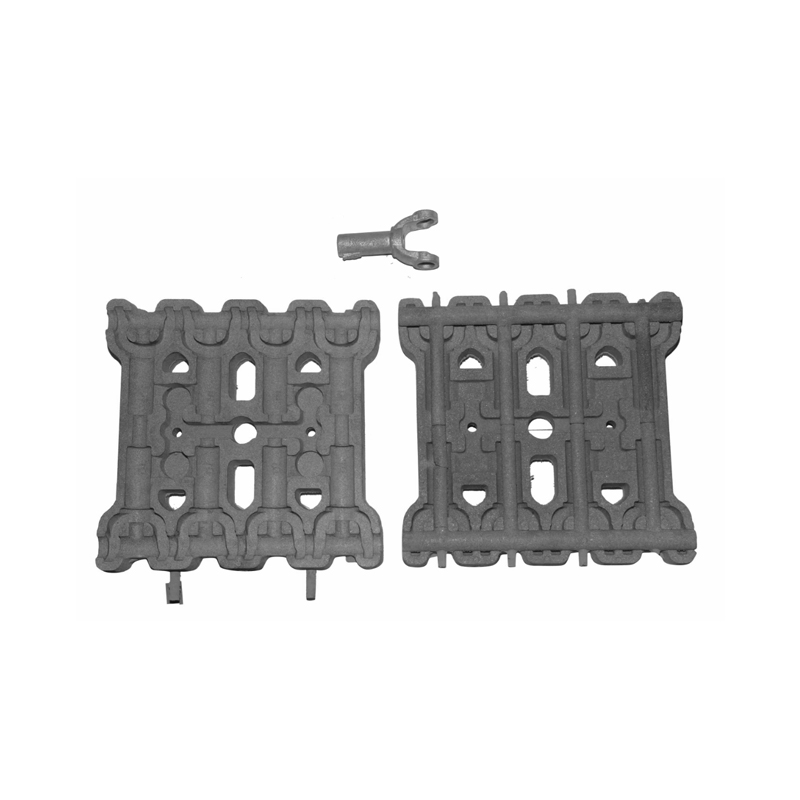
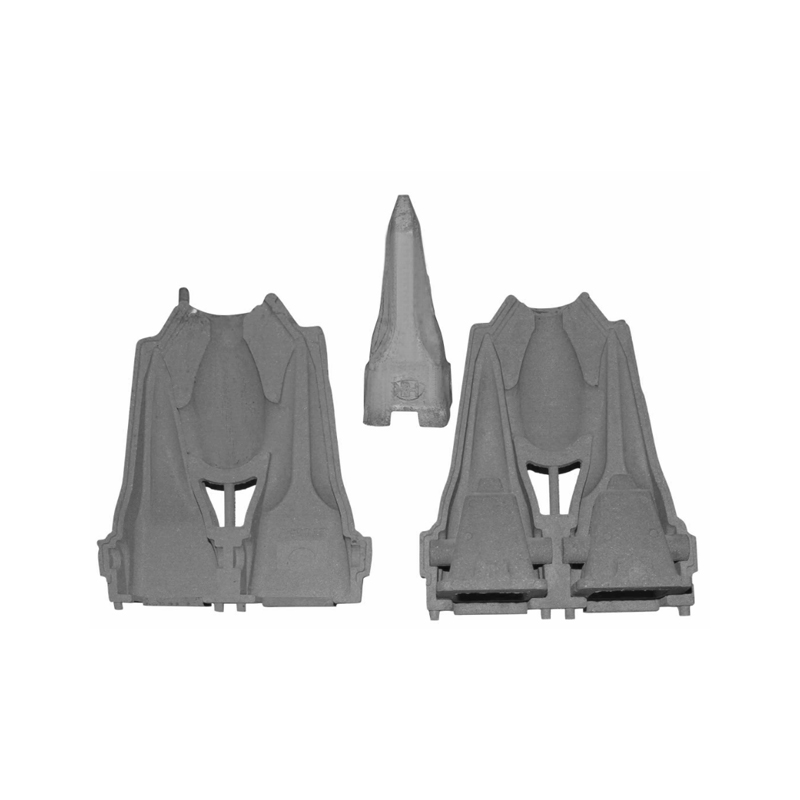
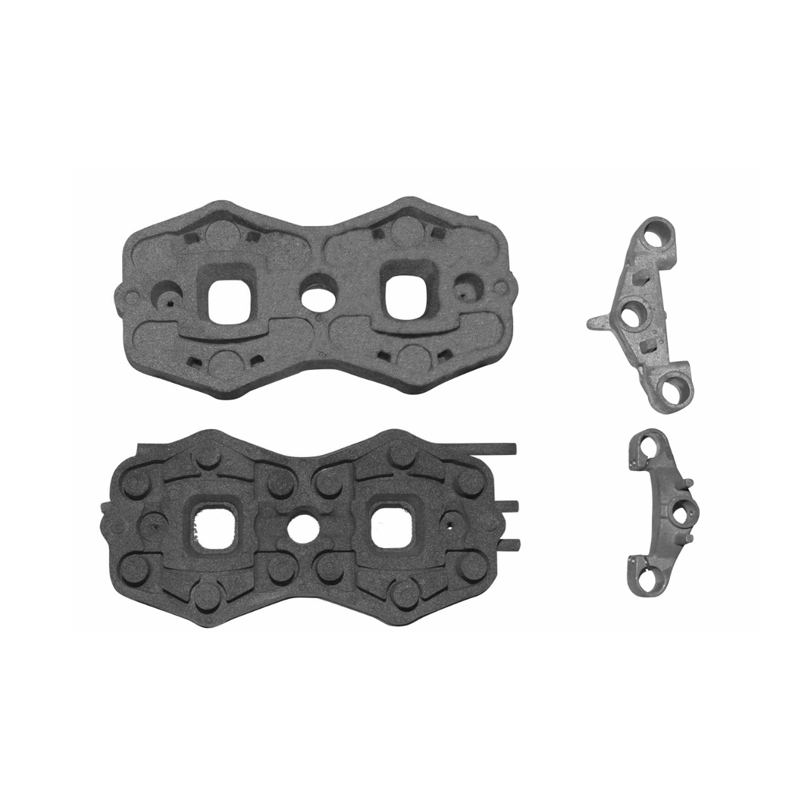
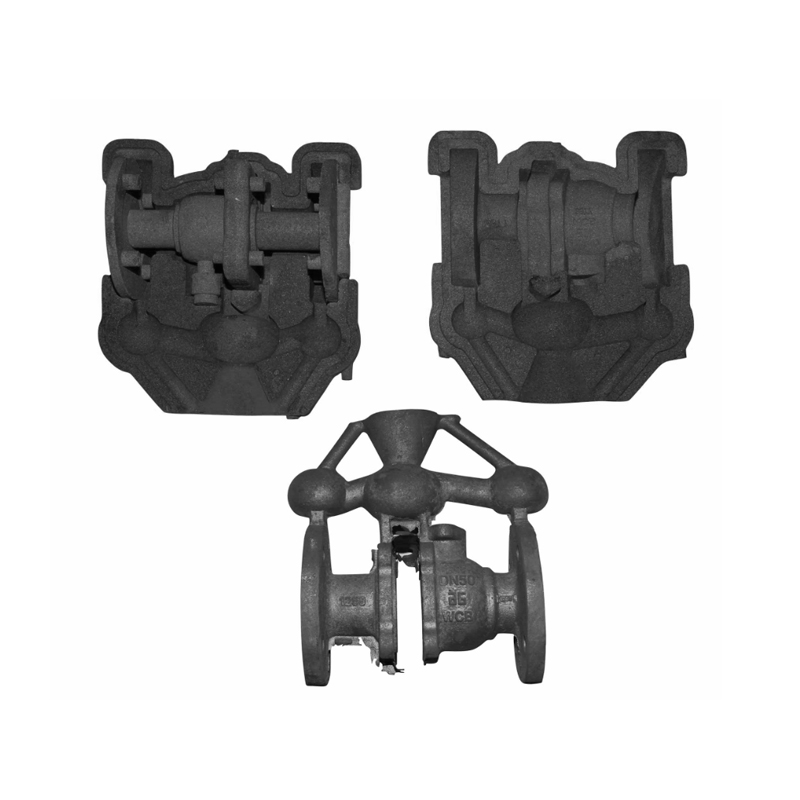
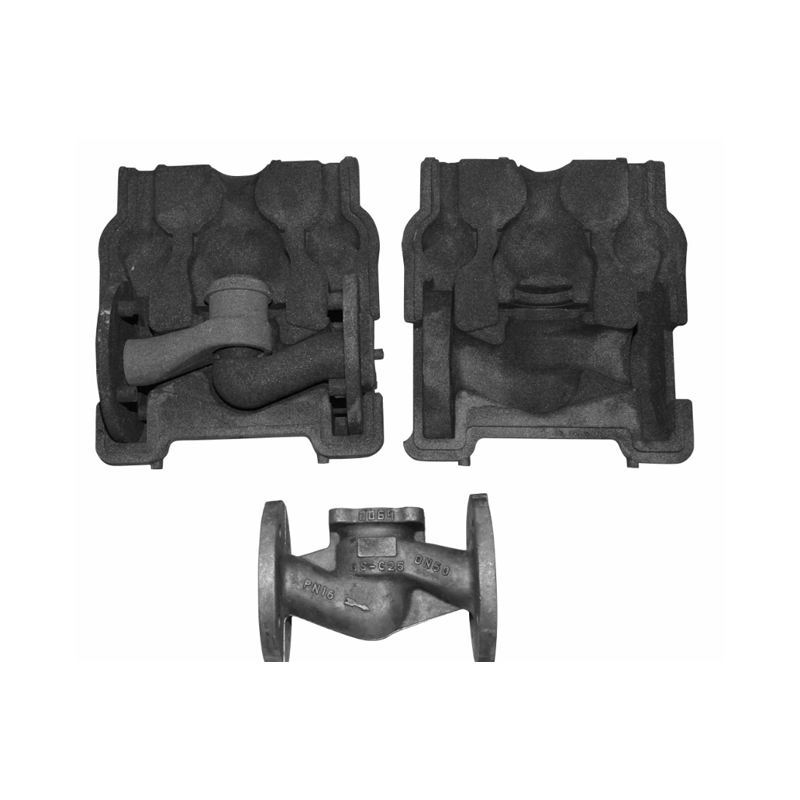
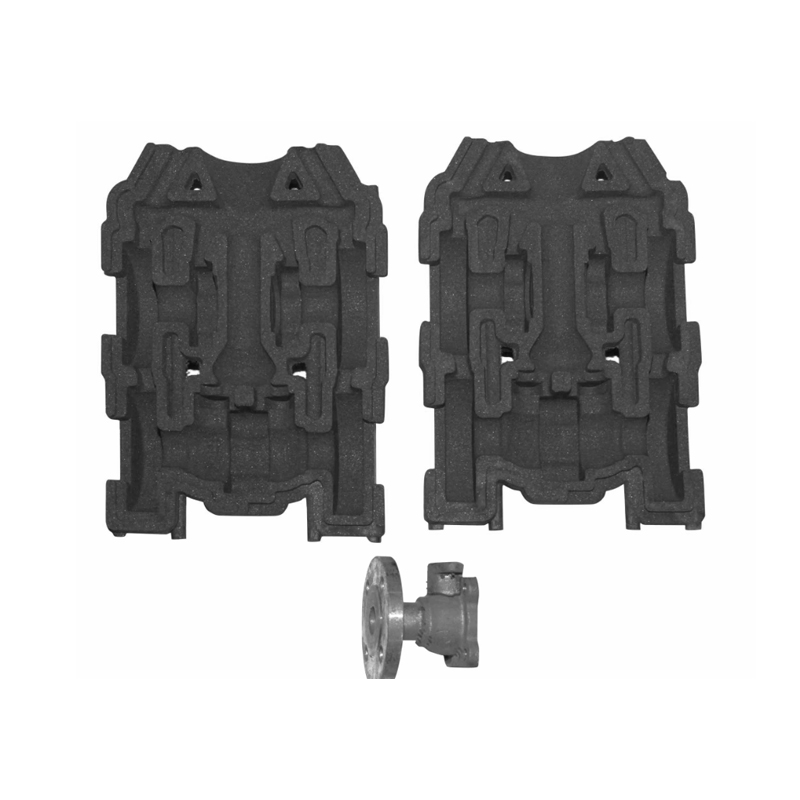
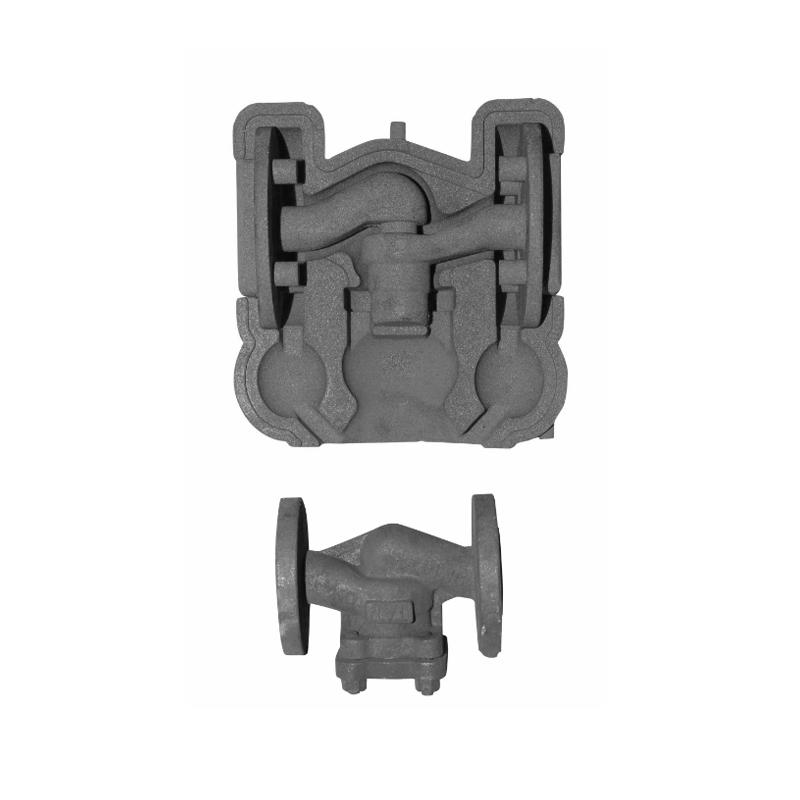
In foundry work, the mold has a direct impact on casting quality from the start. It does more than create the shape of a part. It also affects dimensional accuracy, surface finish, metal flow, cooling behavior, and the consistency of the production process. For companies sourcing cast components, working with an experienced casting molds manufacturer can help reduce production problems, improve repeatability, and support better overall part performance.
The Role of Casting Molds in Product Quality
Casting molds directly influence how molten metal fills, solidifies, and forms inside the cavity. Even when the alloy is properly selected, poor mold design can still lead to defects such as shrinkage, porosity, distortion, or uneven surfaces. This is why custom casting molds are widely used for applications that demand more than standard specifications.
A mold developed for the actual part structure and service environment can help achieve:
- More stable dimensional accuracy
- Better repeatability from batch to batch
- Improved surface quality
- Reduced casting defects
- More efficient production performance
In practical manufacturing, these benefits can make a significant difference in both cost control and downstream machining requirements.
Why Custom Casting Molds Are Often Preferred
Standard mold solutions can work for less demanding parts, but many automotive and industrial castings require tooling designed for the application. Factors such as wall thickness, part geometry, alloy properties, and tolerance requirements all play a role in mold development. For that reason, many manufacturers rely on custom casting molds rather than using the same standard tooling across different projects.
Application-Driven Design
Custom mold design is usually based on the real demands of the part rather than on fixed standard sizes. This makes it possible to build the mold around actual engineering and production needs.
Key design considerations often include:
- Part geometry and structural details
- Tolerance targets and dimensional stability
- Material selection and casting response
- Planned production quantity
- Machining and finishing requirements
When these points are addressed early in development, the mold is more likely to support stable production and meet the practical demands of the finished application.
Better Long-Term Production Value
Developing a custom mold often takes more engineering effort at the beginning, but the long-term return is usually stronger. When the tooling matches the process correctly, manufacturers can reduce scrap, improve output, and avoid repeated changes to the mold during production.
For buyers who care about steady long-term supply, that kind of reliability is often more valuable than choosing a lower-cost standard option that may create consistency problems later.
What to Look for in a Casting Molds Manufacturer
Choosing the right supplier involves more than comparing price. A capable casting molds manufacturer should understand both tooling design and casting production requirements. Mold quality is closely connected to engineering communication, process control, and manufacturing experience.
Important Evaluation Points
When selecting a supplier, buyers often pay attention to the following areas:
- Experience with custom foundry projects
- Ability to handle complex mold structures
- Understanding of material and process compatibility
- Quality control during mold production
- Support for drawing review and technical optimization
A manufacturer with solid project experience can often identify design risks early and recommend improvements before production begins.
Common Industries That Use Custom Casting Molds
Custom mold solutions are widely used across industries where part performance and dimensional accuracy matter. Different sectors may require different material systems, mold structures, and production strategies.
|
Industry |
Typical Mold Use |
Main Focus |
|
Automotive |
Structural parts, housings, brackets |
Weight, strength, repeatability |
|
Machinery |
Functional components, equipment parts |
Durability, cost efficiency |
|
Electrical |
Connection parts, conductive components |
Precision, material performance |
|
Industrial Equipment |
Heat-related and load-bearing parts |
Stability, service life |
Casting molds do more than shape metal components. They also influence part quality, manufacturing efficiency, and the overall outcome of a project. In many applications, custom casting molds are a more effective choice than standard tooling because they are designed around specific technical requirements. For buyers working with an experienced casting molds manufacturer, the real value comes from mold solutions that help maintain consistent casting quality, improve production efficiency, and support stronger long-term results.



