 En
En
 русский
 Español
 عربى
عربى Deutsch

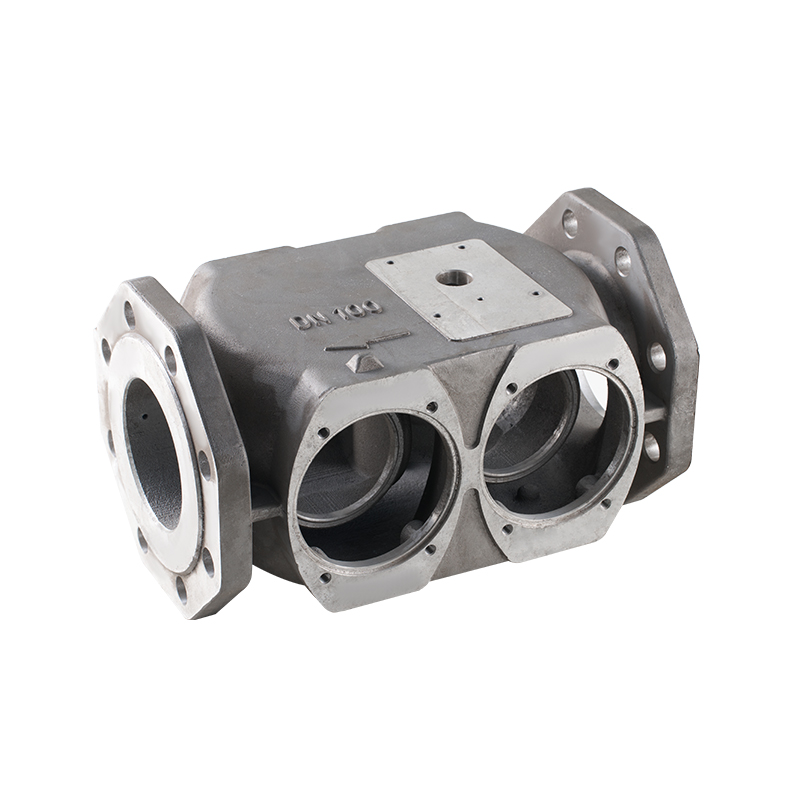
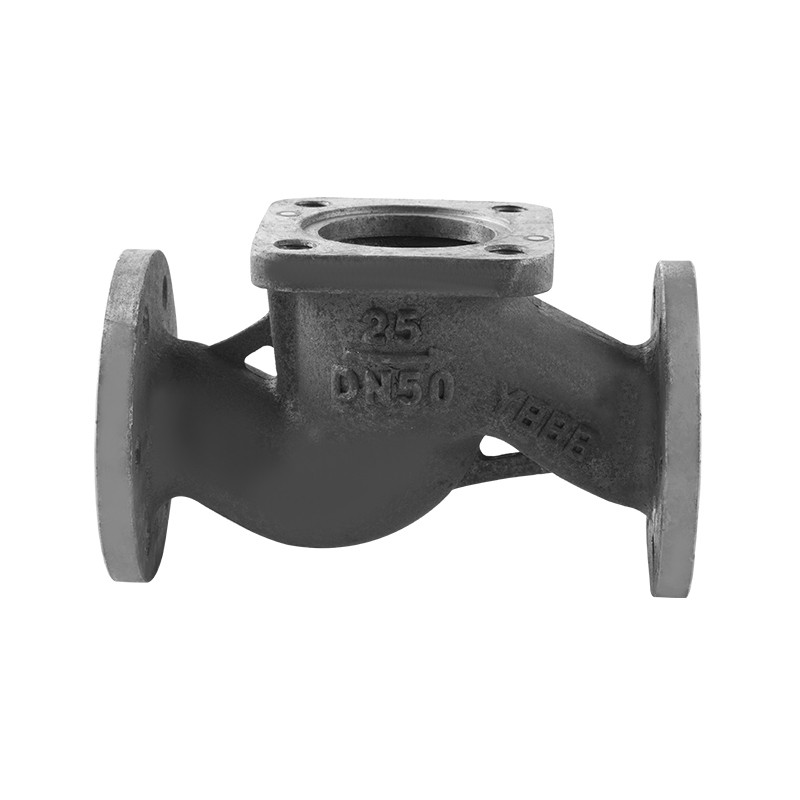
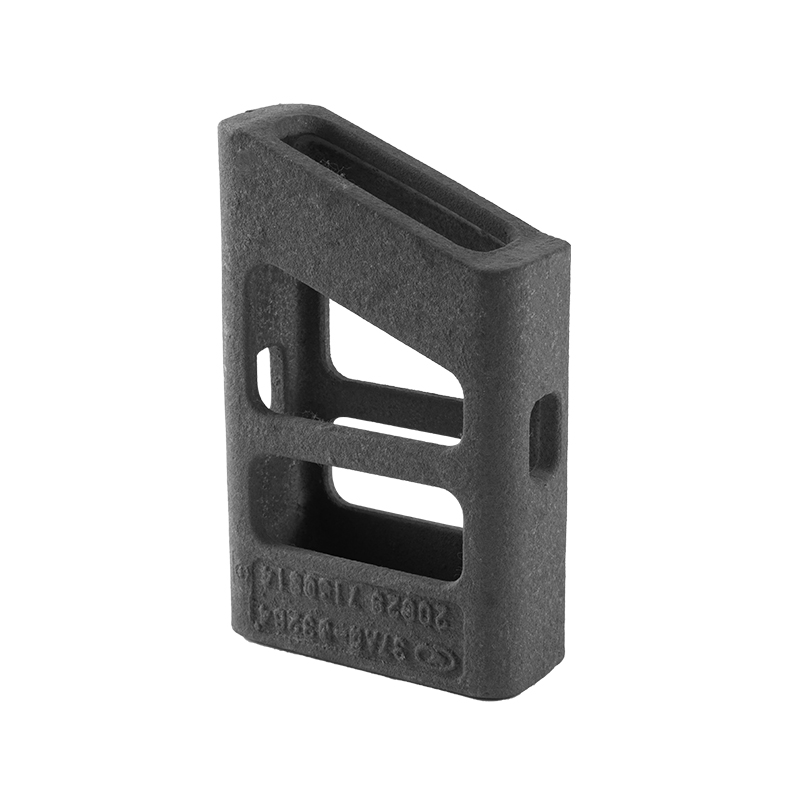
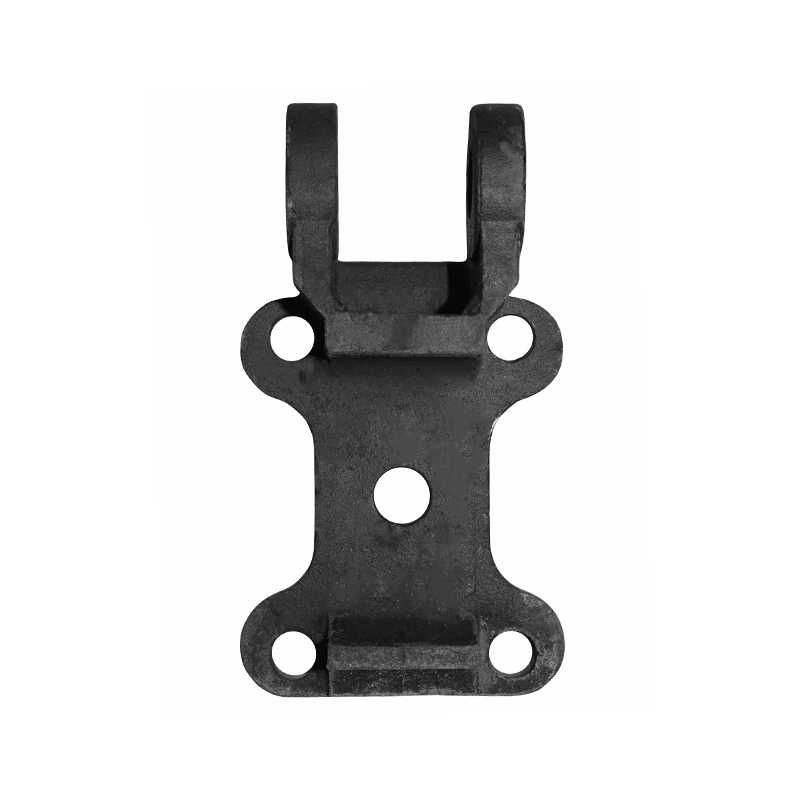


How Custom Casting Parts Support Better Equipment Design and Long-Term Performance
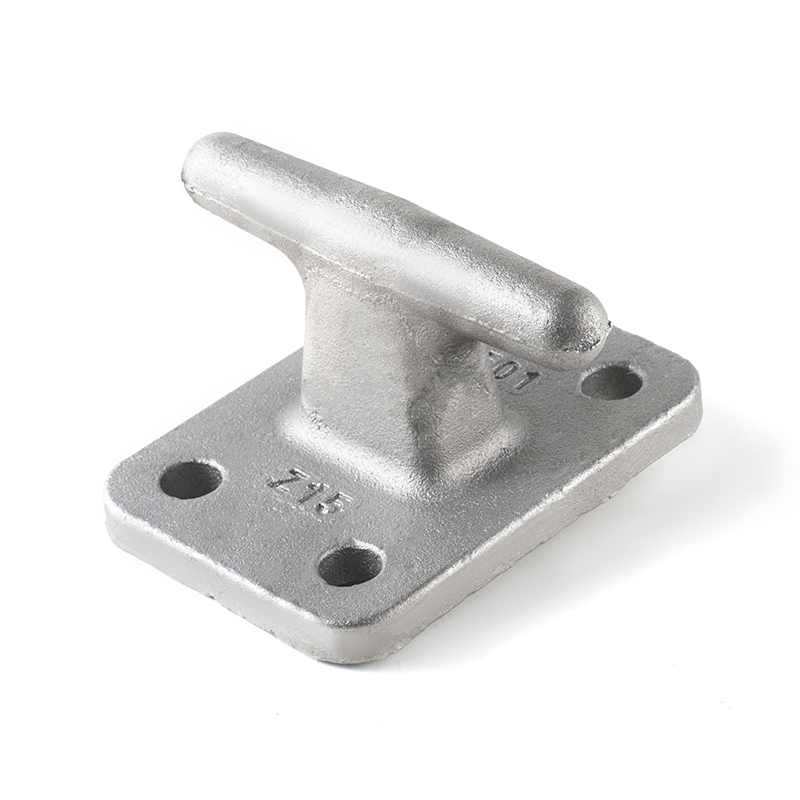
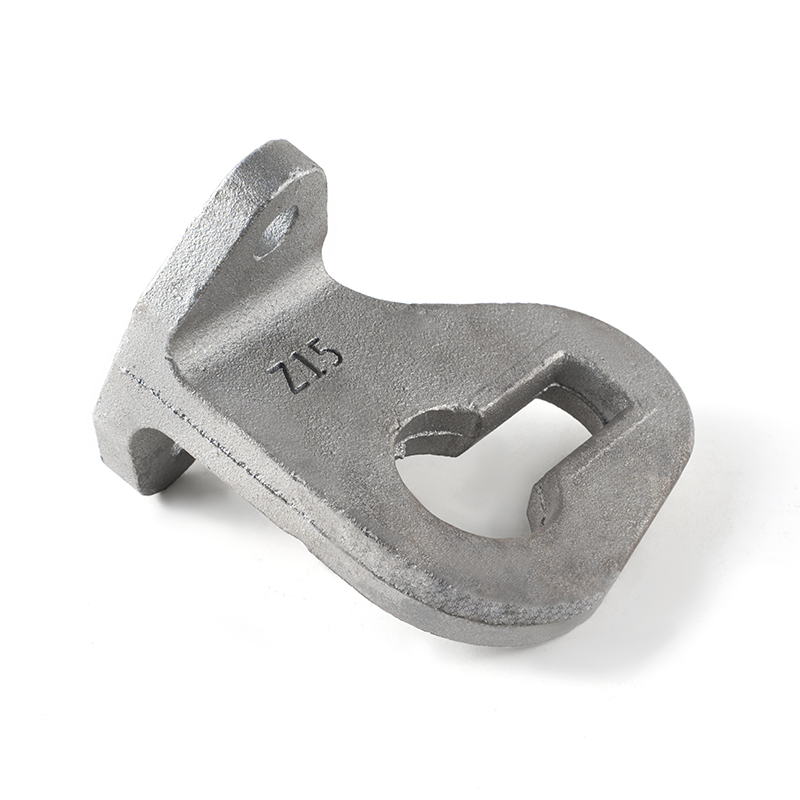
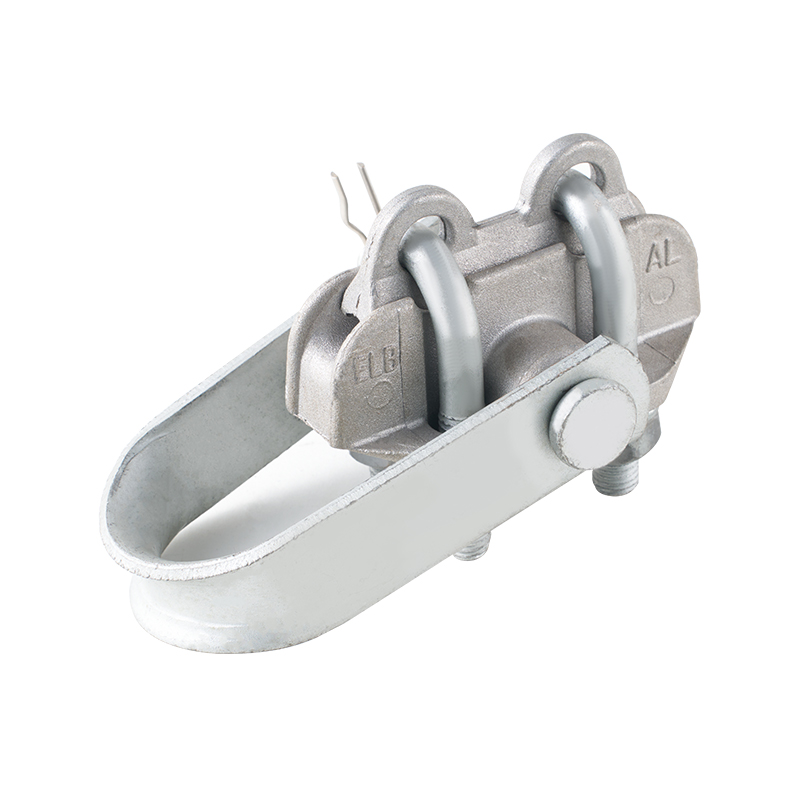
In industrial machinery and equipment, the value of a component depends on more than its material grade or external form. Its real performance is closely connected to how well it matches the working conditions, design structure, and production requirements of the finished system. That is why custom casting parts remain widely used in machinery, pump assemblies, agricultural equipment, transportation systems, and other applications where standard components often cannot provide the right fit.
Equipment Performance Often Depends on Part Design Fit
A part may look perfectly reasonable in a drawing, yet once it is put into service, hidden issues can begin to show. Load may not spread as intended, wall sections may be heavier than necessary, installation may become awkward, or valuable space inside the assembly may be used inefficiently. In many cases, these problems start with a component that was never truly shaped around the working needs of the equipment.
With custom casting, the part can be developed around its actual function instead of being forced into a standard form. This gives engineers more freedom to refine passage design, fixing locations, stressed sections, and assembly clearances so the component works with the equipment rather than against it.
This often leads to practical improvements such as:
A cleaner and more efficient structure Better use of both internal and external space Fewer fitment issues during assembly Less follow-up machining after casting Steadier performance in real operating conditions When a casting is designed as part of the overall equipment concept, the end product is usually simpler to build and more reliable in long-term use.
Precision Casting Parts Help Improve Detail and Dimensional Control
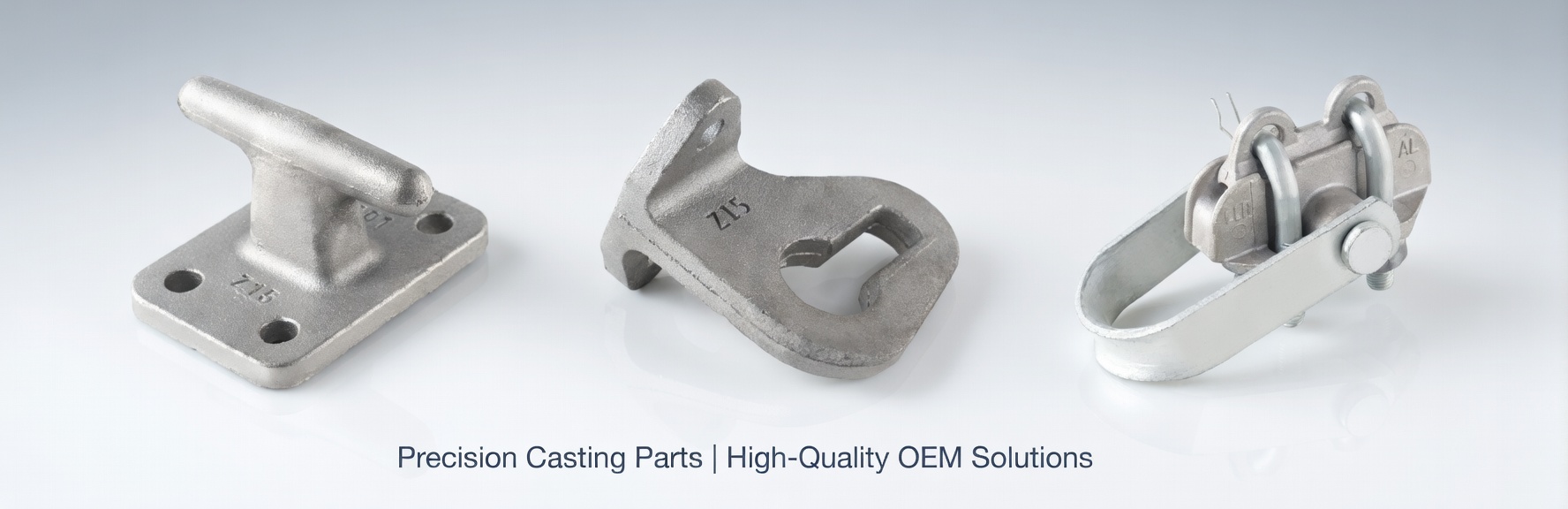
In many applications, component accuracy affects much more than appearance. It can influence sealing performance, alignment, vibration behavior, and the consistency of assembled systems. For this reason, precision casting parts are often selected for structures that require finer detail, tighter dimensional control, or smoother surfaces.
This process is especially useful when a part includes:
- Complex contours
- Thin-wall sections
- Functional internal passages
- Precise connection areas
- Features that would be difficult to machine efficiently
By reducing the need for extensive post-processing, precision casting can support both design quality and manufacturing efficiency at the same time.
Sand Castings Remain Effective for Strong and Versatile Mechanical Components
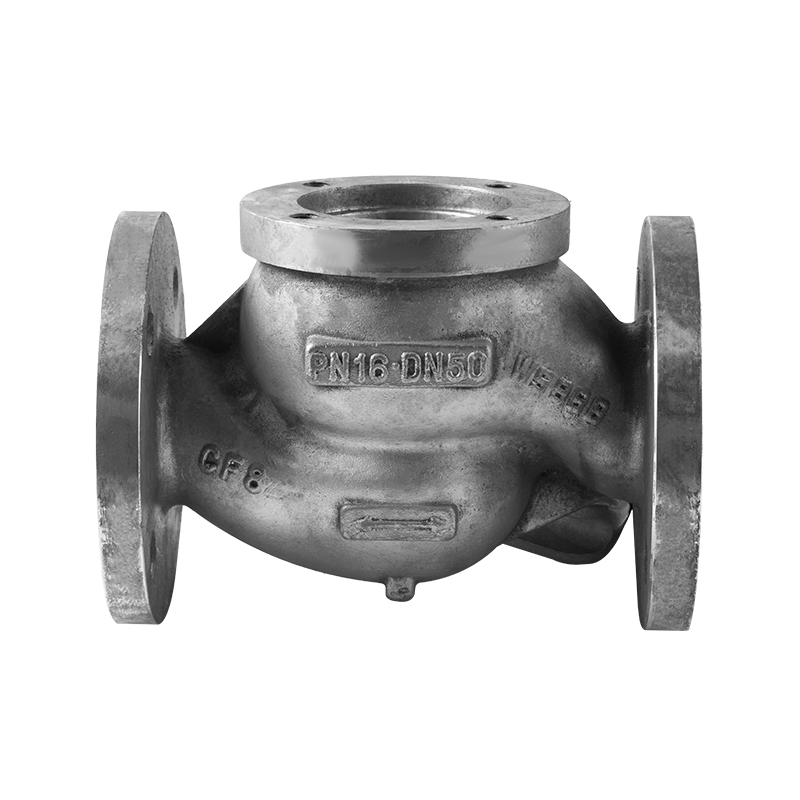
For many industrial products, sand castings remain a practical option because they offer a strong balance between design flexibility, structural strength, and production economy. They are widely used for housings, covers, supports, valve bodies, pump casings, and other mechanical parts that need reliable performance in demanding environments.
One reason sand casting continues to be widely applied is its adaptability. It can support a broad range of sizes and shapes while remaining suitable for components that require durable structure rather than extremely fine decorative finish.
In many cases, sand castings are a good fit for:
- Heavy-duty service parts
- Components with complex cavities
- Medium to large structural castings
- Applications with cost-sensitive production targets
- Equipment exposed to wear, load, or harsh operating conditions
This makes the process especially relevant for mechanical systems where strength and function are more important than cosmetic refinement.
Good Casting Design Starts Before Production Begins
Long before metal is poured, many of the key results of a casting project have already been set in motion. Choices involving alloy type, section thickness, draft details, machining margins, and production practicality can all affect how the part turns out and how efficiently it can be made.
When these considerations are built into the planning stage, it becomes much easier to prevent common production issues such as:
- Shrinkage defects
- Part distortion
- Inconsistent dimensions
- Excessive machining requirements
- Variation between production runs
Strong casting design supports more than the part alone; it also helps machining, fit-up, inspection, and assembly move forward with fewer complications later in production.
The value of customization is closely tied to how equipment performs in actual service. A component that matches the intended load, movement, temperature range, and installation structure will usually perform more reliably than one selected only for convenience.
For this reason, custom casting production remains a practical solution for industrial components that need to combine structural integrity, dimensional suitability, and manufacturing efficiency. When casting design is aligned with real operating conditions, the result is often a part that works more naturally within the system and delivers more stable long-term performance.



