 En
En
 русский
 Español
 عربى
عربى Deutsch



Custom Automotive Casting Parts: Material Choices, Design Priorities, and Foundry Solutions
Automotive casting parts continue to be widely used in vehicle manufacturing because they make it easier to combine strength, weight management, heat performance, and production practicality within a single part. Whether used in supporting structures, temperature-sensitive areas, or connecting components, automobile castings are typically chosen for more than their external shape, since actual working demands often determine the most suitable casting solution. In custom foundry production, a casting is valued less by whether it matches a standard size and more by whether it has been designed to fit the real material specifications, technical requirements, and dimensional conditions of the application.
Why Custom Automobile Castings Matter in Real Applications
In the automotive sector, many components cannot be fully standardized because working conditions vary from one design to another. Load requirements, assembly space, heat exposure, corrosion risks, and machining tolerances can all influence the final part structure. This is why custom automobile castings remain highly relevant across a wide range of vehicle and equipment applications.
Compared with standard parts, customized castings offer more flexibility in:
- Material selection
- Geometry optimization
- Weight control
- Functional integration
- Performance matching for specific service environments
For manufacturers and project buyers, this means the casting can be developed around the application rather than forcing the application to adapt to an off-the-shelf part.
Common Materials Used in Automotive Casting Parts
Material choice has a direct effect on casting performance, cost, service life, and manufacturing method. Among the most widely used options, aluminum alloy castings and copper alloy castings serve very different technical purposes.
|
Casting Material |
Key Advantages |
Typical Automotive Use |
|
Aluminum Alloy Castings |
Lightweight, good corrosion resistance, strong thermal performance |
Housings, brackets, engine-related parts, lightweight structures |
|
Copper Alloy Castings |
Good conductivity, wear resistance, heat resistance |
Bushings, connectors, specialized functional components |
|
Other Automobile Castings |
Adapted for strength, rigidity, or cost control |
General structural and mechanical applications |
These materials are chosen according to function, not simply availability. In automotive casting design, performance under real operating conditions always comes first.
After material selection, the next step is making sure the casting design can be produced consistently without sacrificing part quality.
Aluminum Alloy Castings for Lightweight Design
Aluminum alloy castings are widely used in the automotive industry because lightweight construction has become a major design priority. Reducing part weight can help improve fuel efficiency, support energy-saving goals, and make assembly systems easier to handle.
Common reasons for choosing aluminum alloy castings include:
- Lower component weight
- Good corrosion resistance
- Efficient heat dissipation
- Suitability for complex part geometry
- Better balance between performance and manufacturability
These advantages make aluminum alloy castings a practical option for parts that require both structural integrity and reduced mass.
Copper Alloy Castings for Functional Performance
Copper alloy castings are usually chosen for performance-related functions rather than for reducing overall part weight. In automotive manufacturing and other industrial fields, they are widely applied in situations where electrical conductivity, resistance to wear, or stable behavior under heat is required.
They are often suitable for:
- Electrical system components
- High-friction contact areas
- Elevated-temperature operating environments
- Custom inserts or connecting parts
Since copper alloy castings are commonly used in more specialized applications, they are frequently produced as custom-engineered parts instead of standard catalog items.
Customized Foundry Development Is About More Than Shape
In custom casting projects, the product is not simply copied from a drawing and poured into metal. A professional foundry process usually involves reviewing the application, confirming material expectations, evaluating dimensional requirements, and adjusting the structure so the part can be produced reliably.
This is especially important when the customer requires:
- Special material grades
- Tight dimensional tolerances
- Complex internal or external geometry
- Surface quality requirements
- Specific machining allowances
- Functional performance under defined operating conditions
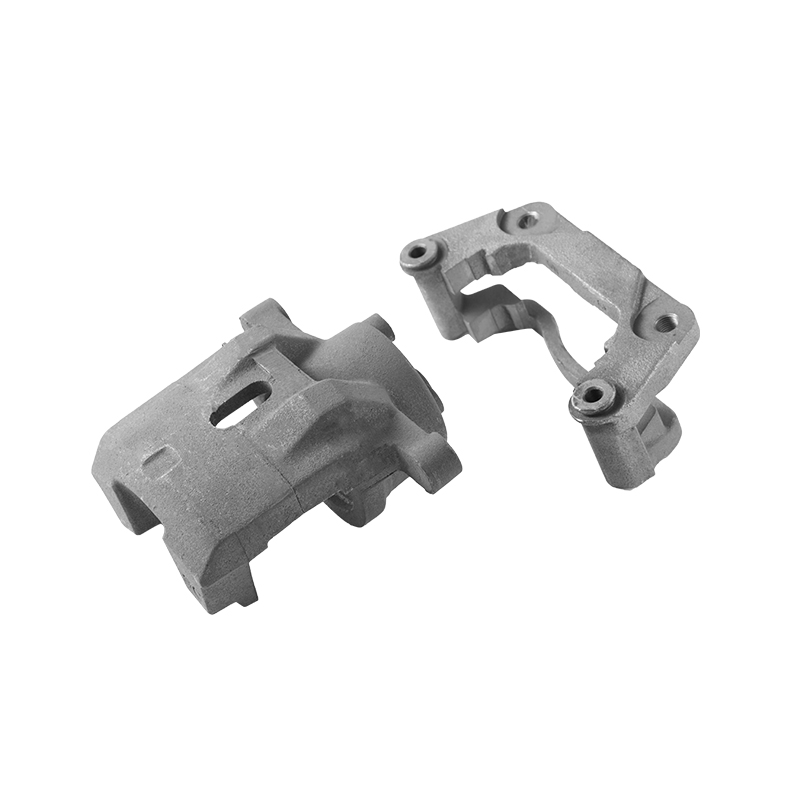
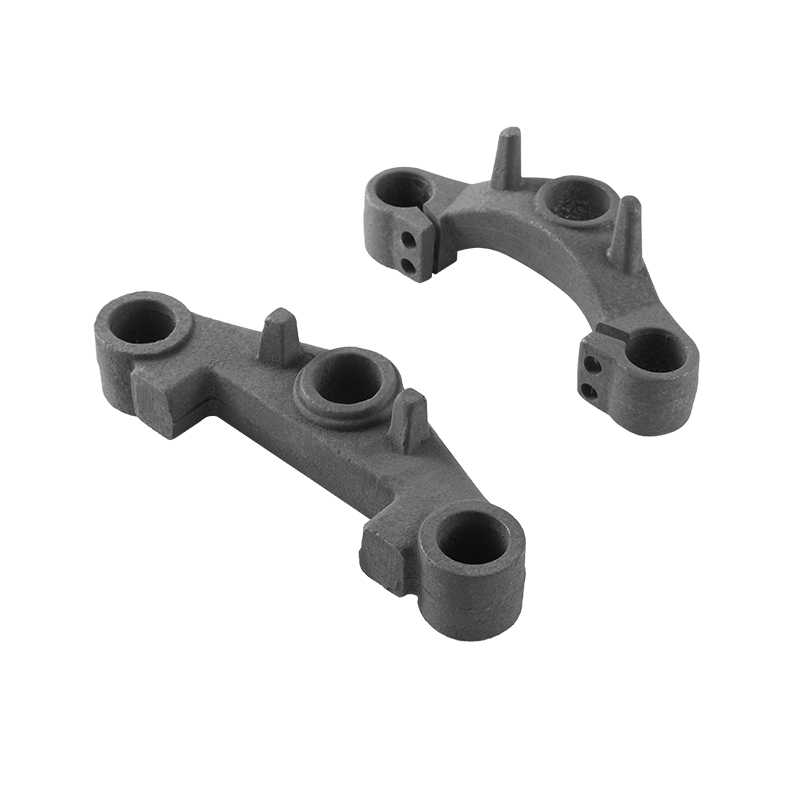
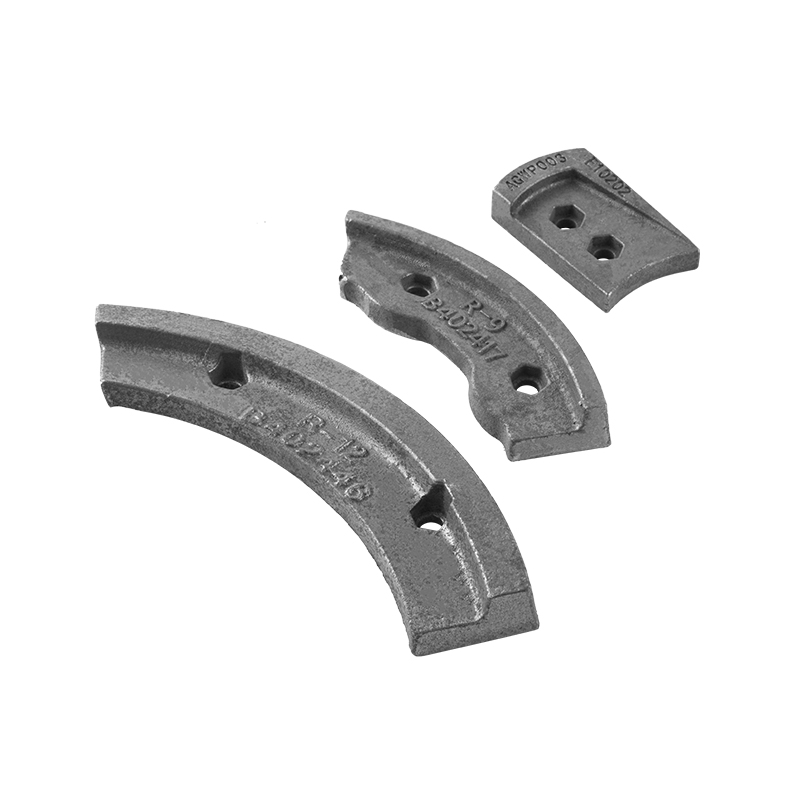
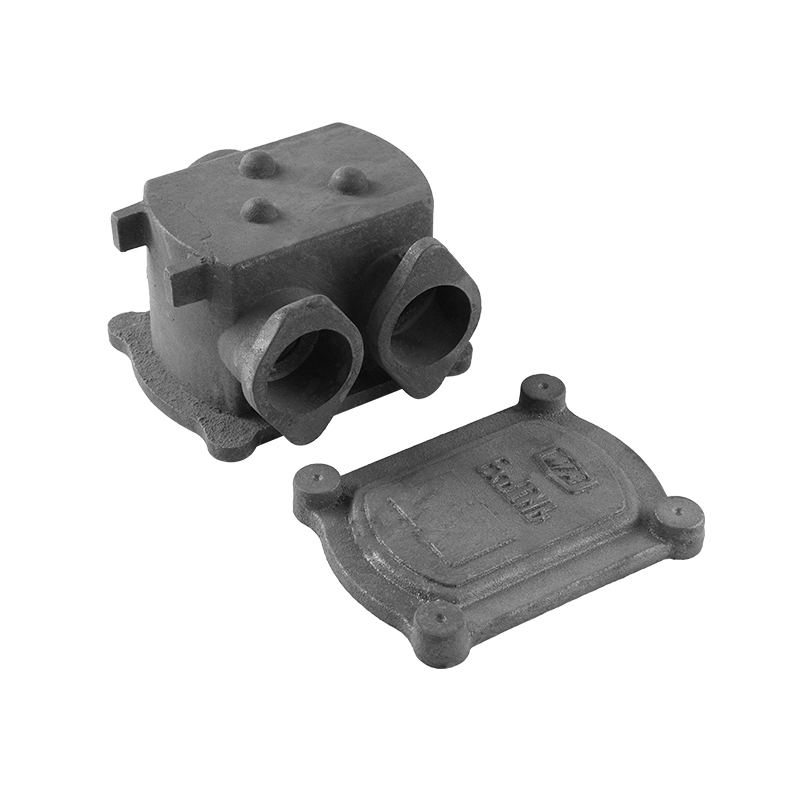
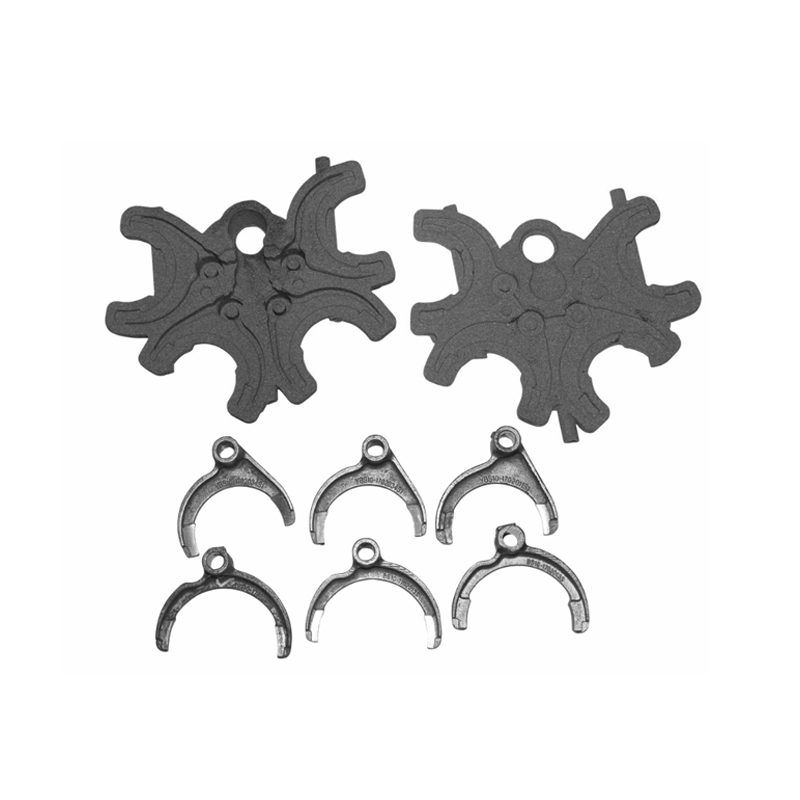
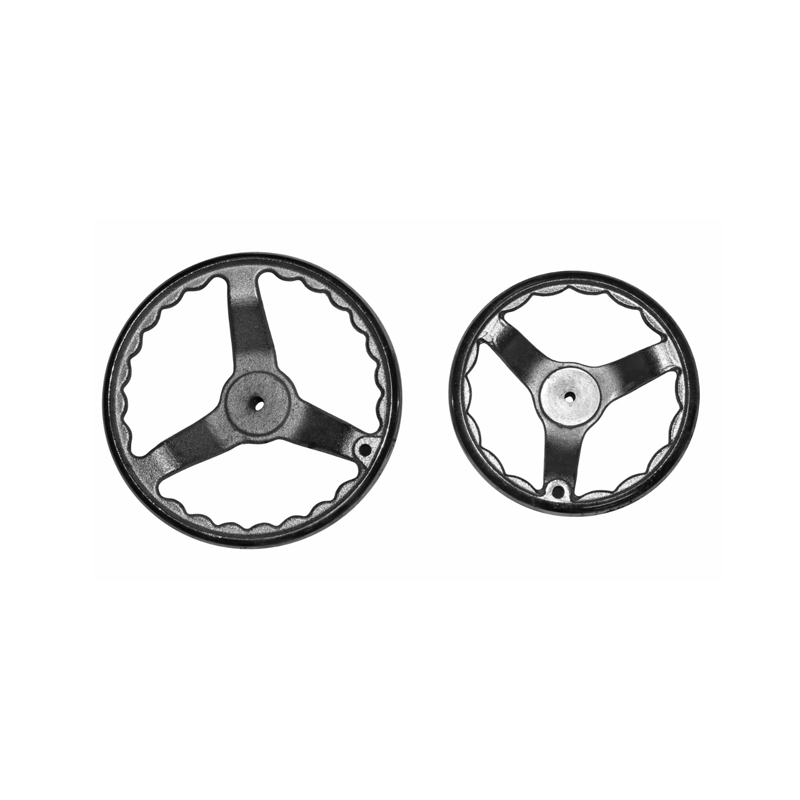
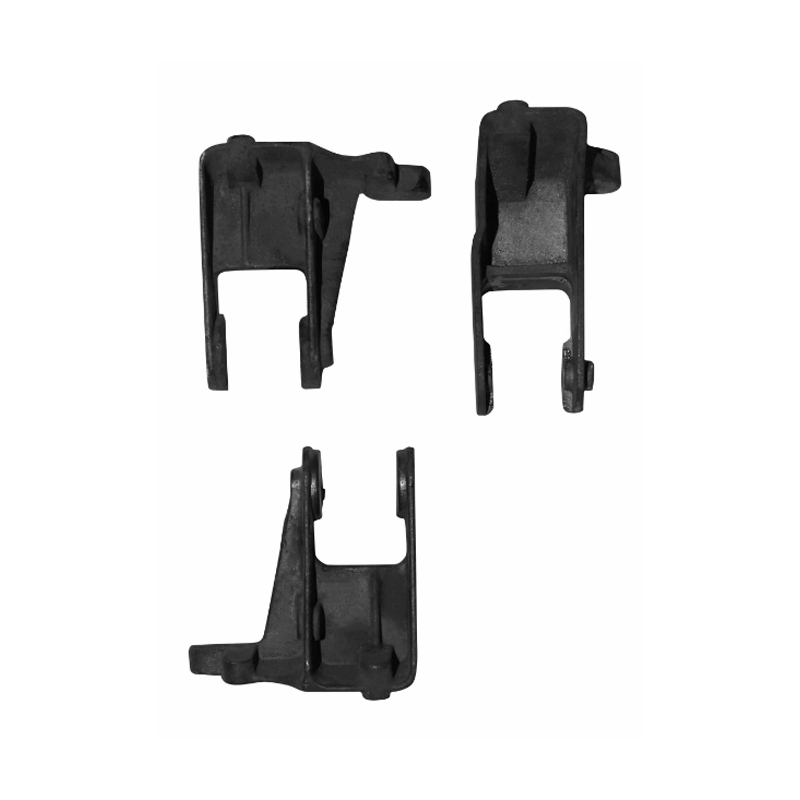
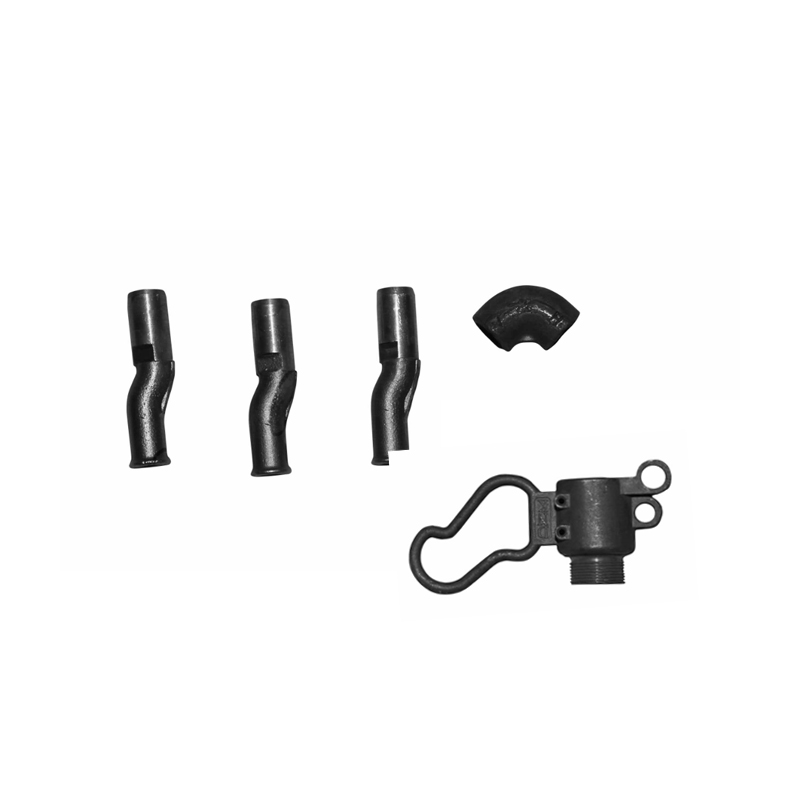
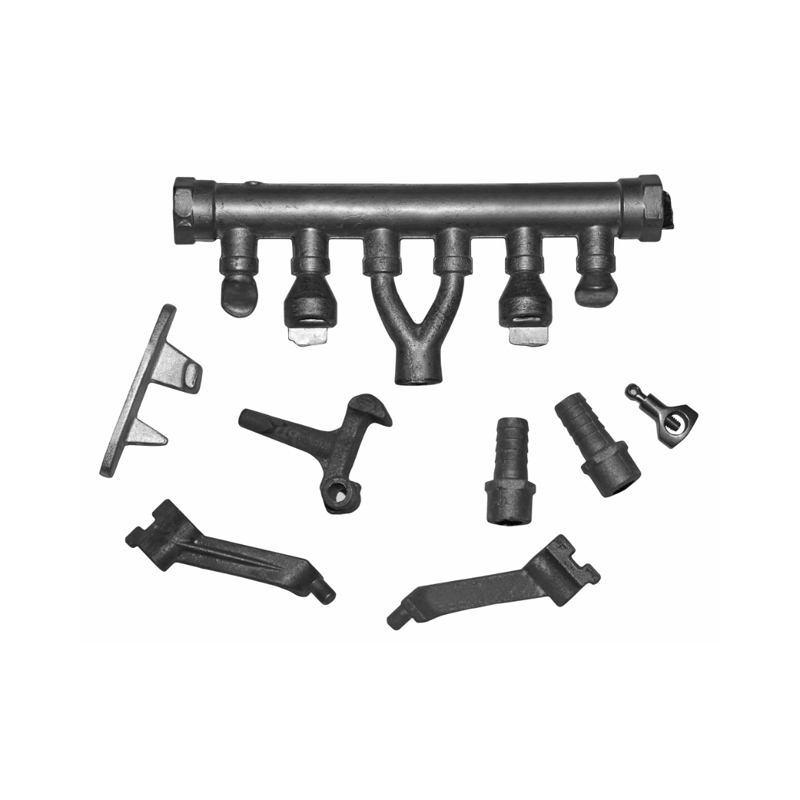
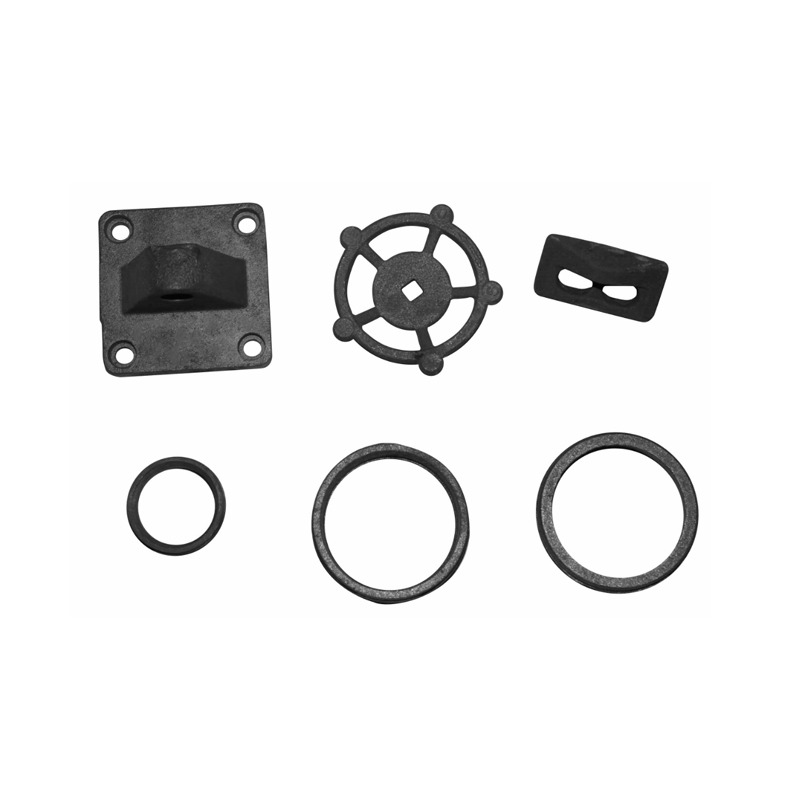
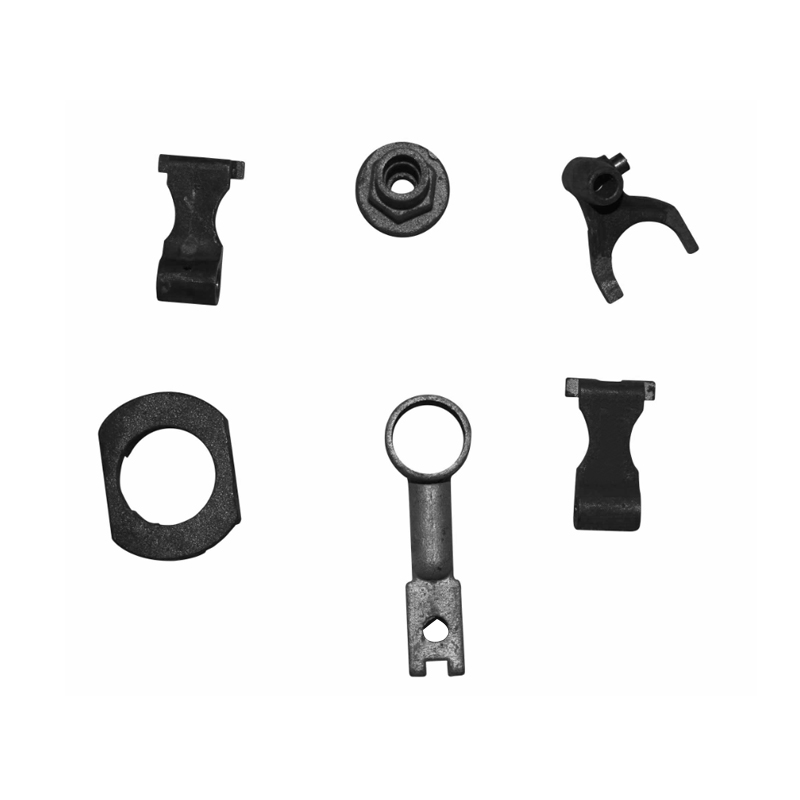
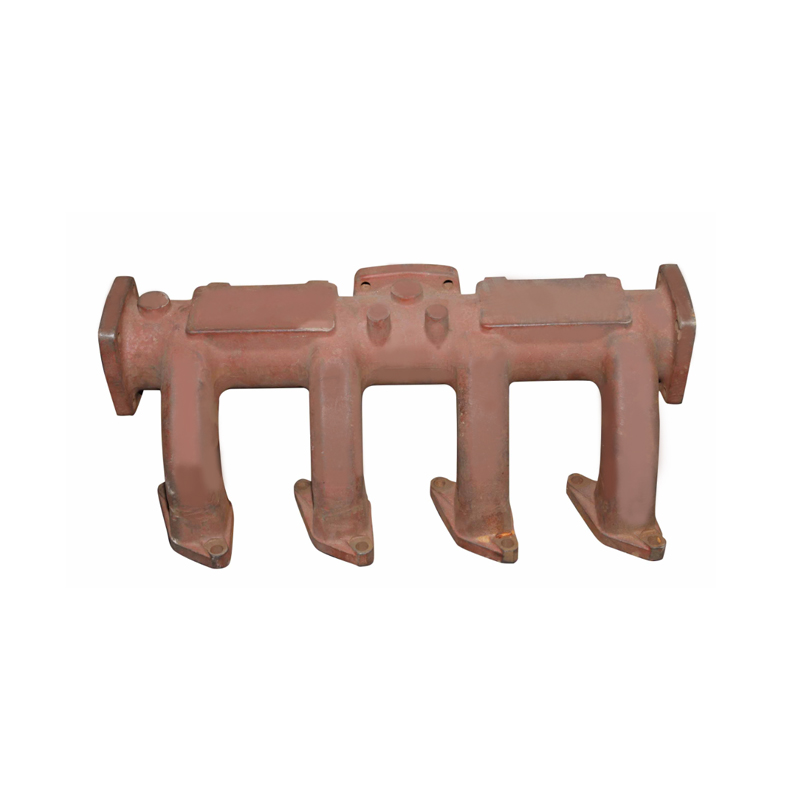
For this reason, many casting samples shown on supplier websites are best understood as examples of engineering capability rather than standard stock products.
Automotive casting parts still play a vital role in manufacturing because many components need to be developed around actual service conditions, not selected from standard designs. Some applications require lightweight aluminum alloy castings, while others depend on copper alloy castings or other custom automobile castings with specific structural and functional characteristics. The advantage of custom foundry work is that it allows the part to be matched more closely to the demands of the project, from material selection to performance expectations in use. That is also why many buyers prefer to work with experienced manufacturers such as Huazhu Supplier, Factory, where casting solutions are built around practical application needs.



