 En
En
 русский
 Español
 عربى
عربى Deutsch

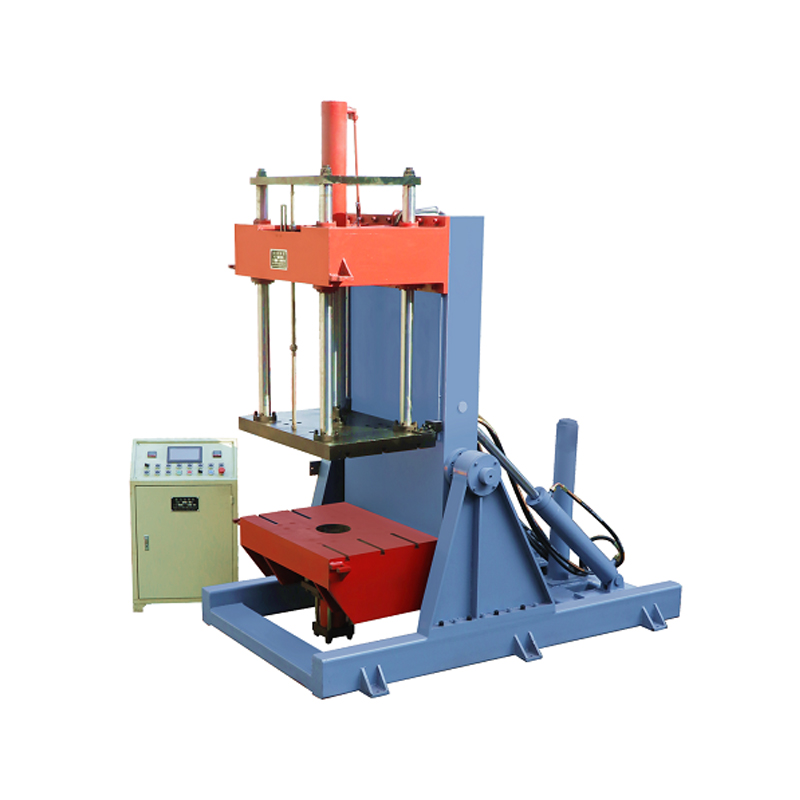
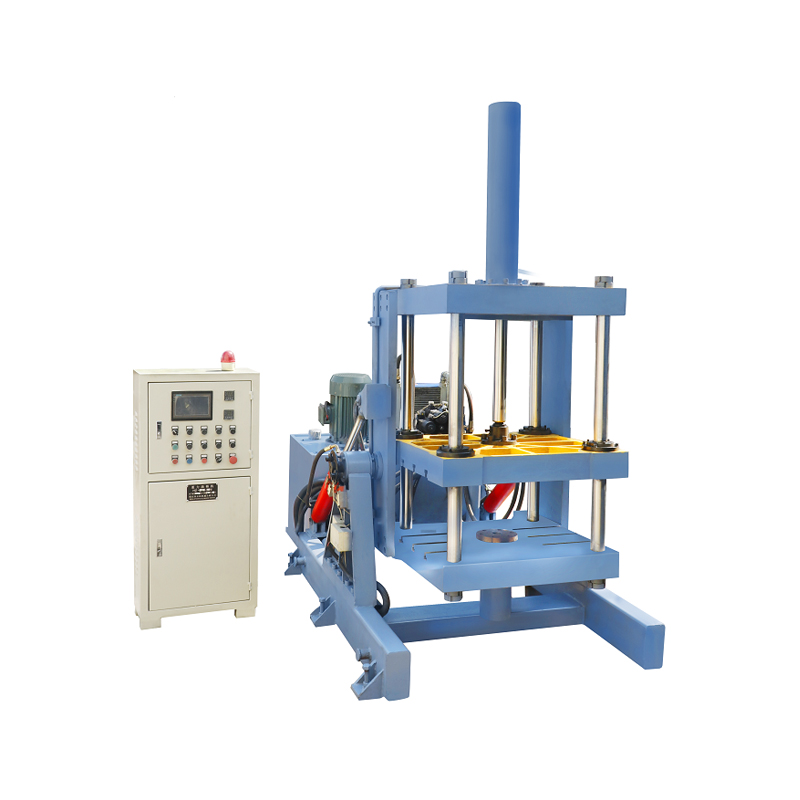
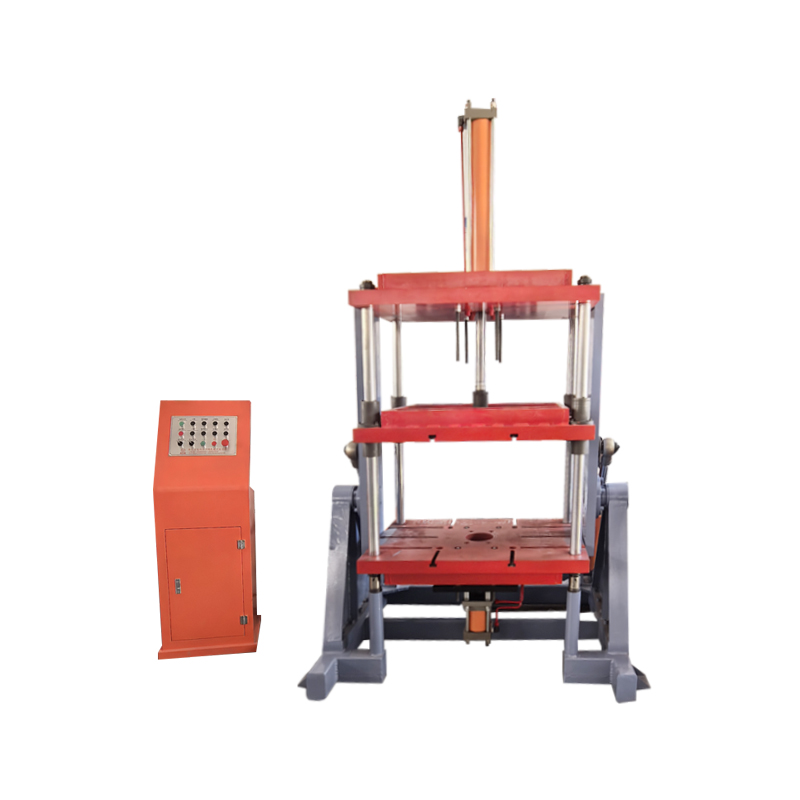
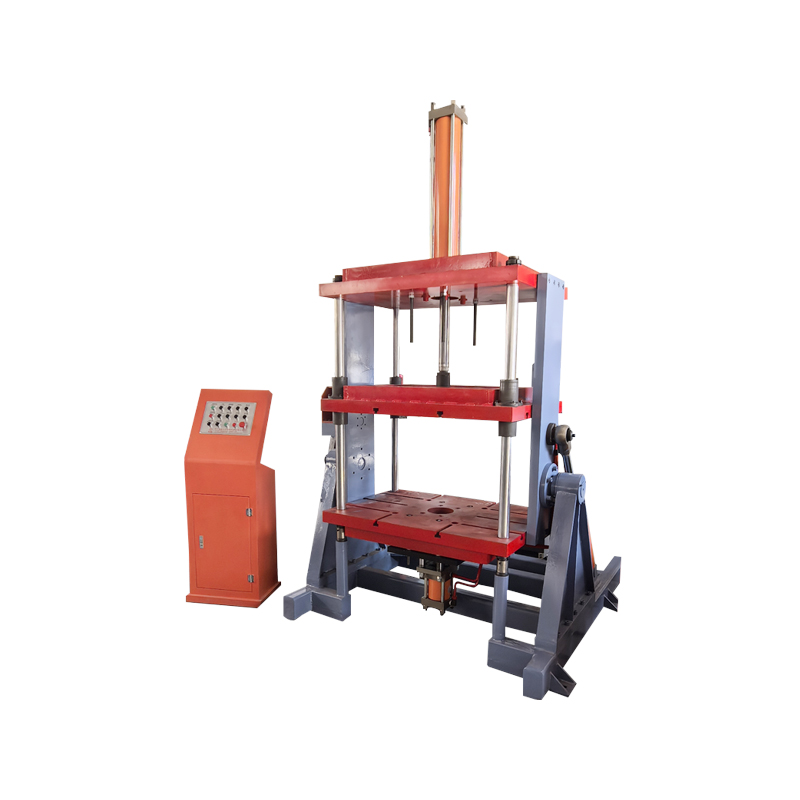


Why Gravity Casting Machines Still Play a Key Role in Modern Foundry Work
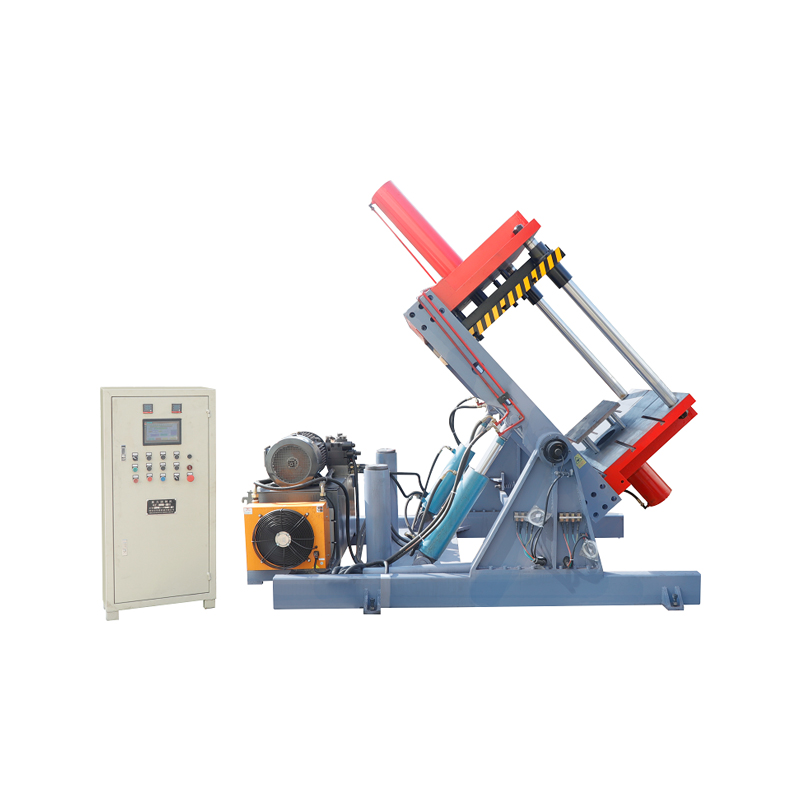
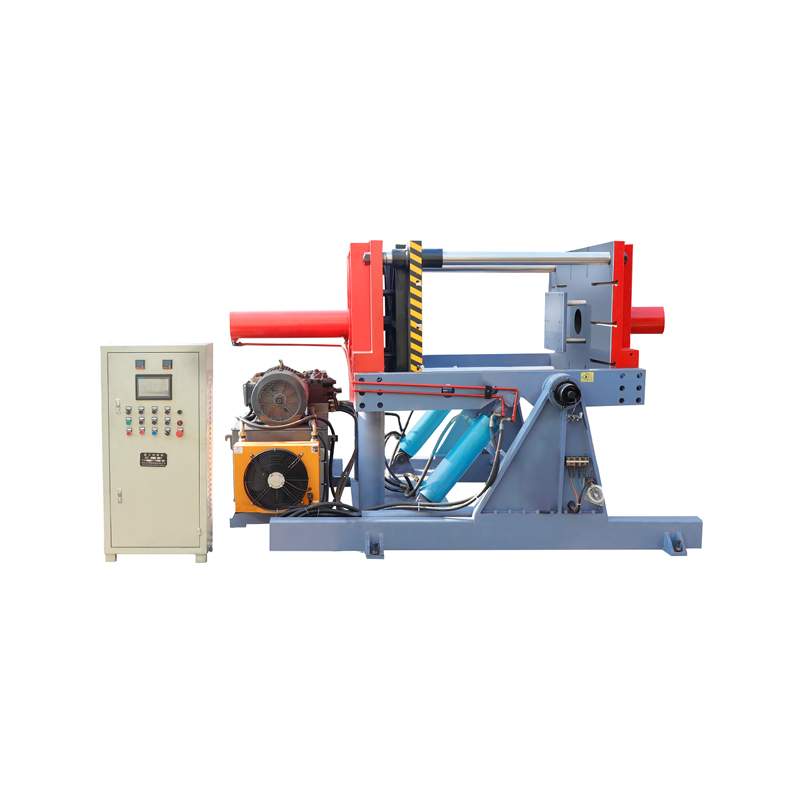
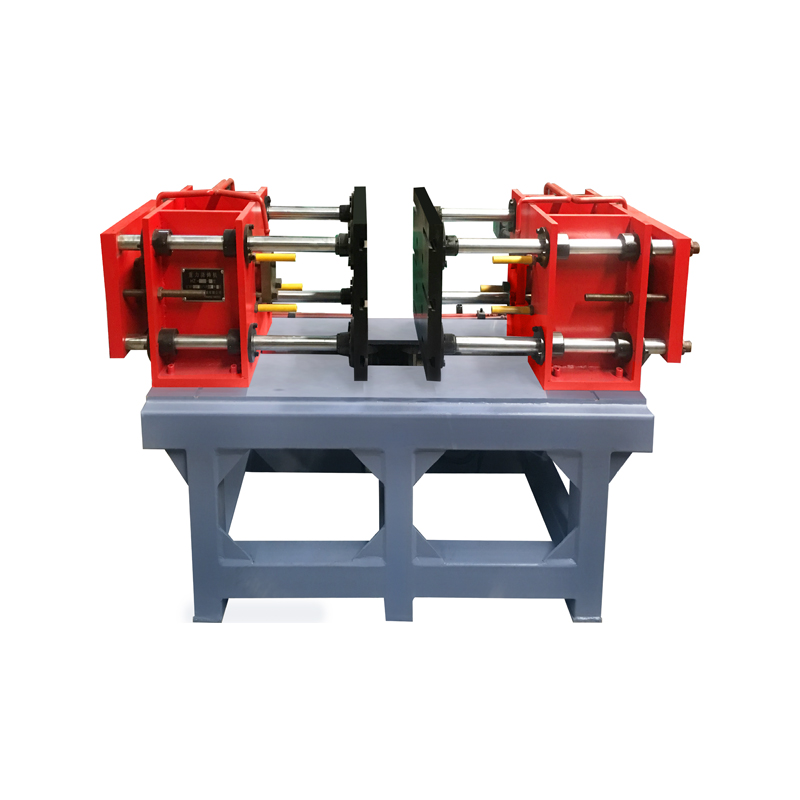
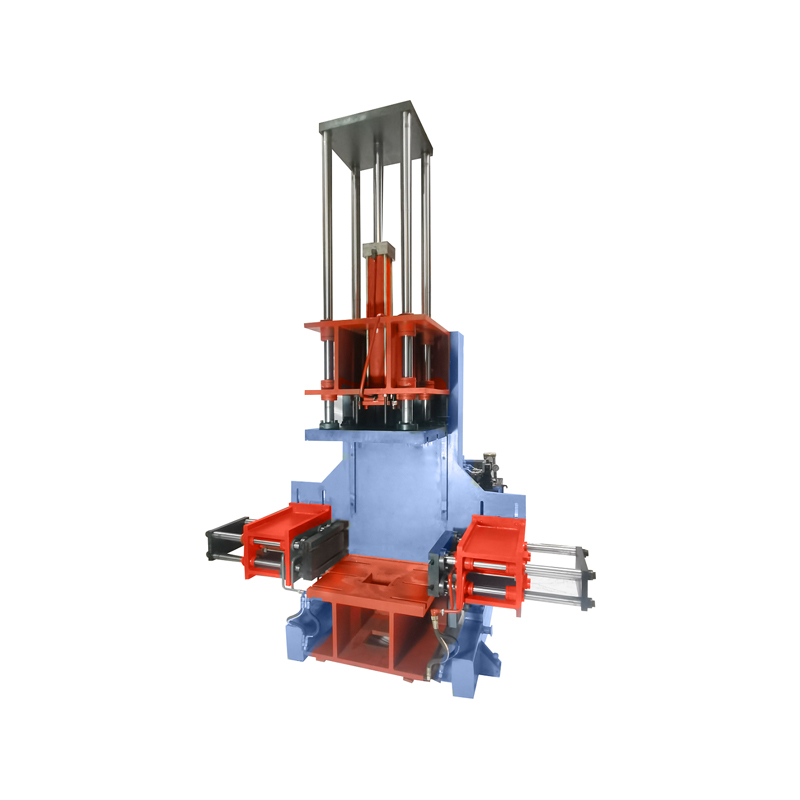
In modern metal casting, manufacturers are under constant pressure to balance part quality, production efficiency, tooling costs, and process reliability. A Gravity Casting Machine remains a widely used solution because it supports the production of metal components with consistent dimensions, solid internal quality, and a satisfactory surface finish. For businesses working with aluminum and other non-ferrous alloys, gravity casting continues to offer a practical and proven way to maintain stable output without adding unnecessary complexity to the production process.
Instead of pushing molten metal into the mold with high pressure, gravity casting depends on the natural downward flow of the melt during filling. In many applications, this allows the process to remain more stable and easier to manage, especially where casting quality and day-to-day production control matter more than achieving the highest possible speed. For that reason, gravity casting equipment continues to be widely used in industries that prioritize reliable results and long-term manufacturing value.
How Gravity Casting Helps Improve Casting Quality
In casting production, the way molten metal fills the mold has a direct effect on the final part. A Gravity Casting Machine supports quality by allowing the melt to enter the cavity in a more controlled and less aggressive way. In many cases, this can help manufacturers achieve better uniformity throughout the casting and improve control over both the internal structure and the outer surface of the finished part.
This approach is often chosen by manufacturers looking for:
- more consistent dimensions
- better surface appearance
- stronger structural stability in the casting
- lower risk of some filling-related defects
- repeatable results from batch to batch
For parts that must combine functional performance with a clean finished look, gravity casting remains a reliable and efficient manufacturing method.
Why Many Producers Continue to Rely on Gravity Casting
Even though casting technology has moved forward in many directions, more complex equipment is not always the most practical answer. In a lot of production shops, the Gravity Casting Machine still has a clear place because it brings together acceptable tooling cost, reliable casting quality, and day-to-day process stability. It is especially useful for medium-volume work, where keeping production consistent often matters more than pushing output to the limit.
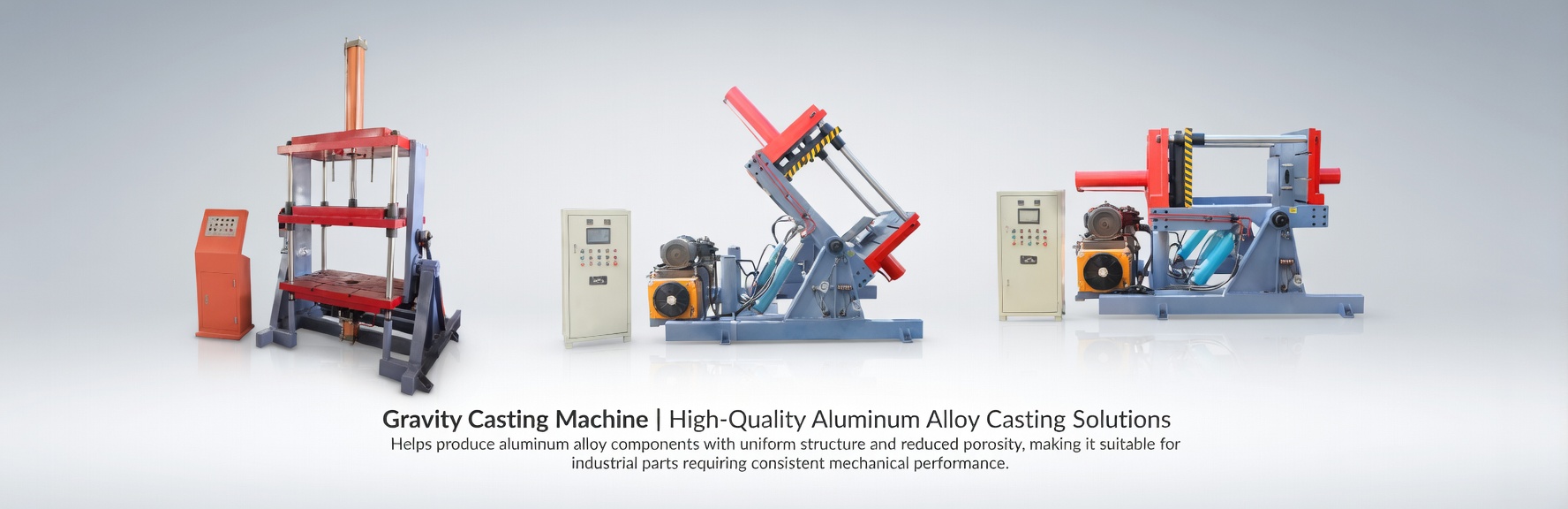
There are several straightforward reasons why this method is still widely used:
Smoother control of metal flow
Because the molten metal fills the mold under gravity instead of being driven in under heavy pressure, the process can be easier to stabilize and monitor during production.
A sensible cost-to-performance balance
For many manufacturers, gravity casting offers a dependable way to make quality parts without stepping into the higher cost and added complexity of more demanding systems.
Well matched to aluminum part production
The process is commonly used for aluminum castings in sectors where weight, strength, and finished appearance all need to be considered together.
Consistent results over repeated runs
When the mold design and machine settings are properly aligned, gravity casting can support steady output and reliable part-to-part consistency over time.
That combination of practicality and dependable performance is a big reason gravity casting still holds value in both conventional foundries and newer manufacturing operations.
Typical Uses of Gravity Casting Machines
A Gravity Casting Machine is used in many industries where cast aluminum or other non-ferrous alloy parts need to meet practical performance standards while keeping production cost under control. The process works well for components that require both functional reliability and repeatable quality.
Common application areas include:
- automotive parts
- motorcycle components
- pump and valve castings
- electrical enclosures
- machinery parts
- cookware and hardware items
- custom castings in non-ferrous alloys
Its combination of flexibility and process reliability makes gravity casting suitable for both standard product lines and specialized component production.
Gravity Casting and Overall Production Efficiency
In real manufacturing environments, efficiency is not judged by output alone. It is also shaped by how consistently the process runs, how well scrap is kept under control, how labor is assigned, and whether product quality can stay uniform from one cycle to the next. A Gravity Casting Machine supports this broader view of efficiency by making production easier to stabilize and less reliant on aggressive process settings.
When the process is optimized, manufacturers may benefit from:
- lower reject rates
- less rework and post-processing
- more stable cycle planning
- improved use of labor and tooling resources
- better consistency across production lots
For many manufacturers, these operating advantages are more valuable than simply pushing for maximum speed.
What to Consider When Choosing a Gravity Casting Machine
When comparing casting equipment, the fastest machine on paper is not always the most suitable choice. In real production, the more important issue is whether the equipment can hold stable quality under everyday operating conditions. A Gravity Casting Machine is usually selected by looking at the casting alloy, mold structure, part geometry, cycle stability, maintenance workload, and the quality level expected from the finished components.
Important points to review include:
Fit with the casting alloy
The machine needs to work well with the materials used in production and with the performance requirements of the final casting.
Surface quality and dimensional control
Some parts require better surface results, stronger internal soundness, or closer dimensional consistency than others.
Required production volume
The equipment should suit the planned output and the normal production pace of the facility.
Long-term operating reliability
A machine that runs steadily over time often creates more practical value than one selected mainly for peak speed.
Looking at the full production picture usually leads to better equipment decisions and more reliable long-term returns.
A Gravity Casting Machine is still relevant today for a simple reason: many manufacturers are not only looking for advanced technology, but for a process that can deliver stable casting quality, reasonable operating cost, and repeatable production performance over time. In a wide range of industries, that balance often matters more than choosing the newest or most complicated casting solution. For aluminum casting and other non-ferrous alloy applications, gravity casting remains a dependable option, which is one reason equipment from companies such as Ruian Huazhu Machinery Co., Ltd. continues to attract attention in practical production settings.
The process has remained valuable because it still works well in real factories. It is not just a legacy method that has stayed around out of habit. Manufacturers continue to use gravity casting because it offers the kind of consistency, control, and production stability that everyday manufacturing still demands.



