 En
En
 русский
 Español
 عربى
عربى Deutsch

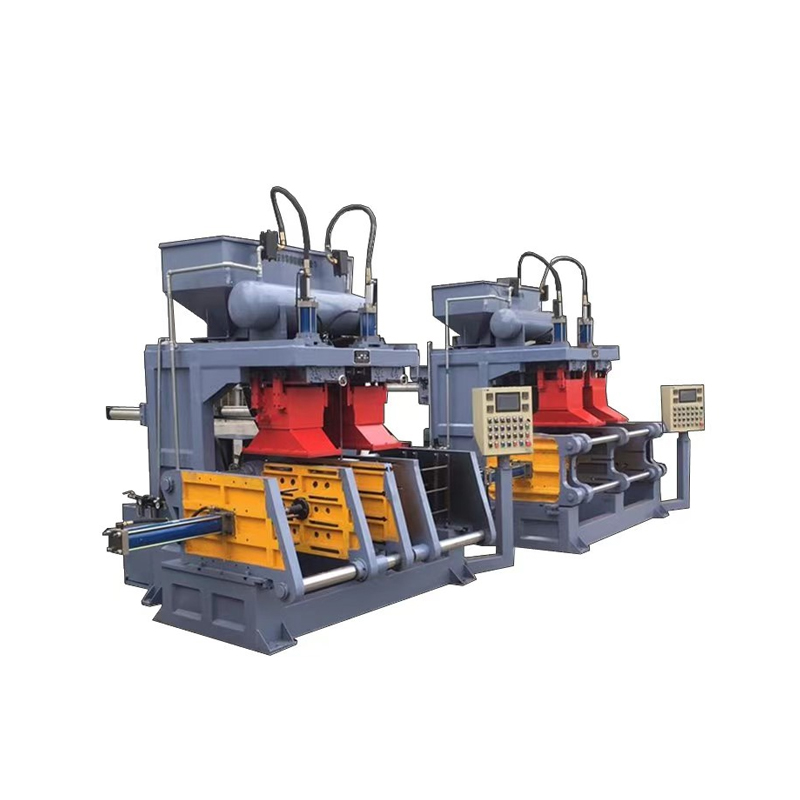
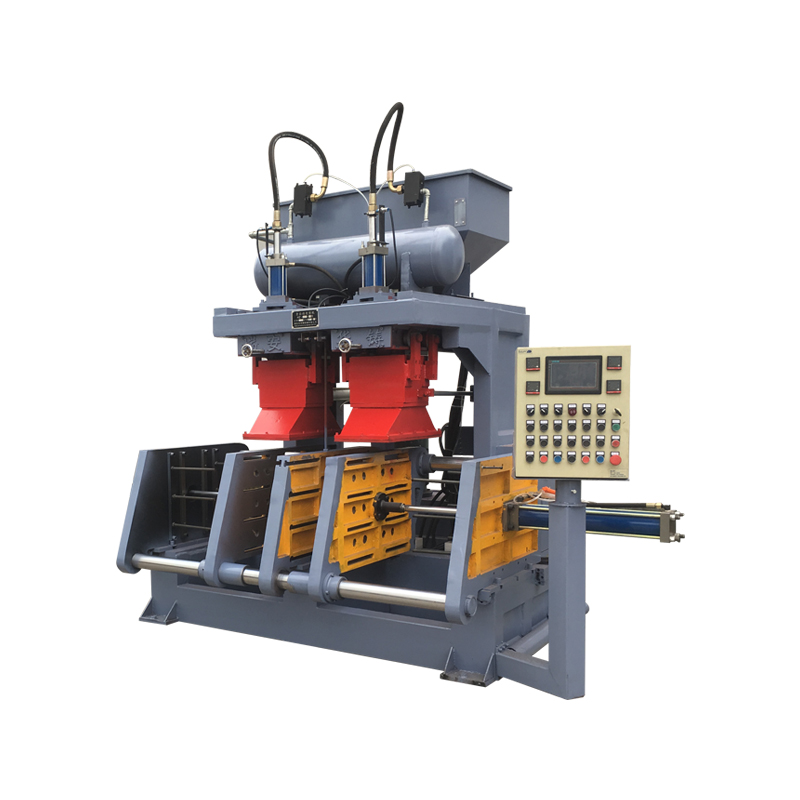
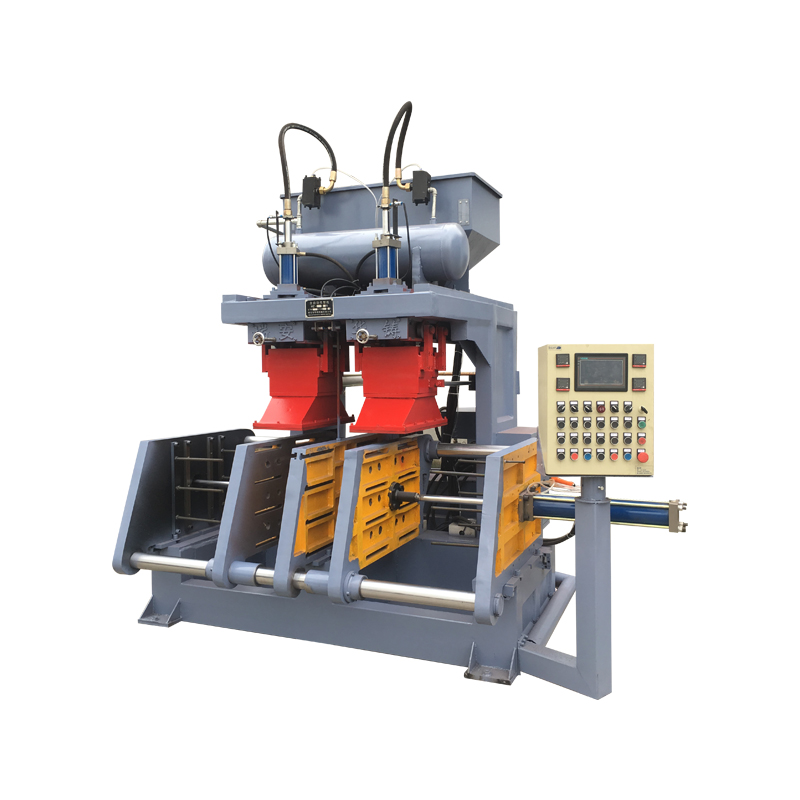
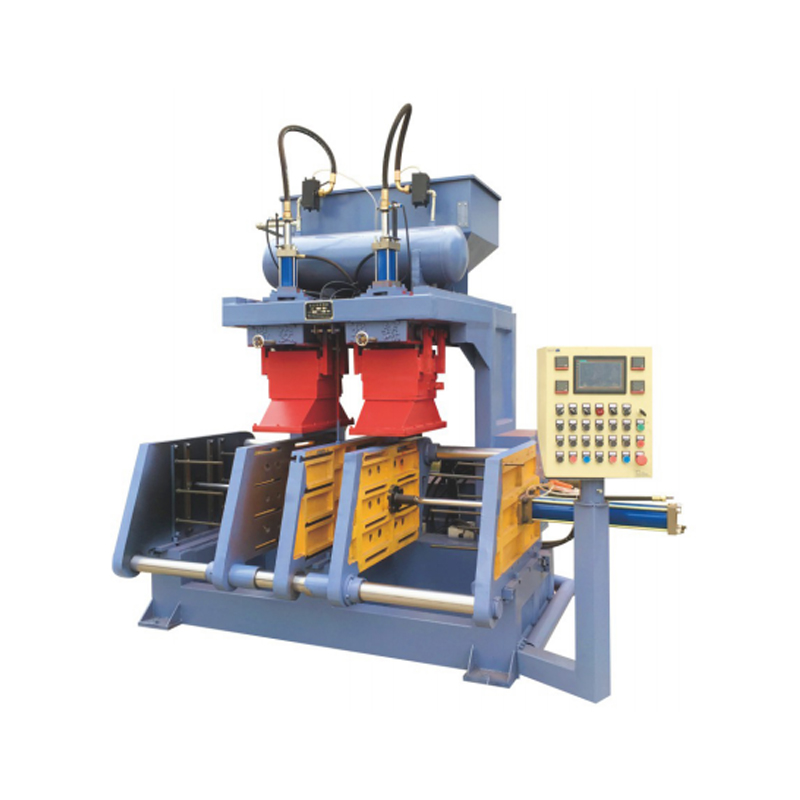
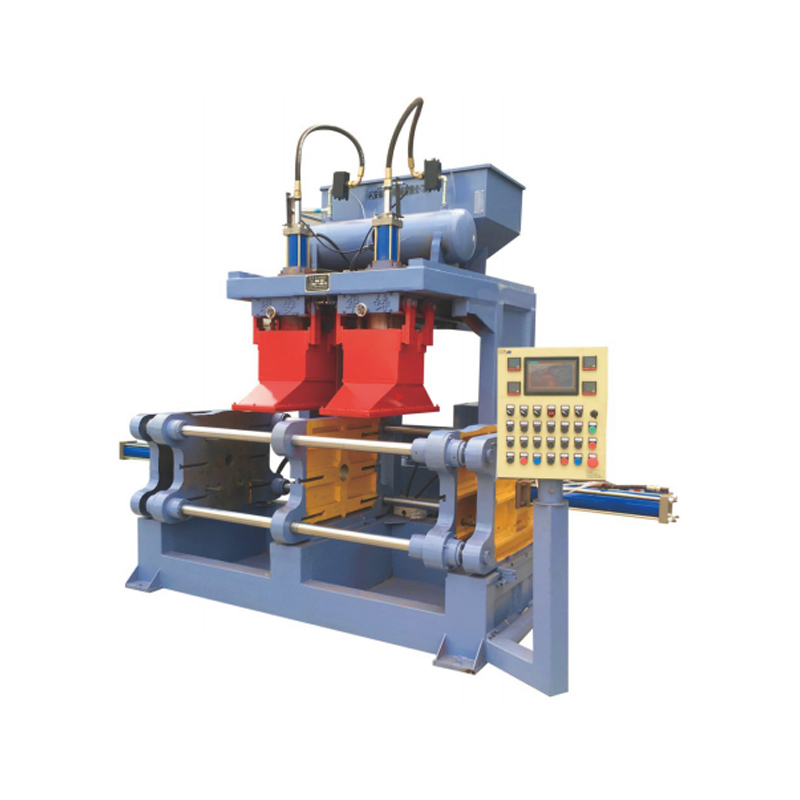
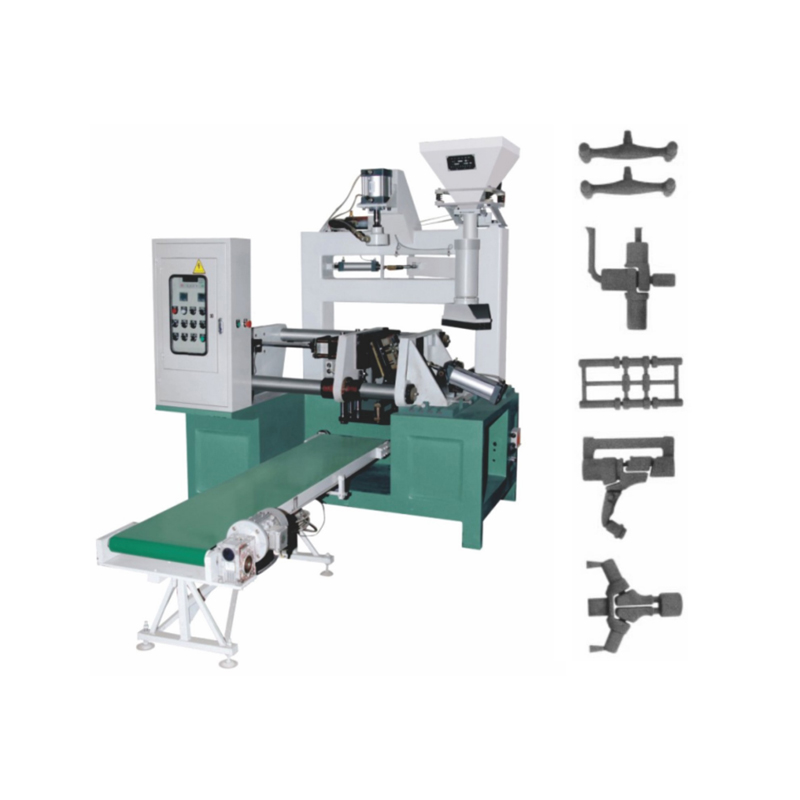


Vertical Parting Core Shooting Machine and Its Role in Stable Foundry Production
In foundry manufacturing, core making influences much more than one isolated stage of production. The quality of the sand core can affect casting accuracy, internal passage formation, finishing workload, and the overall rhythm of production. This is why the Vertical Parting Core Shooting Machine remains important in many modern foundries. Its function is not limited to shaping cores. It also supports process consistency and helps create more stable conditions across the wider casting operation.
Why Core Making Deserves More Attention
In many casting processes, the core determines the internal form of the final part. If the core varies in shape, density, or dimensional stability, those differences may appear later as casting defects, poor fit, extra finishing work, or inconsistent product quality. Because of this, core making should not be treated as a minor step.
A vertical parting core shooting machine helps improve control at this stage by supporting:
- more uniform sand core production
- better repeatability between cycles
- improved internal casting accuracy
- fewer disruptions during routine operation
- steadier production conditions over time
In practical foundry work, these advantages can make a meaningful difference to both quality and efficiency.
How It Supports Casting Performance
Cast parts with internal openings, flow paths, or enclosed features depend strongly on how accurately the core is made. If the core quality is uneven, the casting may need additional adjustment later or may not achieve the intended dimensional standard. A Vertical Parting Core Shooting Machine helps improve this situation by keeping core production more consistent and easier to control.
Improved dimensional consistency
When core quality stays more uniform from one cycle to the next, the internal form of the casting is easier to keep within the required range.
Better finishing control
More consistent cores can help reduce defects or irregular areas that would otherwise increase cleaning, trimming, or post-casting correction.
Smoother downstream processes
Reliable core production supports a steadier flow through mold setup, pouring preparation, and the following production stages.
That is why, in many foundry environments, reliable machine performance is often seen as more useful than occasional high-output operation.
Why Stable Operation Matters in Daily Use
In day-to-day foundry work, consistent performance over time is often more important than a machine’s top speed in a brief trial. A unit may run fast under limited conditions, but if it requires frequent correction or delivers uneven results, the overall production process becomes more difficult to keep on track. The real strength of a vertical parting core shooting machine is often reflected in how dependably it runs across repeated cycles and extended production periods.
That dependability can help with:
- maintaining more consistent core quality
- reducing avoidable downtime
- keeping production batches more uniform
- supporting steadier scheduling
- making regular shop-floor work easier to handle
Over the long term, stable machine operation can help create a more efficient and better-controlled foundry production environment.
Where It Is Commonly Applied
The Vertical Parting Core Shooting Machine is widely used in foundry applications that require accurate and repeatable core production. It is commonly associated with cast components that include complex internal structures or detailed hollow sections.
Typical application areas include:
- automotive castings
- pump and valve components
- pipe fittings
- machinery parts
- industrial casting products
- customized metal casting work
Its usefulness becomes especially clear where internal dimensional control and stable production quality are both important.
What Matters in Equipment Selection
When evaluating this type of equipment, output capacity is only one part of the picture. In long-term operation, the more important question is how consistently the machine performs under daily production conditions. A suitable vertical parting core shooting machine should support stable core quality, practical operation, and dependable production continuity.
Attention is often given to:
Core consistency
The machine should help maintain uniform sand core quality across repeated runs.
Process stability
Reliable operation reduces interruptions and helps keep production under control.
Adaptability in production
The equipment should fit real foundry requirements, including different core types or changing workloads.
Ease of maintenance
Practical maintenance helps reduce downtime and supports continuous use.
These factors often have a greater effect on actual production value than speed alone.
A Practical Part of Modern Foundry Manufacturing
A Vertical Parting Core Shooting Machine continues to be relevant because it supports the broader needs of modern foundry production. It helps connect core making with casting quality, production consistency, and operational efficiency. When core output is stable, the benefits are often reflected not only in the core room, but also in mold assembly, casting performance, finishing quality, and production planning.
Rather than being viewed as a single-purpose machine, it is better understood as part of a more reliable and controlled manufacturing process.
A Vertical Parting Core Shooting Machine is more than equipment for forming sand cores. It helps improve production stability, supports casting accuracy, and contributes to smoother foundry workflow over time. For modern foundry operations where consistency matters every day, this type of machine remains a practical and effective part of the manufacturing process.



