 En
En
 русский
 Español
 عربى
عربى Deutsch

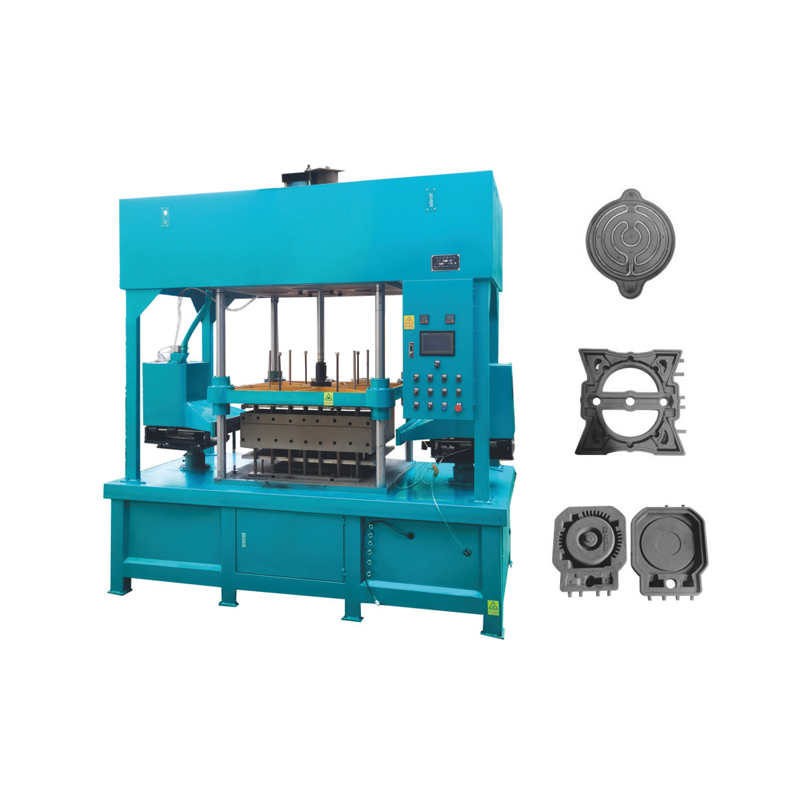
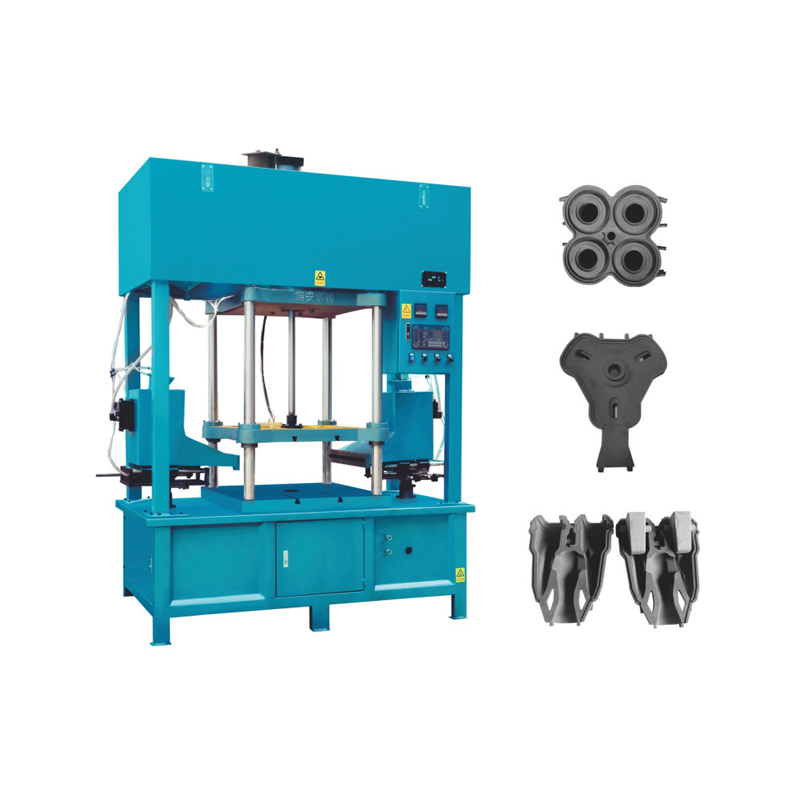
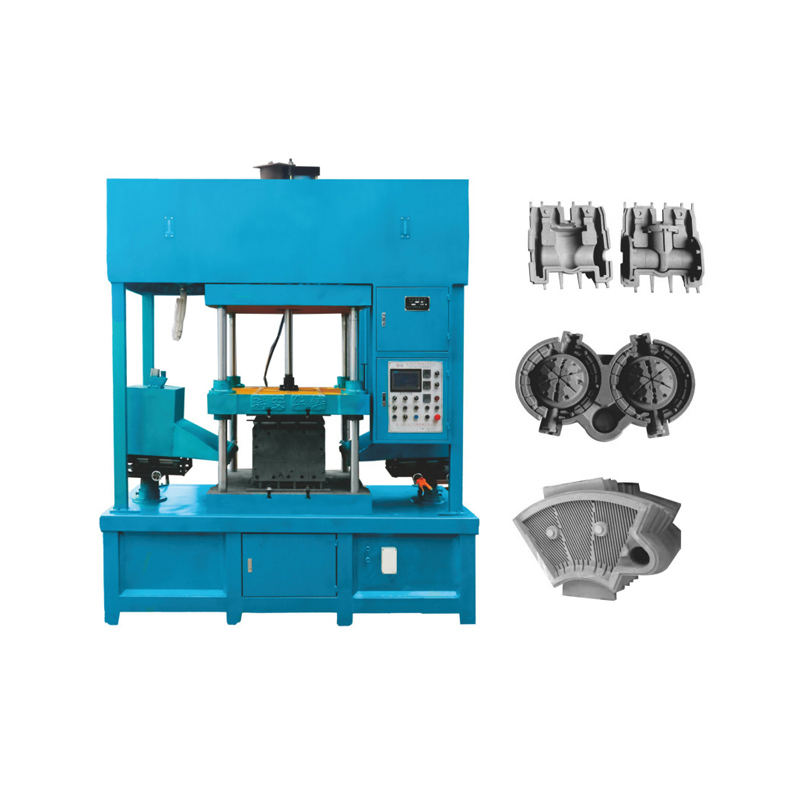
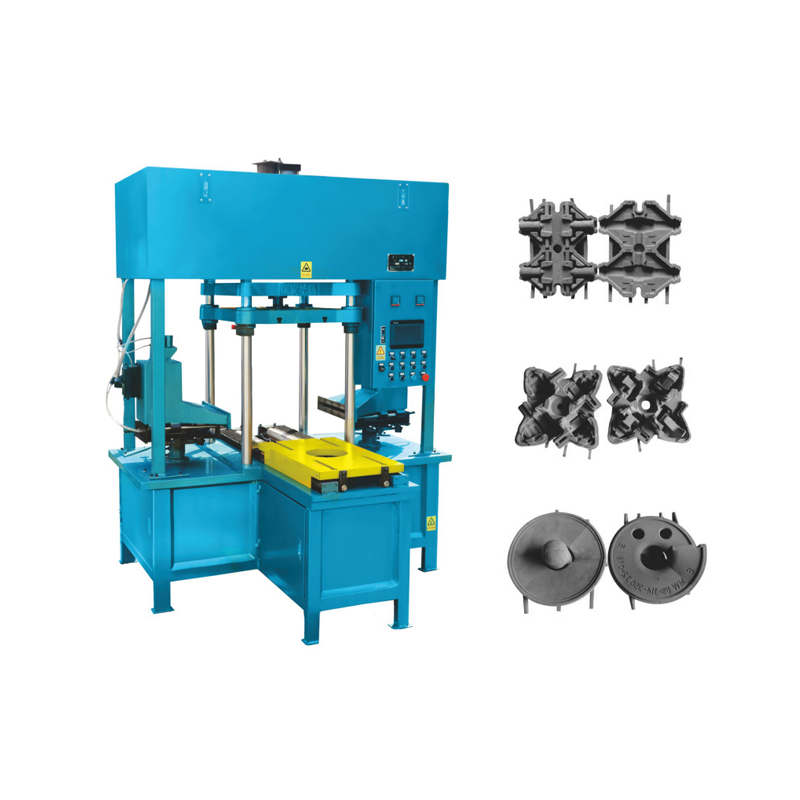
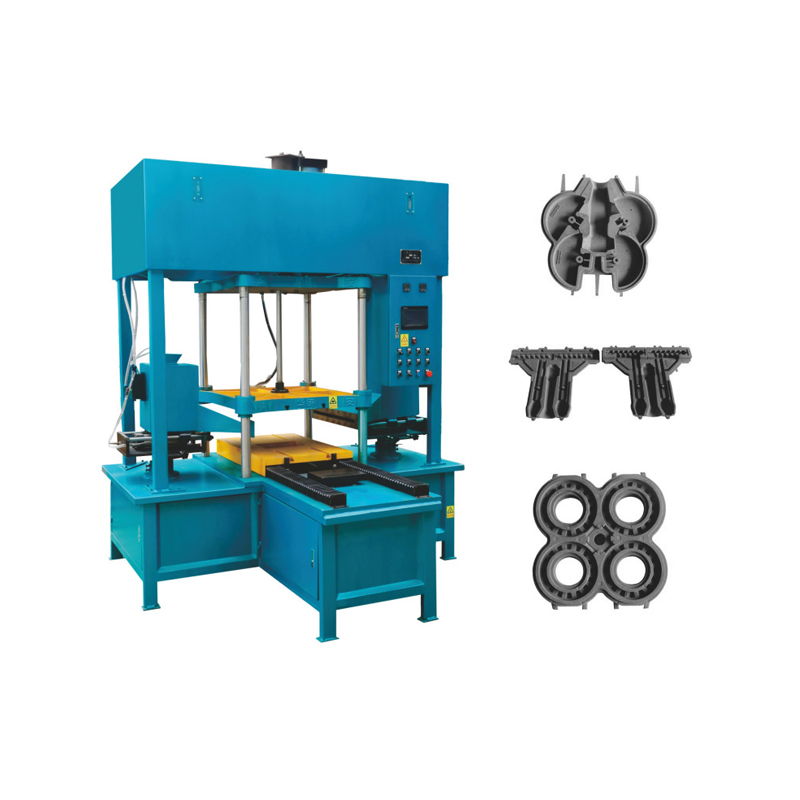
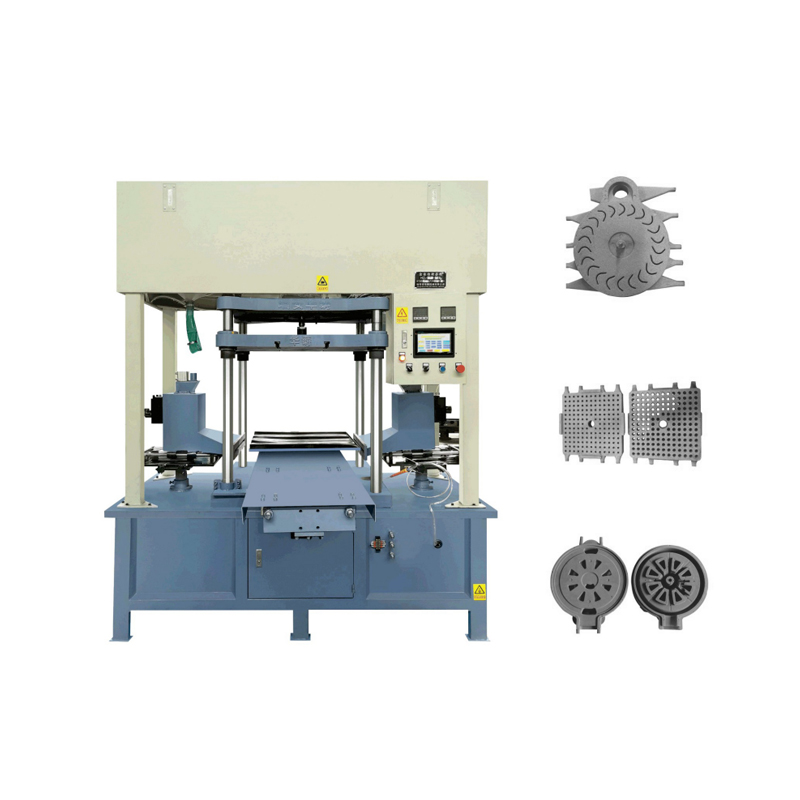
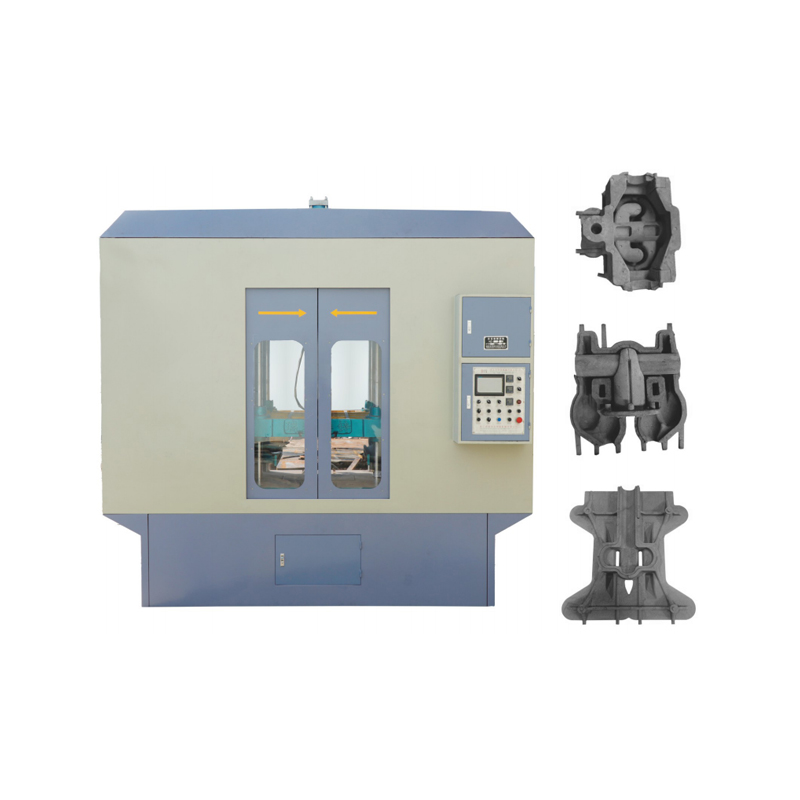
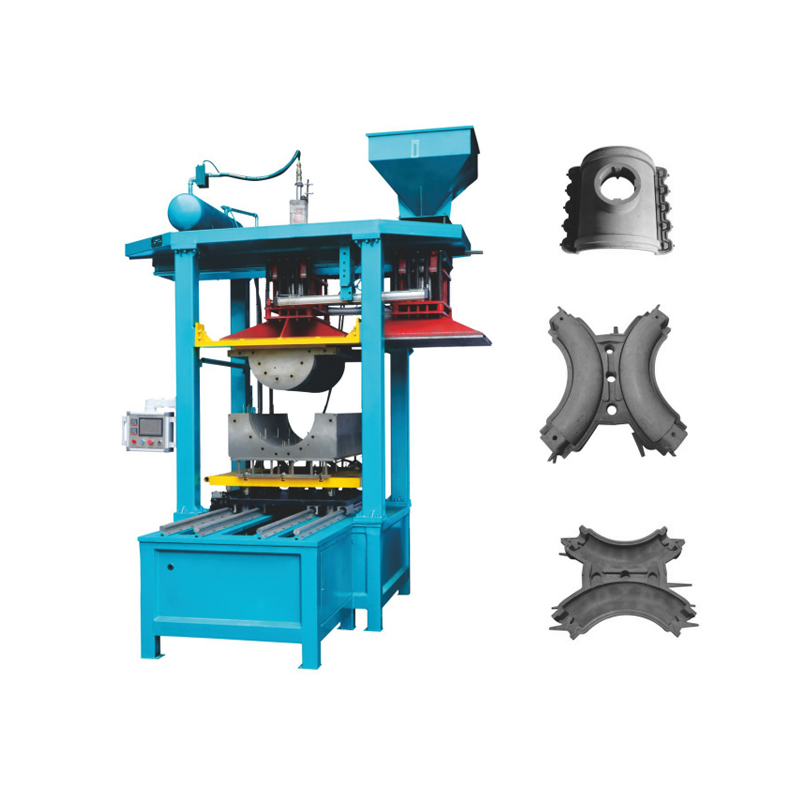


How Horizontal Parting Core Shooting Machines Help Improve Casting Quality
In foundry production, casting quality is closely tied to the condition of the sand core. A well-formed core supports accurate internal geometry, smoother mold assembly, and more stable results throughout the casting process. When cores vary in shape, density, or strength, those differences can affect much more than the core-making stage alone. They may influence pouring performance, finishing work, and the consistency of the final part. This is why the horizontal parting core shooting machine remains an important part of modern core production where repeatability and process control matter.
Why Sand Core Consistency Matters
In many castings, the sand core is responsible for creating internal passages and hollow sections that the external mold cannot produce on its own. When a core is inconsistent in shape or lacks sufficient stability, the effect may appear later as fitting problems, dimensional inaccuracy, or additional finishing work on the completed casting.
Consistent core production can help:
- improve the accuracy of internal casting features
- support smoother and more reliable mold assembly
- reduce differences from one finished part to another
- lower the chance of defects caused by unstable core quality
- make later production stages easier to organize and control
For this reason, core making is widely regarded as an important part of casting quality control, not merely a basic preparation step.
The Role of a Core Shooter in Daily Production
A core shooter is used to shape sand cores through a controlled forming process that supports repeatable output over time. In practical foundry work, the value of the machine is often measured by how reliably it performs under continuous use, not simply by short-term output figures.
Reliable equipment can support:
- smoother day-to-day core production
- more predictable forming results
- reduced fluctuation between operating cycles
- better process control in repeated runs
- steadier production conditions over time
This makes the machine an important part of maintaining production rhythm in demanding casting environments.
Why Horizontal Parting Design Is Widely Used
In many foundry operations, a horizontal parting core shooting machine is favored where stable production and easier workflow management are important. Its design is well suited to routine operating conditions and can help support smoother handling, dependable performance, and more repeatable results over time.
This type of machine is often chosen for:
- steady operation in day-to-day production
- adaptability to different core making needs
- practical mold handling in regular use
- more uniform results across repeated runs
- better alignment with organized production processes
In practice, the main benefit often comes from long-term production stability rather than from a single capacity figure.
Production Stability Often Brings More Value Than Peak Speed
Speed often gets attention first when foundry equipment is being compared, but stable day-to-day performance usually has a bigger effect on actual production results. A machine may run quickly on paper, yet if it produces inconsistent cores or needs frequent adjustment, it can create added pressure throughout the rest of the workflow.
Stable performance can help:
- hold core quality at a more consistent level
- reduce unexpected stops during longer runs
- improve repeatability from batch to batch
- support more predictable production schedules
- make regular operations easier to oversee
For that reason, many foundries place greater value on steady operating performance than on occasional high-capacity output.
Supporting Better Results Across the Casting Process
The benefits of a reliable core shooter often extend well beyond the core-making area. When sand cores are produced with greater consistency, the casting process tends to become easier to control, which can help with cleaner finishing, tighter dimensional accuracy, and more dependable production scheduling.
When a horizontal parting core shooting machine operates with consistent reliability, it strengthens the overall production sequence and helps support both casting performance and shop-floor efficiency.
A core shooter plays a broader role than simply producing sand cores. In many foundry settings, a horizontal parting core shooting machine helps maintain more consistent core quality, supports better casting accuracy, and contributes to a steadier production rhythm over extended operation. For manufacturers that place importance on dependable core output and a more efficient workflow, this equipment continues to be a practical choice in modern foundry production.



