 En
En
 русский
 Español
 عربى
عربى Deutsch
What Causes Defects During Sand Core Shooting Machine Operation
Industry News-A foundry technician pulling a core out of the box and noticing a hairline crack running along an edge that looked perfectly fine on the last batch knows exactly how frustrating intermittent defects can be. Sand cores play a genuinely important role in many casting processes. They help create internal spaces, openings, and shapes that can't get formed by the outer mold alone, filling a gap the rest of the tooling simply can't reach.
When a core comes out of the production process with cracks, weak areas, uneven surfaces, or incomplete sections, the problem can affect later casting work down the line. Finding the cause isn't always simple, either. The defect may come from the core sand, the mold, the shooting process, equipment setup, or maintenance conditions, and these factors often overlap in ways that muddy the picture.
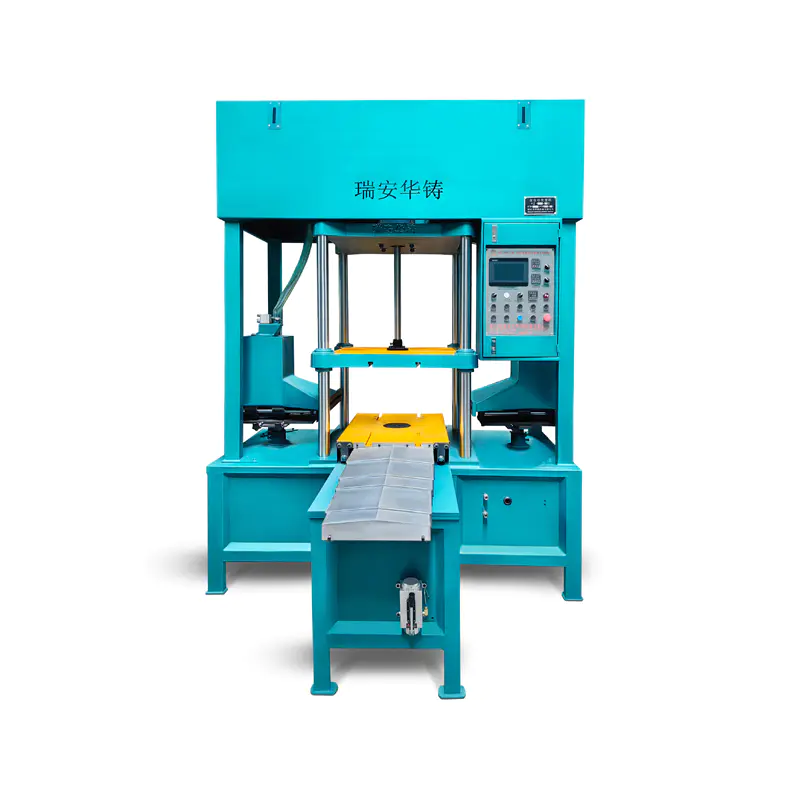
A Sand Core Shooting Machine is designed to place prepared core sand into a core box and form the required shape reliably, cycle after cycle. Its operation involves several connected steps working in sequence. A small change in one area can influence the finished core more than anyone might expect going in.
Understanding these relationships helps operators approach defects a lot more systematically, instead of treating every problem as an equipment failure that needs a mechanic.
Why Sand Core Defects Appear During Production
Core defects can have genuinely different appearances depending on where they originate in the process.
Some are easy to notice right away, visible the moment the core comes out of the box. Others become visible only after the core gets removed and handled during the next production stage, sometimes hours later.
Common defect conditions may include several distinct patterns.
| Defect Condition | Possible Area to Inspect |
|---|---|
| Cracks | Core strength, removal, sand condition |
| Broken edges | Core box condition, handling, release |
| Incomplete filling | Sand flow, shooting process, vents |
| Uneven surface | Sand preparation, box condition |
| Weak sections | Sand mixture, compaction, curing |
| Deformation | Removal method, support, handling |
| Surface damage | Core box, release, cleaning |
A single symptom can have several possible causes tangled together, which is part of what makes troubleshooting genuinely tricky.
For example, an incomplete core may appear to be a problem with the shooting process at first glance. Yet the real issue could involve blocked vents, unsuitable sand condition, or a problem with the core box that has nothing to do with the shooting cycle itself.
This is why defect investigation should consider the entire production process from start to finish, rather than jumping to the most obvious suspect.
The goal is identifying exactly where the core begins to deviate from the intended shape, tracing the problem back to its origin.
How Core Sand Condition Affects Core Quality
Core sand is one of the most genuinely important factors in the whole process, more foundational than people sometimes give it credit for.
Its condition affects how easily it moves into the core box and how well it forms the required shape once it's there. If the sand condition changes even slightly, the finished core can also change in ways that trace directly back to that shift.
Important areas may include:
- Sand consistency
- Moisture condition
- Binder distribution
- Storage condition
- Mixing quality
- Contamination
- Material handling
Sand that doesn't flow as expected may leave empty areas inside the core box, gaps that show up as defects later.
Excessive variation in the sand mixture can also create noticeable differences between cores made during the same production cycle, even when nothing else changed. Storage matters quite a bit here too. Core sand that's been exposed to unsuitable environmental conditions may behave genuinely differently from freshly prepared material sitting right next to it.
Operators should therefore pay close attention to changes in sand behavior, rather than looking only at the finished core after the fact. A Sand Core Making Machine can only work with the material supplied to it, nothing more. If the sand condition is inconsistent, adjusting the equipment may not solve the underlying problem at all.
Can the Sand Shooting Process Cause Incomplete Cores?
The shooting process needs to fill the core box effectively, reaching every corner the design calls for.
Sand must move into the available spaces and reach areas around internal features without leaving gaps behind. If the sand doesn't reach certain sections, the resulting core may have missing material or weak areas that show up during handling.
Several conditions can influence this process:
- Sand flow
- Core box layout
- Vent condition
- Shooting arrangement
- Sand preparation
- Equipment setup
- Obstructions inside the box
Small internal features can be particularly sensitive to these variables, more so than larger open sections.
If air can't escape properly during the shot, sand may have genuine difficulty reaching the intended area, trapped behind a pocket it can't displace. Blocked or poorly maintained vents can therefore contribute directly to incomplete filling, even when the sand itself is in fine condition.
The relationship between air movement and sand movement shouldn't get overlooked in this analysis. When an incomplete core appears repeatedly in the same location shot after shot, checking the core box and vent arrangement may provide genuinely useful clues worth following up on.
What Role the Core Box Plays in Defects
The core box determines the shape of the finished core from the very first shot.
Its internal condition affects how sand enters, fills, and later leaves the box once the core has set. A damaged or contaminated core box can create repeated defects that show up consistently, run after run.
Possible concerns include several distinct issues worth checking.
| Core Box Condition | Potential Effect |
|---|---|
| Worn surface | Changes the formed shape |
| Damaged area | Creates local defects |
| Residue buildup | Interferes with filling or removal |
| Blocked vent | Restricts air movement |
| Poor alignment | Creates uneven core geometry |
| Release problem | Damages the core during removal |
A core box should get checked as part of routine production maintenance, not just when problems start piling up.
If every core shows a similar defect in the same location, the box deserves particular attention right away. This pattern can help distinguish a tooling issue from a random material problem that's harder to pin down.
Cleaning is genuinely important here as well. Accumulated residue can gradually change the internal shape or interfere with the release of the finished core, building up so slowly nobody notices until the defect rate climbs.
How Equipment Setup Can Influence Core Defects
Equipment setup affects how the shooting process interacts with the core box at every single cycle.
The machine needs to connect correctly with the box so sand can enter the intended areas without leaking or misdirecting. Poor alignment can create genuinely uneven filling that varies from one side of the core to the other.
A setup review may include:
- Check the connection between the machine and core box
- Inspect the shooting area for obstruction
- Confirm that the box is positioned correctly
- Check vents and openings
- Observe the sand flow during operation
- Inspect the finished core for repeated defect locations
The purpose isn't changing multiple settings at once and hoping something improves.
Making many changes together can make it genuinely difficult to identify which adjustment actually affected the result. A controlled inspection process is a lot easier to understand and repeat later.
The operator can compare the core condition before and after one single change and observe whether the defect remains present. This approach proves especially useful when working with a new mold or a genuinely different core shape than usual.
Why Core Handling Can Create Cracks and Broken Edges
Not every core defect gets created during shooting itself.
A core may leave the box in genuinely good condition and become damaged during removal or handling afterward. Freshly formed cores can require careful handling because some areas may be thin or structurally sensitive right after forming, before they've fully set.
Common handling-related problems include:
- Excessive force during removal
- Poor support
- Incorrect lifting position
- Contact with hard surfaces
- Rough movement between workstations
- Stacking pressure
The design of the core itself can also influence its sensitivity to rough handling.
Thin sections, narrow edges, and complex shapes may require genuinely more careful handling than a simple, chunky core would need. If a defect appears only after the core has been removed from the box, the shooting process shouldn't automatically get blamed for it.
Observing the core immediately after removal can help identify exactly when the damage actually occurs in the sequence. A simple comparison between freshly formed cores and handled cores may reveal genuinely useful differences worth acting on.
Can Maintenance Reduce Repeated Core Defects?
Production equipment gradually accumulates residue and wear, shift after shift, whether anyone's watching closely or not.
Without regular inspection, small problems can quietly become part of the normal operating condition, accepted as just how the machine runs now. Maintenance can focus on areas that directly affect the core-making process rather than everything at once.
| Maintenance Area | Purpose |
|---|---|
| Core box cleaning | Keeps forming surfaces clear |
| Vent inspection | Supports air movement |
| Sand system inspection | Helps maintain material consistency |
| Connection checks | Supports proper machine alignment |
| Moving parts | Helps maintain smooth operation |
| Shooting area | Reduces obstruction and residue |
Maintenance should follow the equipment manufacturer's recommendations wherever those are available and clearly documented.
Cleaning routines should also account for the materials being processed, since different sand mixtures leave different residue behind. A machine that appears to operate normally on the surface may still need attention if the finished cores gradually change in quality over time.
For a Shell Core Machine, maintenance proves particularly useful when production involves repeated core shapes run after run. Consistent inspection can make recurring defects a lot easier to identify before they become a persistent pattern.
How a Shell Core Machine Differs in Defect Sources
Shell core production has its own particular material and forming conditions worth understanding separately.
The basic objective remains genuinely similar to other core processes: create a core that maintains the required shape during later handling and casting. However, differences in materials and forming methods can change the types of defects that actually appear on the floor.
Operators may encounter:
- Incomplete formation
- Surface irregularities
- Cracking
- Weak sections
- Sticking during removal
- Shape changes
The defect should get connected with the exact stage where it first appears, rather than assumed to originate somewhere convenient.
If the problem occurs during formation, inspect the material and core box together. If it develops during removal, examine the release and handling process closely. If it becomes visible only after storage, consider the storage environment and core condition as the likely culprits.
This stage-based approach helps prevent unrelated adjustments that waste time without fixing anything. A Dependable Shell Core Machine should get evaluated as part of the entire production system, rather than judged only by whether it can form a core at all.
Equipment condition, material preparation, tooling, operation, and maintenance all contribute to the final result in ways that are hard to separate cleanly.
What Environmental Conditions Operators Should Watch
The production environment can affect core sand and equipment condition more than people sometimes account for.
Changes in humidity, temperature, dust, and storage conditions may influence how materials behave once they hit the shooting machine. Core sand should get stored and handled according to its intended requirements, not left sitting wherever there's room.
The equipment area should also remain reasonably clean throughout a shift. Dust and residue can accumulate around openings, vents, moving parts, and core boxes, gradually working their way into places that matter.
Environmental factors can create genuinely indirect problems that aren't obvious at first. For example, material exposed to unsuitable storage conditions may behave differently during shooting than it did the week before. Dust buildup around a core box can interfere with proper seating in ways that show up as a subtle defect pattern.
A clean and controlled working area makes these changes a lot easier to manage day to day. Operators should also watch for seasonal or site-specific changes in material behavior, rather than assuming the process remains identical under every condition year-round.
How Operators Can Trace the Source of a Core Defect
A practical defect investigation should follow the production sequence step by step, rather than jumping around.
Start with the finished core sitting in front of you. Look at where the defect appears and when it actually becomes visible in the process. Then work backward from there methodically.
A useful inspection path looks like this:
Finished core → handling → removal → core box → sand shooting → sand condition → equipment setup
This sequence can help narrow the possible causes considerably, rather than leaving everything on the table at once.
For example, if a core is intact immediately after shooting but cracks during removal, the investigation should focus on removal and handling specifically. If the core is incomplete directly after shooting, the sand flow, vent condition, box arrangement, and material condition all deserve closer attention.
If the defect appears randomly with no clear pattern, material consistency or equipment operation may require genuinely closer observation over several cycles. Recording recurring defect locations can also help enormously here. A defect that repeatedly appears in the same part of a core is often a lot easier to investigate than one that appears randomly across different spots.
What Production Teams Should Check Before Changing Equipment Settings
Operators may be tempted to adjust the machine the moment a defect appears, reaching for the controls out of habit.
That response can be understandable given the pressure to keep production moving, but it isn't always appropriate. Before changing the equipment setup, several basic conditions can get checked first.
- Is the core sand consistent?
- Is the core box clean?
- Are the vents clear?
- Is the box aligned correctly?
- Is there visible residue?
- Has the defect appeared in the same location before?
- Does the defect occur during shooting or after removal?
- Has the material or tooling recently changed?
These questions can separate material problems from equipment problems a lot more clearly than guesswork.
A Sand Core Shooting Machine is part of a genuinely larger production chain, not an isolated device. Its performance depends on the condition of the materials, core box, connections, and surrounding process working together.
When the source of a defect is unclear, changing one condition at a time can provide a genuinely clearer path for investigation, one variable at a time. This also makes maintenance records a lot more useful down the line.
Patterns can emerge when operators compare core condition, tooling condition, sand preparation, and equipment observations over repeated production cycles stretching across weeks. A Dependable Shell Core Machine or other core-forming system still requires suitable material preparation, correct tooling condition, careful operation, and routine inspection to keep running well. Core quality is shaped by the relationship between these factors, rather than by the machine alone sitting at the center of it all.
Related products
-

The HZ700-C Fully Automatic Core Shooter With Core Pulling is an advanced molding solution designed ...
See Details -

The Fully Automatic Environmentally Friendly Core Shooting Machine is a highly advanced, eco-conscio...
See Details -

The HZ700-X Fully Automatic Core Shooting Machine With Lower Mold Removal is designed to make core p...
See Details -

The HZ700-X Fully Automatic Core Shooting Machine With Lower Mold Removal is designed for molding ap...
See Details -

The HZ800-X Hydraulic Fully Automatic Core Shooting Machine is designed for efficient and accurate c...
See Details -

The environmentally friendly core shooting machine with lower mold removable is a high-performance s...
See Details -

The Lower Mold Removable Type Environmentally Friendly Core Shooting Machine with Door is an advance...
See Details -

The HZ800-X Hydraulic Environmentally Friendly Core Shooting Machine is an advanced automatic core p...
See Details

Welcome to our company to design according to your design and sample proofing.
Contact Infor
-
 Haixi Town, Pingyang County, Wenzhou City, Zhejiang Province, China
-
 +86-13868387823
-
 +86-577-65197155
-
 +86-577-65197166
-
 13868387823@139.com
huazhultd@outlook.com
Quick Links
Products
Copyright © Ruian Huazhu Machinery Co., Ltd. All Rights Reserved.

