 En
En
 русский
 Español
 عربى
عربى Deutsch
How Sand Core Machines Adapt to Different Casting Designs
Industry News-A foundry supervisor staring at a batch of cast pump housings with slightly inconsistent internal passages knows exactly how much a core-making problem can ripple through an entire production run. Producing cast metal parts with internal holes, channels, or hollow sections can become genuinely difficult when the sand cores are inconsistent, slow to make, or hard to handle on the floor. Foundries need cores that fit the mold properly while supporting a stable production process day after day. Manual core making can also create real differences between batches, especially when many similar cores are needed on a tight schedule.
A Sand Core Shooting Machine offers a practical way to organize this part of casting production. It places prepared core material into a core box and forms the required shape through a controlled process, rather than leaving it to hand-shaping alone. This makes it useful for foundries producing a variety of cast components across different product lines.
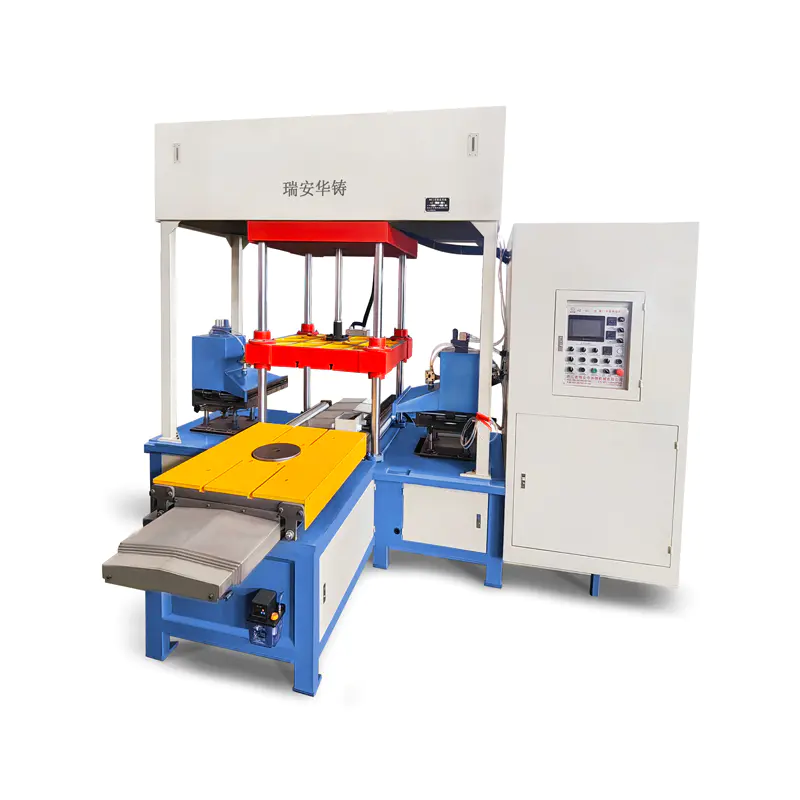
The value of a sand core machine isn't limited to speed on the floor. Its application can influence core consistency, labor organization, production planning, and the way different casting designs get handled through the shop. Choosing the right machine therefore starts with understanding where and why sand cores are actually needed in the first place.
What a Sand Core Shooting Machine Is Used For
A Sand Core Shooting Machine produces sand cores for casting applications across a foundry's product range. A sand core creates an internal space in a casting that would otherwise be genuinely difficult to form with the outer mold alone.
The process rests on a simple idea. A shaped core box defines the desired internal form. Sand material gets placed into the box and compacted so it can maintain its shape once removed. After the core forms and gets prepared, it can be positioned inside the casting mold ready for pouring.
This makes the machine useful for components that include:
- Internal passages
- Hollow sections
- Openings
- Channels
- Curved internal spaces
- Internal cavities
The exact application depends on the casting design and the type of core required for that specific part. For a foundry, the machine becomes part of a larger production process rather than some isolated piece of equipment sitting off to the side. Core preparation needs to work alongside mold preparation, casting, finishing, inspection, and handling as one connected chain.
Why Sand Cores Matter in Casting Production
Many metal components simply can't get produced with an empty outer mold alone. Their internal shape may require a temporary structure inside the mold during casting itself.
That structure is the sand core. Once the metal has formed around it and the casting has cooled sufficiently, the core material can be removed from inside the part. This leaves the intended internal space behind, whether that's a flow channel or a hollow housing interior.
The relationship can be viewed fairly simply:
| Casting Requirement | Role of the Sand Core |
|---|---|
| Hollow interior | Forms the internal space |
| Internal passage | Creates a channel |
| Curved cavity | Supports the desired inner shape |
| Complex opening | Defines the internal profile |
| Repeated component design | Supports consistent core production |
The core therefore has a direct connection with the final casting's quality. If the core shape is incorrect, the finished component may not match the intended design once it comes out of the mold. A stable core-making process helps reduce avoidable differences during production runs.
How a Sand Core Shooting Machine Supports Different Applications
One reason foundries reach for this type of equipment is its ability to work with different core designs across a single production line.
A single casting operation may involve several core shapes running through it. Some might be simple and compact. Others might contain curves, openings, or more detailed internal forms that need careful handling. The machine can work with different core boxes suited to these various designs.
The basic application can include:
- Preparing the appropriate core box
- Loading the required sand material
- Forming the core inside the box
- Removing the shaped core
- Inspecting the core
- Preparing it for placement in the casting mold
The process stays fairly similar even when the core shape changes from one job to the next. This proves useful for foundries producing several related products off the same floor. Instead of relying entirely on manual shaping, the production team can organize core making around the required core boxes and casting designs already on the schedule.
The machine doesn't eliminate the need for planning, though. It provides a more organized way to carry out a repeated manufacturing task that would otherwise depend heavily on individual worker consistency.
Where Sand Core Making Machines Get Commonly Applied
A Sand Core Making Machine can be used across many casting environments because internal cavities show up in a wide range of metal components coming off different production lines.
Common applications include automotive components, industrial equipment parts, pumps, valves, machinery housings, and other cast products that require internal spaces built into the design.
Different industries carry different priorities when it comes to core requirements.
| Application Area | Typical Core Requirement |
|---|---|
| Automotive casting | Internal passages and cavities |
| Pump components | Flow passages and hollow sections |
| Valve casting | Internal openings and channels |
| Machinery parts | Internal cavities |
| Industrial housings | Hollow interior structures |
| General foundry work | Various shaped sand cores |
The machine proves particularly useful when a foundry needs to produce repeated cores as part of an organized casting process running week to week. Its application isn't limited to one product category, either. The important factor is whether the casting design requires a removable sand structure to create its internal form in the first place.
How Core Shooting Supports Repeated Production
Repeated production creates a genuinely practical challenge on the shop floor. The foundry needs to make similar cores again and again while keeping the whole process manageable for the crew.
Manual production can demand significant attention from workers, shift after shift. Small differences in preparation may also affect the resulting core in ways that show up later during inspection. A machine-based process helps organize this repetitive work into something more predictable.
The core box provides a defined shape, while the machine supports a consistent forming process across every cycle. Workers can then focus more on preparation, inspection, handling, and other production tasks that actually need human judgment.
This proves useful when a casting line requires a steady supply of similar cores feeding into it continuously. The benefit isn't simply producing more cores faster, either. A predictable workflow can make production planning a lot easier for supervisors trying to schedule the week.
For example, a foundry may organize core preparation separately from mold preparation entirely. Finished cores can then get inspected and moved to the appropriate production area when required, rather than everything happening in one crowded space. This separation creates a much clearer production flow through the shop.
What Makes a Dependable Shell Core Machine Useful
Some casting applications use shell-style cores, formed from sand around a shaped core box in a slightly different process.
A Dependable Shell Core Machine proves useful when a foundry needs to produce these types of cores as part of its regular casting process. Shell cores often get selected when the casting design requires a particular internal shape and the production process benefits from a formed core structure that holds up well through handling.
The machine's role is supporting the preparation of the core in a controlled and repeatable manner, shift after shift.
For users, practical considerations may include:
- Ease of operating the equipment
- Compatibility with the core box
- Ease of changing between core designs
- Accessibility for routine cleaning
- Convenience during core removal
- Integration with surrounding production activities
A dependable machine should fit the foundry's working method rather than create additional complexity that slows the crew down. The right solution depends on the type of casting, core design, production arrangement, and level of flexibility required from one job to the next.
How Core Design Affects Machine Selection
Not all sand cores get shaped the same way, and that variation matters a lot when picking equipment.
A simple internal cavity may require a relatively straightforward core box. A more detailed internal passage may require a different arrangement entirely, with more attention paid to how the sand packs into tighter spaces. This means the core design should get considered before selecting equipment, not as an afterthought.
Important factors can include:
| Core Consideration | Why It Matters |
|---|---|
| Overall shape | Determines the core box arrangement |
| Internal details | Influences forming requirements |
| Core removal | Affects handling after forming |
| Production frequency | Influences workflow planning |
| Product variety | Determines the need for flexibility |
A foundry producing only one core design may have genuinely different needs from a facility handling many casting products at once. For mixed production, the ability to change core boxes conveniently becomes an important consideration worth weighing carefully. The machine should support the production range without introducing unnecessary steps into an already busy day.
Can One Machine Support Different Casting Industries?
Yes, a sand core machine can work across different casting industries when the core requirements are compatible with the equipment on hand.
The machine itself doesn't determine the industry it serves. The casting application determines how the machine actually gets used day to day.
For example, a pump manufacturer may require cores that create internal flow paths for fluid movement. A machinery producer may need cores for hollow housings supporting internal components. An automotive casting operation may require internal passages built within a component destined for an engine bay.
The core-making principle stays fairly similar across all these cases. What changes is the shape and purpose of the core itself.
This makes application planning genuinely important before committing to equipment. Before purchasing, manufacturers can review the core designs they currently produce and consider the types of components they expect to manufacture down the road. A broader product range may call for greater flexibility in core box changes and production organization on the floor.
How Automation Can Improve Core-Making Workflows
Automation can change how workers interact with core-making equipment on a daily basis.
Instead of manually carrying out every part of the forming process by hand, workers can focus on tasks such as preparing materials, positioning core boxes, inspecting finished cores, and moving completed pieces along the line. This creates a more structured workflow overall.
Automation proves particularly useful when the same type of core gets produced repeatedly across a long run. A stable process can reduce unnecessary variation caused by differences in manual handling from one worker to the next.
That said, automation shouldn't get viewed as a replacement for proper production planning. The machine still needs suitable materials, an appropriate core box, regular cleaning, and proper operation from a trained crew.
A well-organized workflow may look like:
Core preparation → machine forming → core removal → inspection → storage or mold placement
Each stage carries its own role in the chain. Keeping these stages organized makes the overall casting process a lot easier to manage across a full shift.
What Foundries Should Consider When Choosing a Sand Core Machine
Choosing equipment based only on the machine name can lead to a genuinely unsuitable purchase down the line.
The better approach starts with the actual casting requirements on the floor. Foundries can review their existing products and identify the core types used in daily production. They can then consider how frequently each core gets produced and whether new casting designs may get added later in the year.
Useful questions include:
- What types of cores are currently required?
- How many different core boxes are used?
- How frequently do core designs change?
- How are finished cores handled?
- How much manual work is currently involved?
- How will the machine fit into the existing production area?
- What routine cleaning and maintenance will be required?
- Will future casting designs require greater flexibility?
These questions provide a much clearer basis for equipment selection than a product name alone ever could. The machine should fit the production process, rather than forcing the production process to change unnecessarily around it.
For foundries working with different casting products, a Sand Core Shooting Machine can provide an organized approach to producing internal core shapes across a varied product line. Its applications can extend from general industrial castings to automotive components, pump parts, valve bodies, and machinery housings. The usefulness of the equipment ultimately depends on how well its core-forming capabilities, core box arrangements, handling process, and production workflow match the actual casting requirements sitting on the shop floor.
Related products
-

The HZ700-C Fully Automatic Core Shooter With Core Pulling is an advanced molding solution designed ...
See Details -

The Fully Automatic Environmentally Friendly Core Shooting Machine is a highly advanced, eco-conscio...
See Details -

The HZ700-X Fully Automatic Core Shooting Machine With Lower Mold Removal is designed to make core p...
See Details -

The HZ700-X Fully Automatic Core Shooting Machine With Lower Mold Removal is designed for molding ap...
See Details -

The HZ800-X Hydraulic Fully Automatic Core Shooting Machine is designed for efficient and accurate c...
See Details -

The environmentally friendly core shooting machine with lower mold removable is a high-performance s...
See Details -

The Lower Mold Removable Type Environmentally Friendly Core Shooting Machine with Door is an advance...
See Details -

The HZ800-X Hydraulic Environmentally Friendly Core Shooting Machine is an advanced automatic core p...
See Details

Welcome to our company to design according to your design and sample proofing.
Contact Infor
-
 Haixi Town, Pingyang County, Wenzhou City, Zhejiang Province, China
-
 +86-13868387823
-
 +86-577-65197155
-
 +86-577-65197166
-
 13868387823@139.com
huazhultd@outlook.com
Quick Links
Products
Copyright © Ruian Huazhu Machinery Co., Ltd. All Rights Reserved.

