 En
En
 русский
 Español
 عربى
عربى Deutsch
Mechanical Parts Castings: Key Considerations
Industry News-Mechanical parts castings are fundamental components in the manufacturing of various products used in industries such as automotive, aerospace, machinery, and energy. The casting process involves pouring molten metal into a mold to create a solid object with a desired shape and size. This process allows manufacturers to produce complex geometries and precise dimensions, making it an essential technique in producing functional parts.
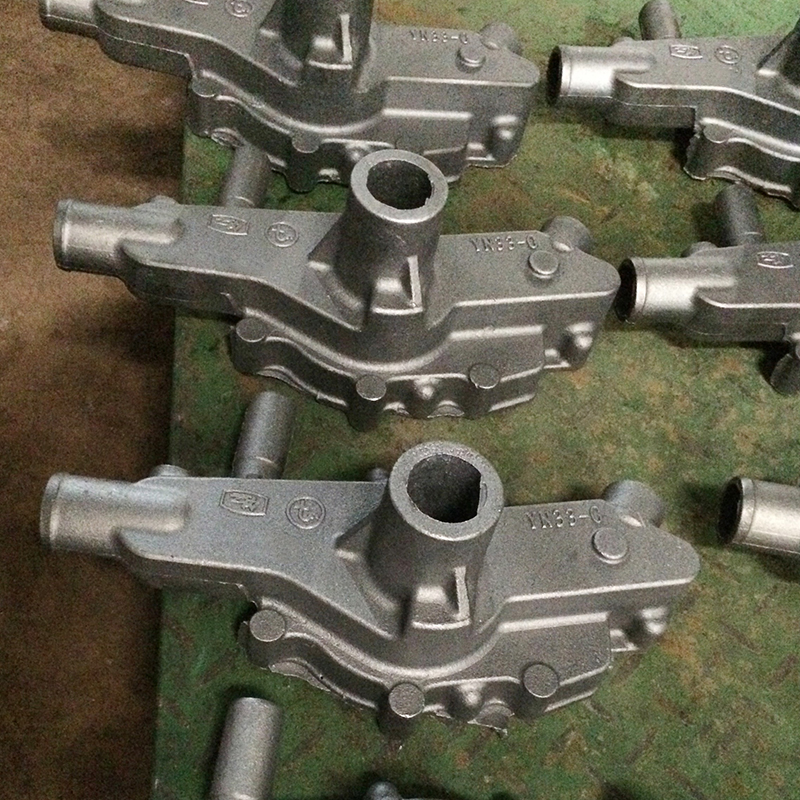
What Are the Common Types of Mechanical Parts Castings?
Mechanical parts can be produced using several types of casting processes, each suited to specific materials and part designs. The most common types of mechanical parts castings include:
Sand Casting:
- Process: Sand casting involves creating a mold from a mixture of sand, water, and a binder. Once the mold is formed, molten metal is poured into it to create the final part.
- Material: This process is typically used for metals such as cast iron, steel, and aluminum.
- Advantages: It is relatively inexpensive and versatile, capable of producing both small and large parts.
Die Casting:
- Process: Die casting involves injecting molten metal under high pressure into a metal mold (die) to form the part. This process is best suited for mass production of small to medium-sized components.
- Material: Die casting is primarily used with non-ferrous metals, including zinc, aluminum, and magnesium alloys.
- Advantages: It allows for high precision and excellent surface finish, making it suitable for parts requiring tight tolerances.
Investment Casting (Lost Wax Casting):
- Process: Investment casting uses a pattern made from wax or another material, which is coated with a ceramic shell. Once the shell hardens, the pattern is melted or burned out, leaving a hollow mold for the metal to be poured into.
- Material: This technique is used for high-precision parts, typically made from stainless steel, alloys, or other high-strength metals.
- Advantages: It is ideal for producing parts with complex shapes and fine details.
Permanent Mold Casting:
- Process: In this process, metal molds (typically made of steel or cast iron) are used repeatedly for casting parts. The mold is filled with molten metal and cooled to form the part.
- Material: This is commonly used for metals like aluminum, copper, and bronze.
- Advantages: It offers a good surface finish and dimensional accuracy, making it suitable for parts with moderate complexity.
What Are the Applications of Mechanical Parts Castings?
Mechanical parts castings are used in a wide range of industries and applications due to their versatility and ability to produce parts with high precision. Below are some key applications of casting in various sectors:
1. Automotive Industry:
Engine Components: Castings are widely used in automotive engines, including cylinder heads, engine blocks, and intake manifolds. These parts require high strength and precision to ensure optimal performance and safety.
Transmission Parts: Components like gears, housings, and shafts are commonly made using casting processes to withstand high-stress conditions in automotive transmissions.
Suspension and Steering Parts: Many suspension and steering components, such as control arms, spindles, and knuckles, are produced through casting due to their strength and durability.
2. Aerospace Industry:
Turbine Components: In the aerospace sector, casting is used to manufacture high-performance parts like turbine blades, compressor disks, and other critical components that must withstand extreme temperatures and stress.
Structural Components: Parts such as brackets, housings, and supports used in aircraft are often produced by casting due to the material strength required for these applications.
3. Industrial Machinery:
Gears and Bearings: Gears, shafts, and bearings are commonly cast to meet the high precision and durability requirements of industrial machines.
Pumps and Valves: Components for pumps, valves, and actuators are frequently made using casting techniques to ensure consistent quality and performance.
4. Energy Sector:
Power Plant Components: In power generation, casting is used to produce parts such as turbine blades, housings, and pressure vessels that must withstand high operating temperatures and pressures.
Wind Turbine Parts: Components for wind turbines, such as hubs and nacelles, are made using casting methods to ensure they are lightweight yet strong enough to handle environmental forces.
What Are the Key Factors That Influence the Quality of Castings?
Several factors affect the final quality and performance of cast mechanical parts. These factors need to be carefully controlled to ensure that the cast parts meet the required specifications. Here are some of the most significant factors:
Material Selection:
The type of material used for the casting significantly impacts the part's strength, corrosion resistance, and overall performance. It is essential to select the appropriate alloy based on the part's function and environmental conditions.
Mold Design:
The design of the mold is crucial for achieving dimensional accuracy and minimizing defects such as shrinkage, warping, or porosity. Proper gating and venting in the mold are essential to allow for smooth metal flow and prevent trapped gases.
Pouring Temperature:
The temperature at which molten metal is poured into the mold affects the quality of the cast. Pouring at too high or too low a temperature can lead to defects such as misruns, cold shuts, or excessive oxidation.
Cooling Rate:
The cooling rate of the cast part influences its microstructure and, ultimately, its mechanical properties. Cooling too quickly can lead to cracking, while cooling too slowly may result in undesirable grain structures.
Defects Control:
Identifying and controlling common casting defects such as porosity, hot tears, and inclusions is critical to producing high-quality cast parts. Regular inspections, non-destructive testing, and process optimization can help reduce defects.
What Are the Benefits and Challenges of Mechanical Parts Castings?
Benefits:
- Cost-Effective for Large Volumes: Casting is a cost-effective method for producing large quantities of parts, especially when dealing with complex geometries.
- Material Flexibility: Casting allows for the use of a wide range of metals and alloys, making it versatile across different industries.
- Precision: Advanced casting techniques such as investment casting enable the production of highly precise and detailed parts.
Challenges:
- Porosity and Defects: Castings are prone to defects like porosity, shrinkage, and inclusions that can affect the strength and quality of the final product.
- Longer Lead Times: The casting process may require significant lead time, especially for complex molds or materials.
- Material Waste: Some casting processes may generate waste material, which can increase production costs and environmental impact.
Related products
-

The HZ700-C Fully Automatic Core Shooter With Core Pulling is an advanced molding solution designed ...
See Details -

The Fully Automatic Environmentally Friendly Core Shooting Machine is a highly advanced, eco-conscio...
See Details -

The HZ700-X Fully Automatic Core Shooting Machine With Lower Mold Removal is designed to make core p...
See Details -

The HZ700-X Fully Automatic Core Shooting Machine With Lower Mold Removal is designed for molding ap...
See Details -

The HZ800-X Hydraulic Fully Automatic Core Shooting Machine is designed for efficient and accurate c...
See Details -

The environmentally friendly core shooting machine with lower mold removable is a high-performance s...
See Details -

The Lower Mold Removable Type Environmentally Friendly Core Shooting Machine with Door is an advance...
See Details -

The HZ800-X Hydraulic Environmentally Friendly Core Shooting Machine is an advanced automatic core p...
See Details

Welcome to our company to design according to your design and sample proofing.
Contact Infor
-
 Haixi Town, Pingyang County, Wenzhou City, Zhejiang Province, China
-
 +86-13868387823
-
 +86-577-65197155
-
 +86-577-65197166
-
 13868387823@139.com
huazhultd@outlook.com
Quick Links
Products
Copyright © Ruian Huazhu Machinery Co., Ltd. All Rights Reserved.

