 En
En
 русский
 Español
 عربى
عربى Deutsch
Materials and Uses of Stainless Steel Castings
Industry News-Stainless steel castings are widely used in industries that require a combination of mechanical strength, corrosion resistance, and design flexibility. Unlike wrought stainless steel products, cast stainless steel components can be formed into complex shapes that are difficult to achieve through machining alone.
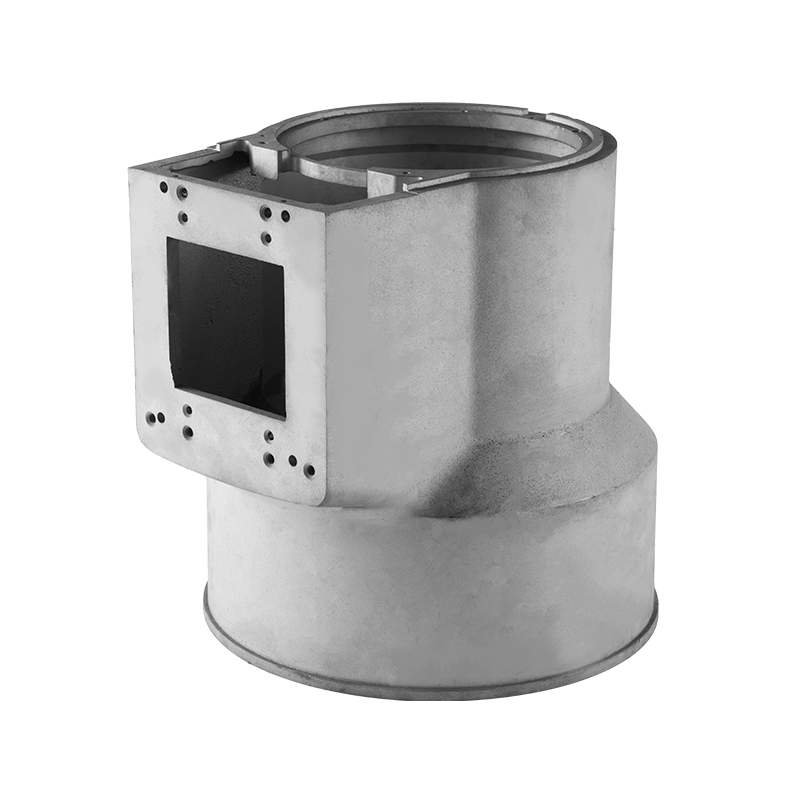
Austenitic Stainless Steel Casting Materials
Austenitic stainless steel is the widely used category in stainless steel castings. This material group is known for its balanced mechanical properties and resistance to many forms of corrosion. It typically contains chromium and nickel as its main alloying elements.
Common grades of austenitic stainless steel used in castings include CF8, CF8M, and CF3M, which correspond to wrought grades such as 304 and 316.
Key characteristics of austenitic stainless steel castings include:
- Good resistance to oxidation and many chemical environments
- Stable mechanical properties over a wide temperature range
- Non-magnetic behavior in conditions
- Good formability and weldability
Typical uses of austenitic stainless steel castings include:
Pump housings and valve bodies in water and chemical systems
Food processing machinery components
Marine fittings exposed to saltwater
Medical and pharmaceutical equipment parts
Because of their corrosion behavior and structural stability, austenitic castings are often selected for environments involving moisture, mild acids, and hygiene requirements.
Martensitic Stainless Steel Casting Materials
Martensitic stainless steel castings are designed for applications that require higher strength and hardness. These materials contain higher carbon content than austenitic grades and can be heat-treated to improve mechanical performance.
Common martensitic casting grades include CA15 and CA6NM. These grades offer higher tensile strength compared to austenitic stainless steel but with reduced corrosion resistance.
Main features of martensitic stainless steel castings include:
- Ability to be hardened through heat treatment
- Higher strength and wear resistance
- Moderate corrosion resistance
- Magnetic properties
Typical applications include:
- Pump shafts and impellers
- Turbine components
- Mechanical wear parts
- Industrial cutting and forming tools
Martensitic castings are often used where mechanical strength and wear resistance are more critical than corrosion protection.
Ferritic and Duplex Stainless Steel Casting Materials
Ferritic and duplex stainless steels represent two additional material categories used in stainless steel castings, each serving specific performance needs.
Ferritic stainless steel castings are primarily chromium-based and do not contain significant nickel. Duplex stainless steels combine both ferritic and austenitic structures, providing a balance between strength and corrosion resistance.
Ferritic stainless steel casting features:
- Good resistance to stress corrosion cracking
- Moderate corrosion resistance
- Magnetic behavior
- Lower material cost compared to nickel-containing grades
Ferritic casting applications include:
- Automotive exhaust components
- Heat-resistant structural parts
- Industrial brackets and supports
Duplex stainless steel casting features:
- Higher strength than austenitic stainless steel
- Improved resistance to pitting and crevice corrosion
- Better resistance to chloride environments
- Balanced toughness and structural stability
Duplex stainless steel castings are used in:
- Offshore platforms and marine equipment
- Chemical processing systems
- Pressure vessels and piping systems
- Desalination and wastewater treatment plants
These materials are selected when both strength and corrosion resistance are required under demanding conditions.
How Stainless Steel Castings Are Used in Industry
The wide range of stainless steel casting materials allows these components to be used across many industries. Their ability to combine mechanical performance with corrosion resistance makes them suitable for demanding operational environments.
Typical industrial uses of stainless steel castings include:
- Fluid handling systems: Pump bodies, valve housings, impellers, and pipe fittings used in water supply, chemical transport, and oil processing
- Food and beverage processing: Mixing blades, equipment frames, and sanitary fittings that require corrosion resistance and cleanability
- Energy and power generation: Turbine casings, structural supports, and heat exchanger components
- Marine and offshore equipment: Deck machinery parts, anchors, brackets, and structural connectors
- Construction and infrastructure: Load-bearing fittings, architectural components, and specialized fasteners
In addition to heavy industry, stainless steel castings are also used in:
- Medical instruments and device housings
- Environmental protection equipment
- Agricultural machinery components
The versatility of stainless steel castings comes from both material diversity and casting process flexibility. Designers can adjust alloy composition and casting methods to meet specific performance targets, such as resistance to chloride corrosion, strength at elevated temperatures, or wear resistance under mechanical load.
Stainless steel castings are produced from several main material categories, including austenitic, martensitic, ferritic, and duplex stainless steels. Each material group offers a different balance of corrosion resistance, strength, hardness, and structural stability. These variations allow stainless steel castings to serve a wide range of industries, from food processing and water treatment to energy, marine, and heavy machinery applications.
Related products
-

The HZ700-C Fully Automatic Core Shooter With Core Pulling is an advanced molding solution designed ...
See Details -

The Fully Automatic Environmentally Friendly Core Shooting Machine is a highly advanced, eco-conscio...
See Details -

The HZ700-X Fully Automatic Core Shooting Machine With Lower Mold Removal is designed to make core p...
See Details -

The HZ700-X Fully Automatic Core Shooting Machine With Lower Mold Removal is designed for molding ap...
See Details -

The HZ800-X Hydraulic Fully Automatic Core Shooting Machine is designed for efficient and accurate c...
See Details -

The environmentally friendly core shooting machine with lower mold removable is a high-performance s...
See Details -

The Lower Mold Removable Type Environmentally Friendly Core Shooting Machine with Door is an advance...
See Details -

The HZ800-X Hydraulic Environmentally Friendly Core Shooting Machine is an advanced automatic core p...
See Details

Welcome to our company to design according to your design and sample proofing.
Contact Infor
-
 Haixi Town, Pingyang County, Wenzhou City, Zhejiang Province, China
-
 +86-13868387823
-
 +86-577-65197155
-
 +86-577-65197166
-
 13868387823@139.com
huazhultd@outlook.com
Quick Links
Products
Copyright © Ruian Huazhu Machinery Co., Ltd. All Rights Reserved.

