 En
En
 русский
 Español
 عربى
عربى Deutsch
How Are Small Metal Parts Made Through Casting?
Industry News-Trying to figure out how a tiny metal bracket or a small gear tucked inside an appliance actually gets made is the kind of question that rarely comes up until you're the one responsible for sourcing it and need to know whether the process can actually deliver consistent shapes at scale. Plenty of buyers wonder whether casting can even handle small, detailed parts without turning into a headache of inconsistent results and reruns. If you've been searching for how small metal parts are made through casting, walking through the actual process makes it a lot easier to judge whether this approach fits what you're trying to build.
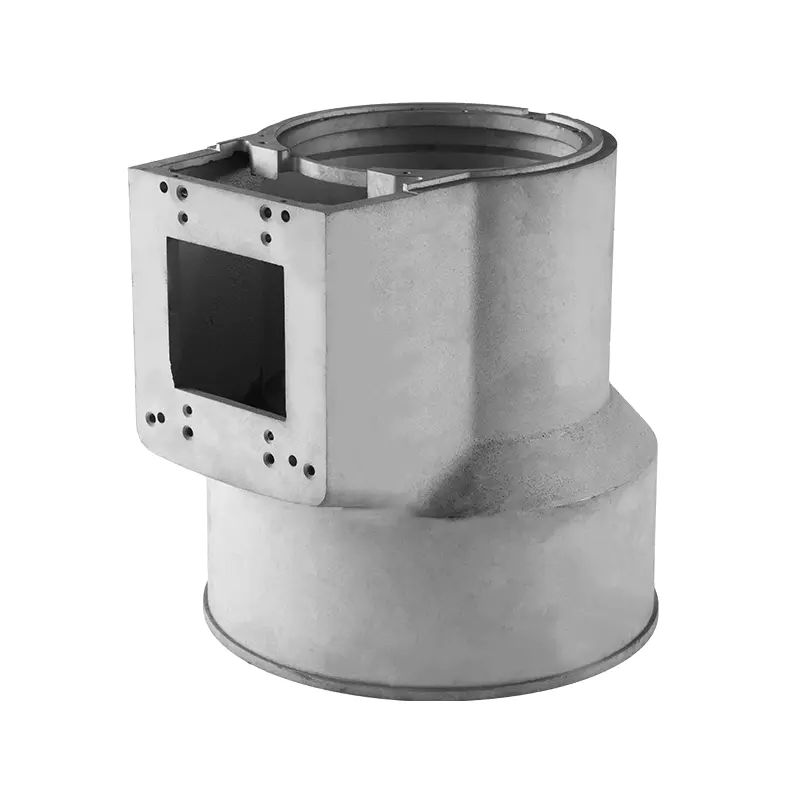
Small metal parts show up everywhere, tucked into machines, appliances, and everyday consumer products most people never think twice about. Even though these components look simple sitting in your hand, producing them reliably usually takes more planning than their size suggests. Casting offers one way to create these parts by shaping melted metal inside a prepared mold, and understanding each stage of that process helps explain why some suppliers deliver consistent results while others struggle.
Why Does Casting Get Used for Small Metal Parts in the First Place?
Casting works by pouring melted metal into a prepared space, then letting it cool and solidify into the shape of whatever surrounds it. Manufacturers often turn to this approach specifically when a part needs a shape or design that would be genuinely difficult to achieve through other methods.
A few reasons casting tends to come up in these conversations:
| Reason | Description |
|---|---|
| Shape flexibility | Supports a wide range of part designs |
| Material options | Works with various metal choices depending on the application |
| Production needs | Fits well for repeated manufacturing runs |
| Design possibilities | Helps create more detailed internal structures |
Small metal parts serve different purposes depending on where they end up. Some sit inside machinery handling constant motion, others become part of a consumer product someone picks up every day. Casting gives manufacturers a way to produce these components according to whatever the specific application actually demands.
What Are the Main Steps in Casting a Small Metal Part?
Producing small metal parts through casting moves through a series of connected steps, and skipping attention at any one stage tends to show up as a problem later.
Here's a general overview of how the process typically unfolds:
| Process Stage | Purpose |
|---|---|
| Design preparation | Establishes the part shape plan |
| Mold creation | Provides the space where forming happens |
| Metal preparation | Gets the raw material ready for casting |
| Filling process | Moves melted metal into the mold |
| Cooling stage | Lets the part solidify properly |
| Finishing work | Improves final appearance and condition |
Each of these stages plays its own role, and careful preparation early on tends to reduce headaches showing up much later in production. The process really starts with understanding what the part actually needs to do, including its shape, size, material choice, and where it's headed once finished.
How Does the Mold Actually Get Created?
The mold sits at the center of the entire casting process.
It works as either a temporary or reusable space defining the exact shape of the final part, and how well that mold is built shapes how accurately the metal actually forms once it's poured in.
Building a mold usually involves:
- Studying the part design closely before anything else happens
- Preparing the actual mold structure
- Checking shape details against the original design
- Making adjustments wherever something doesn't quite line up
Different casting approaches lean toward different mold types, and the right choice depends heavily on the production requirements and characteristics of the specific metal part being made. A mold that's genuinely well-prepared tends to make every step afterward go more smoothly, supporting far more consistent results across a full production run.
What Actually Happens When Metal Gets Poured Into the Mold?
Once the mold is ready, the metal itself needs preparation before it can go anywhere.
The metal gets changed into a liquid state so it can flow into the mold space, and once inside, it starts cooling and gradually taking on the shape it's meant to become. This stage genuinely deserves attention, since how that liquid metal moves directly affects the condition of the finished part.
A few factors shape how this step plays out:
| Factor | Influence |
|---|---|
| Material condition | Affects how completely the metal fills the mold |
| Mold design | Shapes how the part actually forms |
| Cooling process | Influences the final internal structure |
| Handling process | Supports consistency across a production run |
The whole point here is letting the metal fill the mold completely and take on the shape it's meant to hold once it solidifies.
How Does Cooling Affect the Finished Cast Part?
Cooling is genuinely one of the more sensitive stages in the whole casting process.
After melted metal fills the mold, it gradually shifts from liquid into a solid piece, and how that cooling happens shapes the final condition of the component in ways that aren't always obvious right away. Manufacturers need to manage this stage with care, since uneven cooling can affect either the appearance or the internal structure of the finished part.
A few things worth paying attention to during cooling:
- Letting the material solidify at a pace that supports a stable structure
- Monitoring part condition once it's out of the mold
- Preparing the component properly for whatever processing comes next
Cooling essentially bridges the forming process with everything that happens afterward. Once the part is fully solid, it usually still needs some additional work before it's actually ready for use.
What Finishing Steps Come After Casting?
Casting handles the basic shape of a small metal part, but that's rarely the last step before it's ready to ship.
Finishing exists to improve the part's condition and prepare it properly for whatever application it's headed toward.
Common finishing activities include:
| Finishing Activity | Purpose |
|---|---|
| Surface cleaning | Removes unwanted leftover material |
| Shape adjustment | Improves overall part condition |
| Surface treatment | Changes appearance or adds protection |
| Inspection | Confirms the part actually meets requirements |
Finishing lets manufacturers refine the cast component into something ready for actual use. How much additional work a part needs really depends on its design and the application it's headed toward, since some components need a lot more attention here than others.
What Materials Actually Work for Casting Small Metal Parts?
Material selection plays a genuinely important role throughout casting.
Different metals bring different characteristics to the table, shaping both how they behave during production and how they hold up once they're actually in use.
Manufacturers typically weigh a few things when choosing:
- Strength requirements for the intended use
- Environmental conditions the part will face
- What function the part actually needs to perform
- Overall production needs and constraints
A few material factors worth understanding:
| Material Factor | Importance |
|---|---|
| Forming ability | Shapes how smoothly the casting process goes |
| Durability | Affects how well the part holds up in service |
| Surface characteristics | Influences the final appearance |
| Application needs | Determines which material choices actually make sense |
Picking the right material helps ensure the finished part genuinely matches what it's meant to do, and that decision usually comes down to how the part design, manufacturing process, and final application all connect together.
How Does Casting Compare With Other Manufacturing Methods?
Casting is one option among several ways to produce small metal parts, and it's worth understanding how it stacks up against the alternatives.
Other methods might remove material from a larger piece or build a component up through a different process entirely. Each approach fits certain situations better than others.
| Manufacturing Method | General Approach |
|---|---|
| Casting | Forms parts by shaping melted material |
| Machining | Creates parts by removing material from a larger block |
| Forming | Changes material shape through applied pressure |
Casting tends to get chosen when the shape, design complexity, or production volume make it a practical fit. Understanding these differences helps buyers communicate more clearly with a manufacturer and land on a production method that actually suits their part.
What Should Buyers Think Through Before Ordering Cast Parts?
Choosing a casting solution takes more than just glancing at how the final part looks in a sample photo.
Buyers generally need to think through how design, material, production process, and application all connect to each other.
A few questions worth asking before placing an order:
- What is this part actually meant to do once it's in use?
- What material characteristics does it genuinely need?
- How complex is the design compared to a standard shape?
- What finishing work might be required afterward?
- How will these parts get used once production wraps up?
Clear communication early on helps avoid misunderstandings once manufacturing actually gets underway. A solid production process really starts with understanding what the final application demands, not with picking a manufacturing method first and figuring out the rest later.
How Does Casting Fit Into Everyday Manufacturing Needs?
Small metal parts might be tiny compared to the larger machines or products they end up inside, but they often carry out functions that matter a great deal despite their size. Casting offers a flexible way to create these parts by combining careful design planning, thoughtful material selection, and controlled forming throughout production. The process ties together several connected stages, including mold preparation, metal forming, cooling, and finishing, and each one contributes something to the final result. Understanding how small metal parts actually come together through casting helps buyers see why each manufacturing decision genuinely matters. The mold's design, the material chosen, how the metal gets handled during pouring, and the finishing work applied afterward all shape the outcome in ways that connect back to each other. Looking at the whole production process instead of just one isolated step gives buyers a much clearer way to evaluate casting options and communicate exactly what they need before a single mold ever gets built.
Related products
-

The HZ700-C Fully Automatic Core Shooter With Core Pulling is an advanced molding solution designed ...
See Details -

The Fully Automatic Environmentally Friendly Core Shooting Machine is a highly advanced, eco-conscio...
See Details -

The HZ700-X Fully Automatic Core Shooting Machine With Lower Mold Removal is designed to make core p...
See Details -

The HZ700-X Fully Automatic Core Shooting Machine With Lower Mold Removal is designed for molding ap...
See Details -

The HZ800-X Hydraulic Fully Automatic Core Shooting Machine is designed for efficient and accurate c...
See Details -

The environmentally friendly core shooting machine with lower mold removable is a high-performance s...
See Details -

The Lower Mold Removable Type Environmentally Friendly Core Shooting Machine with Door is an advance...
See Details -

The HZ800-X Hydraulic Environmentally Friendly Core Shooting Machine is an advanced automatic core p...
See Details

Welcome to our company to design according to your design and sample proofing.
Contact Infor
-
 Haixi Town, Pingyang County, Wenzhou City, Zhejiang Province, China
-
 +86-13868387823
-
 +86-577-65197155
-
 +86-577-65197166
-
 13868387823@139.com
huazhultd@outlook.com
Quick Links
Products
Copyright © Ruian Huazhu Machinery Co., Ltd. All Rights Reserved.

