 En
En
 русский
 Español
 عربى
عربى Deutsch



Understanding Structural Casting Parts in Modern Industrial Applications
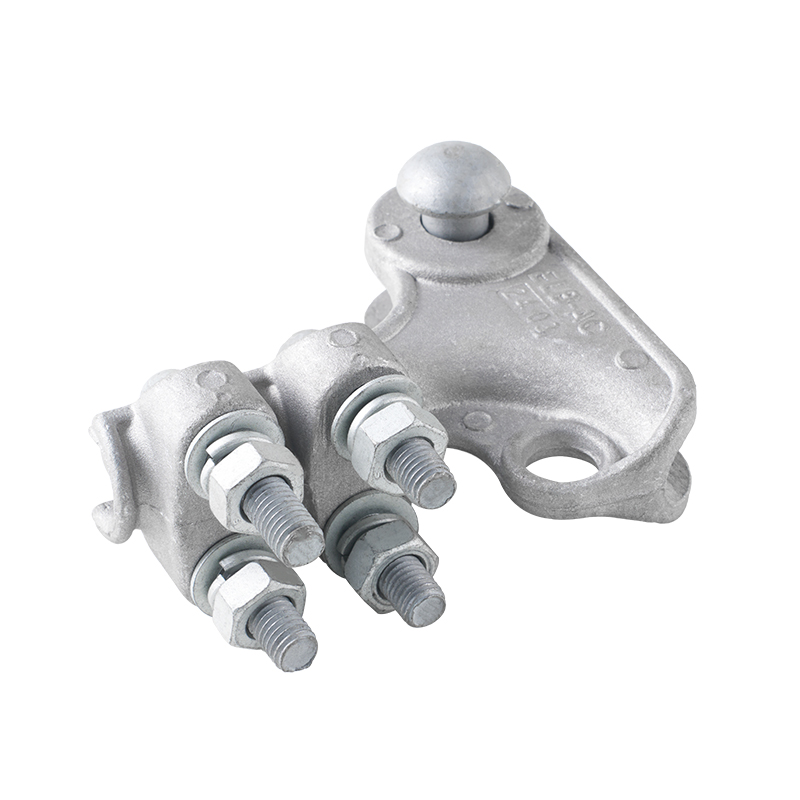
Structural casting parts remain a key part of modern industrial manufacturing because they combine design flexibility, material adaptability, and dependable mechanical performance. In many types of equipment, from machinery frames to valve systems and transport assemblies, cast components are used not only for their shape, but for their ability to meet specific structural and service demands. When properly designed and produced, metal castings can help improve part strength, simplify assembly, and support long-term operating reliability.
Why Structural Casting Parts Are Still Widely Used
In industrial applications, many components must handle load, vibration, heat, pressure, or corrosion over long periods of time. Standard manufactured parts do not always provide the right geometry or structural balance for these conditions. Structural casting parts offer an effective solution because they can be formed into complex shapes while maintaining the strength needed for practical service.
This makes cast components suitable for:
- Equipment housings
- Support structures
- Pump and valve bodies
- Connection components
- Transport and power system parts
By using casting processes, manufacturers can create parts that are better matched to installation space, load paths, and performance requirements.
Common Types of Metal Castings and Their Uses
Different categories of metal castings serve different purposes depending on the application, material requirements, and working environment. Below is a simple overview of the main product groups you mentioned.
|
Casting Type |
Typical Features |
Common Applications |
|
Structural Casting Parts |
Strong support, shape flexibility, good load capacity |
Machinery, frames, heavy equipment |
|
Metal Castings |
Broad material range, versatile production options |
General industrial systems |
|
Valve Fittings Castings |
Pressure-bearing design, flow-related geometry |
Pipelines, valves, fluid control systems |
|
Stainless Steel Castings |
Corrosion resistance, good strength, clean surface performance |
Chemical equipment, food processing, marine applications |
|
Cast Iron Parts |
High rigidity, wear resistance, vibration damping |
Machinery bases, housings, engine-related parts |
Stainless Steel Castings and Cast Iron Parts Serve Different Needs
Two of the most widely used casting materials are stainless steel and cast iron, but they are chosen for different reasons.
Stainless Steel Castings
Stainless steel castings are commonly used where corrosion resistance is important. They perform well in environments exposed to moisture, chemicals, or temperature variation. They are often found in:
- Valve and pump components
- Marine hardware
- Food and beverage equipment
- Chemical processing systems
In addition to corrosion resistance, stainless steel castings can provide good strength and a clean, professional surface.
Cast Iron Parts
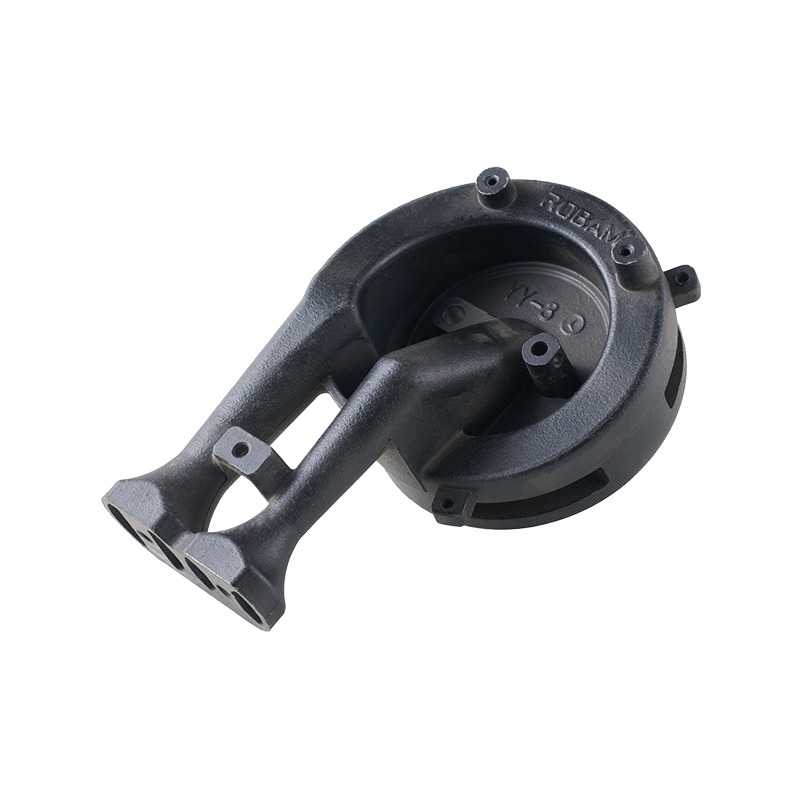
Cast iron parts are valued for rigidity, wear resistance, and vibration absorption. They are often used in heavy-duty or mechanically demanding environments where structural stability matters more than low weight. Common examples include:
- Machine bases
- Gear housings
- Engine-related components
- Industrial brackets and support bodies
In practice, the material choice depends on how the part will function inside the equipment.
Valve Fittings Castings Require Careful Design Control
Valve fittings castings are a specialized category because they often work under pressure and must support stable fluid flow. Their geometry is usually more functional than simple structural parts, and even small design changes can affect sealing, connection accuracy, and system reliability.
Important design considerations often include:
- Flow passage shape
- Wall thickness balance
- Sealing surfaces
- Connection points
- Machining allowance for critical areas
For this reason, valve-related castings usually benefit from careful planning before production begins. A well-designed casting is easier to machine, inspect, and assemble, and it generally performs more reliably in service.
What Makes High-Quality Metal Castings More Reliable
The performance of metal castings depends on more than the casting process itself. Good results usually come from the combination of design planning, material selection, mold control, and finishing operations. Reliable cast parts are typically associated with:
- Suitable material selection for the application
- Balanced wall sections and structural design
- Stable dimensional control
- Proper machining of key surfaces
- Consistent quality across repeated production
When these factors are handled well, castings can reduce production issues and support longer service life in industrial equipment.
Choosing the Right Casting Type for the Application
There is no single casting solution that fits every project. Structural casting parts, stainless steel castings, cast iron parts, and valve fittings castings each offer advantages depending on service conditions and product goals. The right choice usually depends on:
- Mechanical load
- Corrosion exposure
- Temperature conditions
- Required dimensional accuracy
- Production scale
- Cost and post-machining needs
A clear understanding of these factors helps ensure that the selected casting performs well not only in production, but also throughout its working life.
Structural casting parts still matter in industrial manufacturing because they solve real engineering needs. Some projects need the corrosion resistance of stainless steel castings, some rely on cast iron parts for strength and stability, and others call for valve fittings castings or general metal castings built for specific service conditions. A good casting is valuable not simply because of the material, but because it fits the job it is made for and performs consistently in use. That practical approach is also why companies often work with experienced suppliers such as Huazhu Machinery Manufacturer when reliable casting quality is a priority.



