 En
En
 русский
 Español
 عربى
عربى Deutsch
Valve Fittings Castings: Uses, Applications, Characteristics
Industry News-Valve fittings castings are a core component in fluid control systems across many industries. They are manufactured through casting processes such as sand casting, investment casting, or die casting, and are typically made from materials like stainless steel, carbon steel, ductile iron, bronze, or alloy steel. These castings form the body, bonnet, flanges, and other parts of valves used to control the flow of liquids, gases, and steam.
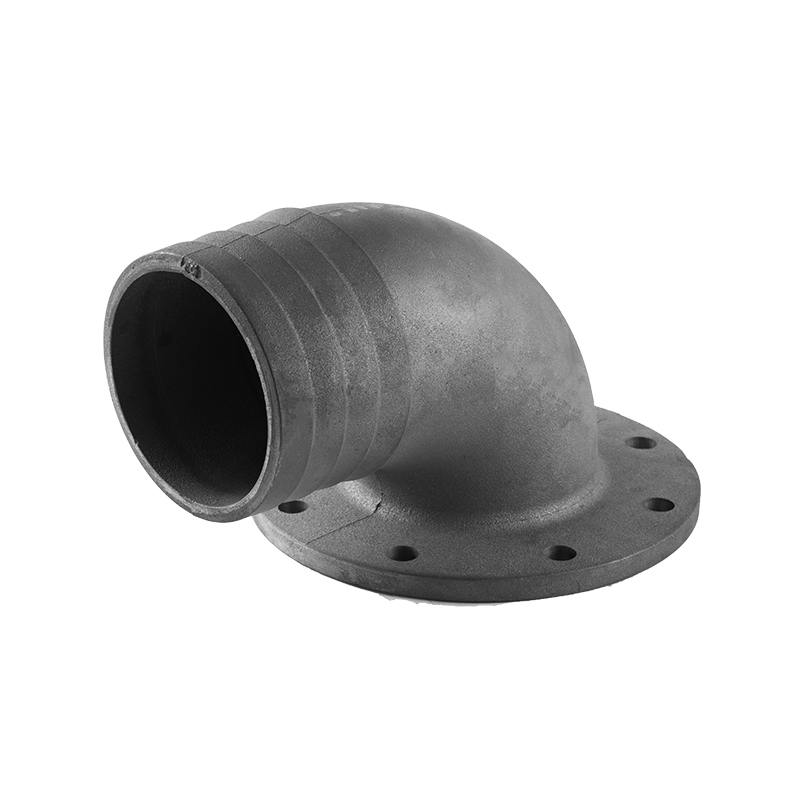
Valve Fittings Castings
Definition and Scope
Valve fittings castings refer to the cast components used in the construction of valves, including valve bodies, bonnets, covers, flanges, and internal parts. These castings provide the structural foundation for valve assemblies.
Common Casting Methods
Valve fittings are commonly produced through sand casting, which is cost-effective for large parts and low-volume production. For higher precision and better surface finish, investment casting and lost-wax casting are used. Die casting is applied for smaller valve components where high production volume and consistent quality are required.
Material Selection
Materials are chosen based on operating conditions. Carbon steel and stainless steel are widely used for corrosion resistance and strength. Ductile iron is favored for general industrial valves due to its toughness and cost-effectiveness. Bronze and brass are used in low-pressure and marine applications.
Quality Control and Standards
Valve fittings castings must comply with industry standards such as ASTM, ISO, DIN, and API. Common quality checks include dimensional inspection, surface defect inspection, chemical composition testing, and mechanical property verification.
Machining and Finishing
After casting, valve fittings typically undergo machining processes to achieve accurate sealing surfaces and threaded connections. Surface finishing may include sandblasting, polishing, or coating for improved corrosion resistance.
Performance Requirements
Cast valve fittings must withstand pressure, temperature, and fluid corrosion. Proper design and material selection ensure reliability and long service life in demanding environments.
Where Are Valve Fittings Castings Commonly Used?
Oil and Gas Industry
Valve fittings castings are widely used in upstream, midstream, and downstream sectors. In oil extraction and transportation, they are used in pipeline valves, wellhead equipment, and processing plants where high pressure and corrosion resistance are essential.
Chemical and Petrochemical Plants
Chemical processing requires valves that can withstand aggressive media and high temperatures. Cast valve components made from stainless steel or alloy steel are commonly used in reactors, storage tanks, and transfer pipelines.
Power Generation
Power plants, including thermal, nuclear, and hydropower facilities, rely on valve fittings castings for steam control, cooling systems, and feedwater systems. High-pressure and high-temperature conditions require reliable cast components.
Water Treatment and Distribution
Municipal water supply and wastewater treatment plants use cast valve fittings for gate valves, globe valves, and check valves. Cast iron and ductile iron are commonly used due to cost efficiency and adequate strength.
Marine and Shipbuilding
In ship systems, cast valve fittings are used in ballast systems, bilge systems, and fuel supply lines. Bronze and stainless steel castings are often preferred for corrosion resistance in seawater environments.
Industrial Manufacturing
General industrial equipment, such as compressors, pumps, and HVAC systems, uses valve fittings castings to control air, steam, and coolant flows.
What Are the Characteristics of Valve Fittings Castings?
Strong Structural Integrity
Valve fittings castings are designed to bear internal pressure and mechanical stress. The casting process allows for complex shapes that distribute stress evenly, improving overall strength.
Good Corrosion Resistance
Depending on material selection, castings can resist corrosion from water, chemicals, and gases. Stainless steel and alloy steel castings are commonly used for corrosive environments.
High Temperature Capability
Cast valve components can operate in high-temperature conditions, such as steam systems and petrochemical processes. Proper alloy selection ensures stability at elevated temperatures.
Precision Machinability
After casting, valve fittings can be machined to achieve accurate sealing surfaces and precise thread fittings. This ensures tight sealing and reliable performance.
Customizable Design
Casting allows for customized valve designs, including special flanges, integrated mounting features, and complex internal passages. This flexibility supports specific industry requirements.
Cost-Effective Production
For medium to large-sized components, casting is an economical method compared to forging or machining from solid blocks. It reduces material waste and supports mass production.
Stable Performance and Longevity
Well-designed cast valve fittings provide stable operation over long service periods, especially when combined with proper surface treatment and regular maintenance.
Related products
-

The HZ700-C Fully Automatic Core Shooter With Core Pulling is an advanced molding solution designed ...
See Details -

The Fully Automatic Environmentally Friendly Core Shooting Machine is a highly advanced, eco-conscio...
See Details -

The HZ700-X Fully Automatic Core Shooting Machine With Lower Mold Removal is designed to make core p...
See Details -

The HZ700-X Fully Automatic Core Shooting Machine With Lower Mold Removal is designed for molding ap...
See Details -

The HZ800-X Hydraulic Fully Automatic Core Shooting Machine is designed for efficient and accurate c...
See Details -

The environmentally friendly core shooting machine with lower mold removable is a high-performance s...
See Details -

The Lower Mold Removable Type Environmentally Friendly Core Shooting Machine with Door is an advance...
See Details -

The HZ800-X Hydraulic Environmentally Friendly Core Shooting Machine is an advanced automatic core p...
See Details

Welcome to our company to design according to your design and sample proofing.
Contact Infor
-
 Haixi Town, Pingyang County, Wenzhou City, Zhejiang Province, China
-
 +86-13868387823
-
 +86-577-65197155
-
 +86-577-65197166
-
 13868387823@139.com
huazhultd@outlook.com
Quick Links
Products
Copyright © Ruian Huazhu Machinery Co., Ltd. All Rights Reserved.

