 En
En
 русский
 Español
 عربى
عربى Deutsch

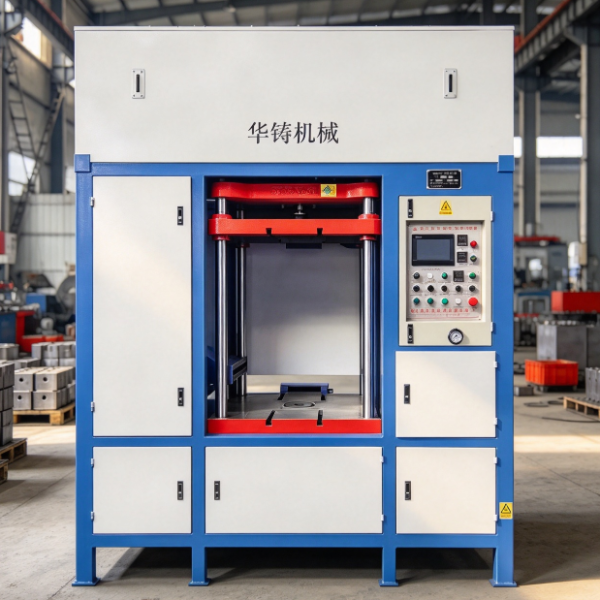
A Shell Core Shooter Machine can influence this part of the process through the way it delivers sand, works with the core box, and supports the formation of internal venting paths throughout the cycle. Good venting stays closely connected with filling, compaction, core strength, and the condition of the finished casting that comes out the other end.
For manufacturers using a Sand Core Making Machine, venting should therefore get considered during both equipment selection and core design, not treated as an afterthought. The machine can't solve every venting problem entirely on its own, but its structure and operation can support a process in which air and gas have suitable paths to leave the core.
Why Does Core Venting Matter During Shell Core Making?
When sand enters a core box, it takes up space that was previously occupied by air sitting quietly in the cavity. That air needs to move somewhere else as the cavity becomes filled with material. If there's no practical path for it, pressure can build in certain areas and interfere with the way sand settles around it.
The issue doesn't end once the core leaves the machine either. During casting, gases can also develop as materials inside the mold and core get exposed to heat pouring in from the molten metal. These gases need to move away from the core and casting area without creating unwanted defects along the way.
| Venting Area | Process Role |
| Core box | Provides space for sand and air movement |
| Venting channels | Create paths for air and gas |
| Sand structure | Allows gases to move through suitable spaces |
| Machine filling system | Helps distribute sand into the cavity |
| Casting environment | Provides conditions for gas release |
A Sand Core Shooting Machine can contribute to this process by delivering sand in a way that works with the available venting arrangement already built into the box. The goal isn't simply moving sand quickly through the cycle. The filling process needs to leave enough opportunity for displaced air to actually escape.
How Does a Shell Core Shooter Machine Influence Air Movement?
The movement of sand and air happens at the same time, almost like two dancers who need to stay in step with each other. As sand enters the cavity, air gets pushed away from the incoming material in whatever direction it can find.
The direction and speed of sand movement can influence exactly where that air travels next. If the filling pattern doesn't match the venting arrangement built into the box, certain areas may become genuinely harder to fill properly.
A Shell Core Machine can support better air movement when its shooting system and core box arrangement get designed to work together as a pair. The location of the sand entry point can influence the direction of filling, while the position of venting paths can determine where displaced air can actually escape.
This relationship can get viewed as a simple process worth tracing through. Sand enters, air gets displaced, air moves through available paths, and the cavity becomes filled as the cycle completes. When one part of this sequence gets restricted, the final core may show real differences in density or surface condition once it comes out.
What Role Do Venting Channels Play in Core Production?
Venting channels provide a path for air and gas to move away from areas where they could otherwise become trapped inside the core. Their position matters quite a bit because not every part of a core box shares the same filling behavior.
Deep sections, enclosed areas, narrow shapes, and internal features may require more attention during vent design than a simple flat section would. A suitable venting arrangement can help connect these areas with an outlet path leading somewhere useful.
The channels don't need to get viewed as a separate feature bolted on after the core box gets designed. They can get considered part of the overall cavity layout from the very start of the design process.
| Core Box Area | Venting Consideration |
| Deep cavity | Air may need a clear escape path |
| Narrow section | Filling and air movement may be restricted |
| Internal feature | Gas movement may require additional attention |
| Flat section | Air distribution can differ from deeper areas |
| Complex shape | Venting should follow the actual cavity structure |
For manufacturers, this means venting channels should correspond directly with the way the Sand Core Making Machine introduces material into the cavity during a shot.
How Can Core Box Design Support Better Venting?
Core box design affects both sand filling and air movement in ways that are hard to separate from each other. A cavity with a simple shape may allow air to move a lot more easily than a complicated one would.
More complicated shapes can create areas where air becomes genuinely difficult to remove during the shot. If the venting arrangement doesn't account for these areas, filling may become uneven across the piece.
Core box designers can consider several features together rather than one at a time. Sand entry locations matter, along with venting paths, internal cavity shape, areas where air may collect unexpectedly, core removal requirements once the piece is formed, and surface areas that contact the mold later on.
The purpose isn't adding vents everywhere possible just to be safe. Too many openings can actually affect the structure or surface of the finished core in unwanted ways.
A better approach thinks carefully about where air needs to travel during filling and where gas may need to move during casting later. This makes venting genuinely part of the core box design, rather than a separate production adjustment tacked on afterward.
Can a Shell Core Shooter Machine Help With Gas Venting?
Gas venting relates closely to air movement, but it becomes especially important once the finished core gets exposed to casting heat pouring in. The materials inside the core can produce gases during the casting process as they react to that heat.
If those gases can't escape, they may remain near the casting surface or move into areas where they can create real defects in the finished piece. A Dependable Shell Core Machine can support gas venting by helping produce a core with a suitable internal structure from the start.
Consistent sand filling can contribute to a more predictable path through the core, while appropriate venting features can give gases a route toward an outlet they can actually use. Machine operation, though, is only one part of this larger puzzle.
Core material, binder condition, core box design, venting arrangement, and casting conditions all influence gas behavior together. This is exactly why manufacturers need to examine gas venting as part of the whole core-making process, rather than expecting the machine itself to remove every possible source of gas-related problems on its own.
How Does Sand Filling Affect Venting?
Venting and filling stay closely connected because the two processes happen in the same physical space at once. When sand enters too unevenly, certain areas can become densely packed before other sections have even filled properly.
This can change the available paths for air and gas movement throughout the piece. A balanced filling process helps create a genuinely more consistent sand structure across the whole core.
| Filling Condition | Possible Venting Effect |
| Even material distribution | Supports more consistent air movement |
| Uneven filling | May create areas with different gas paths |
| Poor cavity access | Can make internal areas harder to fill |
| Uncontrolled material movement | May affect the final core structure |
The relationship becomes particularly important for cores containing internal passages that aren't visible from outside. A core may look complete from the outside while still containing areas where air movement was limited during production behind the scenes.
Checking only the external surface may therefore miss part of the problem entirely, which is worth remembering during inspection.
What Casting Defects Can Be Linked to Poor Core Venting?
Poor gas movement can contribute to several casting problems that show up once the metal solidifies. The exact result depends on the core material, mold arrangement, metal, and casting process involved in that particular job.
Possible issues include gas-related cavities, surface marks, incomplete filling in certain areas, and other irregularities that appear after the metal has cooled and set. These defects shouldn't automatically get blamed on core venting without further checking.
Casting quality depends on many connected conditions working together, not just one variable. Still, recurring defects in similar areas can provide genuinely useful clues worth following up on.
If a casting repeatedly shows a defect near a core section with limited venting, the production team may examine how air and gas actually move through that part of the core. This kind of investigation can include checking the affected core area closely, reviewing the venting channel arrangement around it, examining the core box for blocked or damaged openings, looking at sand distribution inside the cavity, and reviewing the casting area where the defect actually appears.
The goal is connecting the defect with a specific part of the process, rather than changing several conditions at the same time and hoping something sticks.
How Does Core Sand Condition Affect Gas Movement?
The condition of the sand also influences how air and gas move through the finished core once it's formed. Sand that's been prepared consistently can form a genuinely more predictable structure during shooting and curing.
Changes in material preparation may alter how tightly particles settle or how easily gases move through the core afterward. This is exactly why a Sand Core Shooting Machine shouldn't get considered separately from the material preparation process feeding into it.
If the same machine produces different results with noticeably different sand conditions, the cause may not be the equipment itself at all. Production teams can pay attention to material consistency, mixing condition, storage condition, sand distribution, core surface condition, and changes in casting results over time.
These observations can help determine whether a venting issue relates to core production or to another stage of the process entirely.
Why Does Vent Location Matter?
A vent proves useful only when it connects with an area that actually needs an escape path in the first place. If the vent location doesn't correspond with the way air moves through the cavity, it may provide limited practical benefit despite being there.
This becomes more noticeable with complicated core shapes that have several internal features packed together. The position of shooting openings and vents can therefore get considered together rather than separately.
A simple layout might follow this pattern: material enters through the shooting area, moves into the filling zone, spreads through the internal cavity, and eventually reaches a venting path leading out. The actual arrangement depends heavily on the shape of the core being made.
Manufacturers may also need to consider whether the vent path remains open once the core is formed. A vent that becomes blocked by material can't perform its intended function no matter how well it was placed originally.
This makes the relationship between vent size, location, sand movement, and core structure genuinely important, even when no single feature determines the final result on its own.
How Can a Shell Core Machine Support Consistent Core Venting?
Consistency matters quite a bit when a production line makes repeated cores day after day. If sand enters the core box differently from one cycle to another, the internal structure of the core may also change without anyone noticing right away.
Small differences can become a lot more noticeable when the core contains narrow or complex areas prone to trouble. A Shell Core Machine can support repeatable production by providing a controlled process for sand delivery and core formation shot after shot.
The machine should work with the core box, rather than forcing the same approach onto every core design that comes through. Useful production checks can include several practical areas worth reviewing regularly.
| Check Area | What It Can Reveal |
| Sand filling | Whether the cavity receives material evenly |
| Core surface | Whether filling creates visible irregularities |
| Vent openings | Whether gas paths remain available |
| Core removal | Whether the formed core remains stable |
| Casting results | Whether recurring defects appear |
These checks provide practical feedback without treating venting as some isolated machine feature disconnected from everything else.
What Should Manufacturers Consider When Choosing a Sand Core Making Machine?
Equipment selection should reflect the actual core shapes and production tasks involved in a shop's daily work. A Sand Core Making Machine should get considered in relation to sand delivery, core box compatibility, venting arrangements, adjustment needs, and routine maintenance together.
A machine that works with several core box designs can prove genuinely useful when production includes different core shapes across a catalog. The important point is whether the equipment can support the required filling and venting process for each specific application it faces.
Buyers may review several areas before selecting equipment worth trusting long term. Compatibility with existing core boxes matters, along with control of sand delivery, access to venting areas for inspection, ease of routine inspection overall, support for different core shapes as needs change, and maintenance requirements down the line.
The same thinking applies when evaluating a Dependable Shell Core Machine for a shop floor. Dependability in daily production connects with repeatable operation, practical maintenance, and compatibility with the rest of the molding process surrounding it.
How Can Manufacturers Troubleshoot Venting Problems?
Venting problems are a lot easier to investigate when production teams look at the whole process rather than one isolated piece. A defect may appear during casting, but its actual cause can begin much earlier during core preparation weeks before.
The team can trace the process from sand preparation through shooting, curing, storage, mold assembly, and casting in order. A practical troubleshooting sequence can include identifying where the casting defect appears first, then locating the corresponding area on the core itself.
Inspecting the venting path around that area comes next, followed by checking whether the core surface and structure remain consistent throughout. Reviewing sand filling behavior helps too, along with examining the core box for blocked or damaged areas that might explain things.
Comparing the result with other cores made under the same process rounds out the investigation nicely. This approach can help separate venting problems from issues involving material preparation, core handling, or casting conditions elsewhere in the chain.
It also reduces the risk of making several process changes at once without knowing which one actually affected the result.
How Does Core Venting Relate to Precision Machined Castings?
The quality of a cast component can influence what happens well after casting finishes and the piece cools down. When castings later get used to produce Precision Machined Castings, surface defects, internal irregularities, or unwanted material conditions may create additional work during machining or inspection down the line.
Core venting isn't the only factor involved in this outcome, but it can form part of the chain between core production and the condition of the finished casting that eventually reaches a machinist's bench. This connection gives manufacturers another genuine reason to pay attention to gas movement early on.
A core may perform its basic shaping function just fine while still creating problems if gases can't move away properly during casting. Better coordination between core design, venting, and the casting process can help production teams identify such issues a lot earlier than they otherwise would.
How Can Venting Be Built Into the Core Production Process?
Core venting works a lot better when it gets considered from the very beginning of core development, not bolted on near the end. The Shell Core Machine, core box, sand preparation process, and venting arrangement should get viewed as connected parts of one production system working together.
A change in core shape may require changes in how material enters the cavity and how air leaves it as a result. Manufacturers can review the process through several practical stages worth walking through in order.
| Production Stage | Venting Focus |
| Core design | Identify areas where air may become trapped |
| Core box preparation | Provide suitable venting paths |
| Sand preparation | Maintain consistent material condition |
| Shooting | Support controlled material movement |
| Core formation | Check internal and surface consistency |
| Casting | Observe gas-related casting defects |
This approach gives venting a genuinely clear place within production planning rather than treating it as an afterthought.
For a Sand Core Shooting Machine, the useful question isn't simply whether it can push sand into a cavity efficiently. It's whether its filling process works with the core box and venting arrangement to form a core that performs as intended once it hits the casting floor.
That relationship becomes increasingly important as core shapes include more internal sections, curved passages, enclosed spaces, or areas where air movement proves difficult to control from the start.



