 En
En
 русский
 Español
 عربى
عربى Deutsch



Choosing the Right Metal Casting Mold: What Affects Cost, Quality, and Production Results
For many buyers, selecting a casting mold is not simply a tooling decision. It has a direct impact on part quality, production consistency, delivery reliability, and total project cost. In metal casting, the mold influences far more than the shape of the part. It also affects how smoothly the process runs and how stable the results remain over time.
Why Mold Selection Matters Early in a Project
In the early stage of a casting project, attention usually goes to part drawings, alloy selection, and target cost. Those factors are important, but mold planning deserves the same level of attention. A mold that is not suited to the part or the process can create problems that continue throughout production.
Common issues linked to poor mold selection include:
- Inconsistent dimensions
- Surface defects
- Unstable metal flow
- Higher scrap rates
- Repeated tooling corrections
- Delays in production startup
When the mold is developed with the application in mind, many of these issues can be reduced before mass production begins.
Standard Tooling vs. Custom Metal Casting Molds
Some cast parts can be produced efficiently with standard tooling, especially when the design is relatively simple and the technical requirements are limited. But for many automotive and industrial applications, a more dedicated mold design is often necessary to support performance, consistency, and production goals.
Standard tooling may be suitable for:
- Simple part configurations
- Less demanding tolerance levels
- Shorter or lower-volume production runs
- Basic post-casting machining needs
Custom metal casting molds are often preferred for:
- Intricate part geometry
- Closer dimensional accuracy
- Alloys with specialized casting performance
- Higher-volume manufacturing programs
- Stable repeatability over time
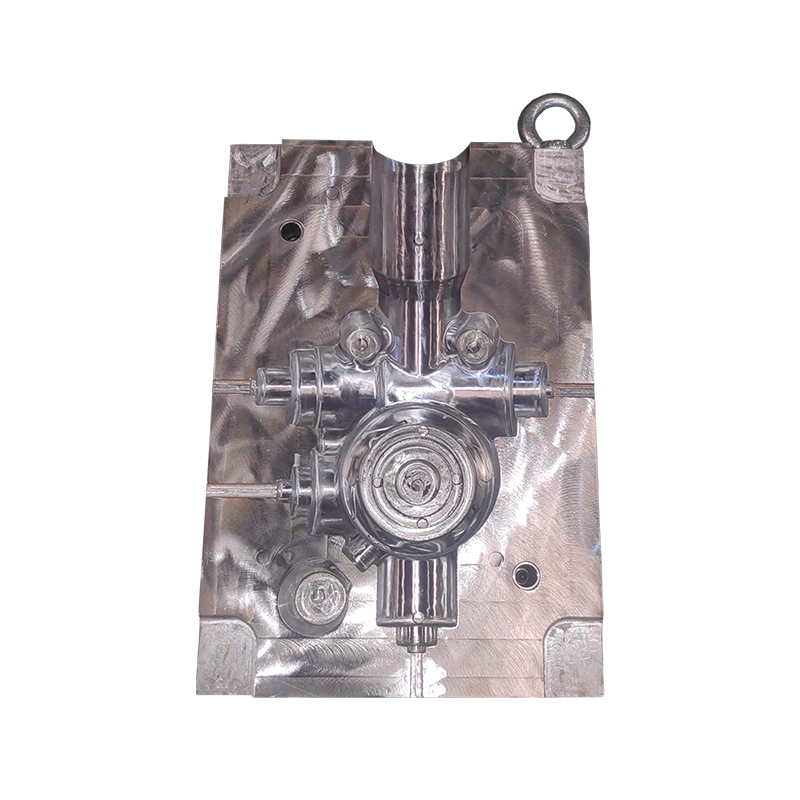
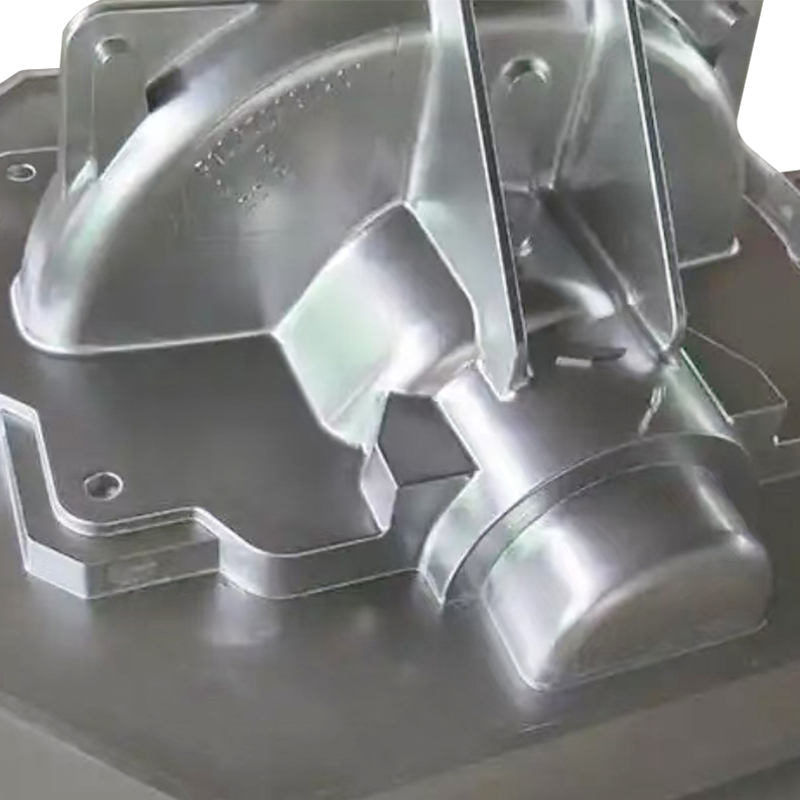
That is where custom metal casting molds become especially useful. Instead of relying on a general tooling setup, they are developed to match the specific design, material, and production conditions of the part.
How Mold Design Affects Manufacturing Efficiency
A good mold does not only support part quality. It can also improve daily production performance. When tooling is designed correctly, the casting process tends to be more stable, with fewer interruptions and fewer adjustments on the shop floor.
Areas where mold design can improve efficiency:
- Better flow and filling behavior
- More consistent cooling conditions
- Reduced material waste
- Less rework and fewer rejected parts
- Smoother downstream machining and finishing
In many cases, the cost of a mold should be evaluated against its effect on production efficiency, not only against its initial price.
In metal mold casting, a lower initial tooling price does not always translate into better value over time. Molds that can maintain stable performance through repeated production cycles often help control overall manufacturing costs by reducing scrap, avoiding unnecessary downtime, and improving output consistency. At Huazhu Supplier, this long-term perspective is an important part of how mold solutions are evaluated for industrial production.
As a result, many companies view mold selection as a strategic sourcing decision rather than a simple purchase based on upfront cost alone. The right mold contributes to consistent product quality, smoother production efficiency, and stronger value throughout the full lifecycle of the project.



