 En
En
 русский
 Español
 عربى
عربى Deutsch
Choosing the Right Casting Parts Manufacturer Guide
Industry News-A component fails mid-season on equipment your whole operation depends on. Suddenly the project timeline slides backward while you scramble for a replacement part nobody had on hand. Choosing the right Casting Parts Manufacturer before that failure happens, rather than scrambling after the fact, is really what separates equipment that runs for years without drama from equipment that keeps generating unplanned downtime. Been burned by a part that looked fine on a spec sheet but couldn't handle real field conditions? Here's what actually matters when picking cast components for heavy machinery.
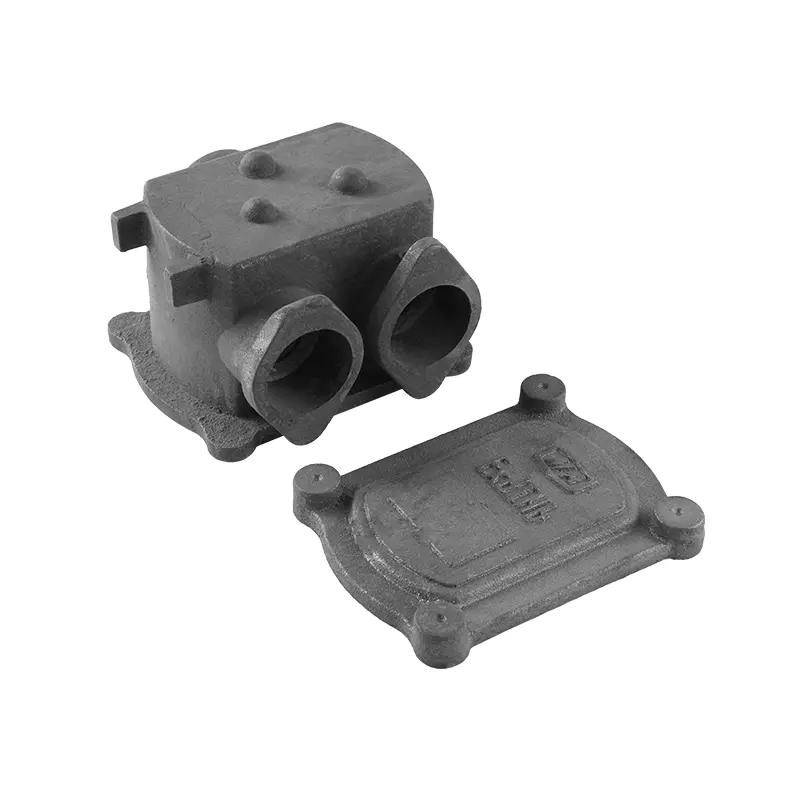
Why Does Casting Selection Matter So Much for Heavy Equipment?
Heavy machinery puts demands on components that lighter applications never really encounter. Constant vibration. Cyclical loading. Exposure to abrasive materials. Long operating hours stacked day after day. All of it combines to test a cast part's actual limits, not just whatever number sits on the theoretical spec sheet.
A component that performs fine in a controlled test environment can still fail early once it's hit with the combined stresses of real world heavy machinery use. That gap between lab performance and field performance is exactly why selection deserves more scrutiny than simply matching a part number to a catalog listing and moving on.
Get this right the first time and you sidestep a whole cascade of downstream costs — unplanned downtime, replacement parts sourced under time pressure, sometimes damage to surrounding components when one casting fails and takes something else down with it.
What Materials Work Best for Heavy Machinery Castings?
Material selection sits at the foundation of any casting decision. Different alloys bring genuinely different strengths depending on the application and the environment the part will actually live in.
How Does Cast Steel Perform Under Heavy Loads?
Cast steel remains a go-to for components facing serious structural stress, combining strength with decent fatigue resistance across repeated loading cycles. Structural brackets, heavy frame elements, load bearing joints — these lean on cast steel precisely because it holds up under the kind of cyclical stress heavy machinery throws at it constantly.
Why Do Some Applications Call for Ductile Iron Instead?
Ductile iron offers a different balance — good vibration dampening paired with solid wear resistance. That combination suits components needing to absorb shock loading without cracking. Certain housing components, or parts exposed to sudden impact mid-operation, tend to land here.
When Does Aluminium Make Sense for Heavy Machinery Parts?
Sounds counterintuitive, given aluminum's reputation for lighter duty work, but aluminium casting parts genuinely earn a place in specific heavy machinery contexts. Weight reduction matters a lot for components where excess mass just increases fuel consumption or strains supporting structures without adding anything functional in return. Housings, covers, certain non-structural brackets — these often do fine in aluminum, so long as the application doesn't demand the raw strength steel or iron would offer.
What About Brass Components in Industrial Settings?
Brass casting parts show up less often in primary structural roles. Still, they earn their spot in applications needing corrosion resistance paired with good machinability. Bearing components, certain valve parts, fittings exposed to moisture or chemical contact — brass tends to outperform ferrous alternatives here, thanks to its natural resistance properties.
Comparing Casting Materials for Heavy Machinery Use
| Material | Primary Strength | Best Suited Applications |
|---|---|---|
| Cast steel | High structural strength, fatigue resistance | Frames, brackets, load bearing joints |
| Ductile iron | Vibration dampening, wear resistance | Housings, impact-exposed components |
| Aluminium | Reduced weight, moderate strength | Covers, non-structural brackets |
| Brass | Corrosion resistance, machinability | Bearings, valves, moisture-exposed fittings |
Line these up side by side and the pattern becomes fairly obvious. Each material solves a distinct problem. Matching material to actual functional demand matters a lot more than just defaulting to whatever option feels most familiar for a given part category.
How Do Different Casting Processes Affect Part Quality?
Material choice is only half the story. The manufacturing process itself shapes how well a component actually performs once it's in service, and different processes suit different combinations of size, complexity, and required precision.
What Makes a Precision Casting Process Suitable for Heavy Machinery?
A precision casting process delivers tighter dimensional tolerances and finer surface finishes than more basic casting methods — something that matters considerably for components needing exact fit with mating parts. Gears, precision housings, anything with critical dimensional relationships benefits from this level of process control, since even small deviations can create alignment issues or accelerated wear once the part is running.
This approach generally involves more careful attention through melting, mold preparation, and cooling, which means parts need less post-processing machining to hit final spec.
When Does Die Casting Make Sense for Heavy Machinery Components?
Die casting suits high volume runs where consistency across many identical parts outweighs the need for extensive custom geometry. Works particularly well for components produced in larger quantities, where the upfront tooling cost pays off across the run through faster cycle times and consistent dimensional accuracy.
What About Sand Casting for Larger or Custom Components?
Sand casting still holds genuine value for larger components or lower volume custom runs where die casting's tooling investment wouldn't make economic sense. More flexibility for large, complex geometries typical of heavy machinery structural components — though it generally needs more post-casting machining to reach final dimensional accuracy compared to precision alternatives.
What Should Buyers Look for in a Casting Parts Manufacturer?
Nailing material and process choice only gets a buyer partway there. The manufacturer producing those parts plays just as big a role in whether the finished components actually perform as specified once installed.
Worth evaluating:
- Production equipment matched to the size and complexity of your specific components
- Quality control processes covering both dimensional accuracy and internal structural integrity
- Experience with heavy machinery applications specifically — not just general purpose casting work
- Capacity to handle OEM casting parts programs with consistent specifications across repeat orders
- Material sourcing reliability, ensuring consistent alloy composition across production batches
None of these substitute for the others. A manufacturer with excellent equipment but weak quality control creates just as much risk as one with strong quality systems but inadequate capacity for your specific part requirements.
Does Manufacturer Experience With Heavy Machinery Actually Matter?
Quite a bit, actually. Casting parts for heavy machinery face distinct stresses compared to lighter industrial or consumer applications, and manufacturers experienced specifically in this space understand how to account for cyclical loading, vibration exposure, and extended service life expectations — both during material selection and process planning.
A manufacturer lacking this specific experience might produce technically sound castings that still underperform once installed, simply because the design and process decisions weren't informed by that particular application's real world demands to begin with.
How Should Buyers Approach OEM Casting Programs?
OEM casting parts programs bring extra considerations beyond a single component purchase, since these relationships usually involve ongoing production across extended timeframes with consistent specification requirements.
A few practical steps worth taking:
- Establish clear dimensional and material specifications documented thoroughly before production begins
- Confirm quality inspection protocols that apply consistently across every production batch
- Discuss capacity planning to make sure the manufacturer can scale alongside your actual demand
- Review sample parts or prototype runs before committing to full production volumes
Work through these steps upfront and you cut down the risk of specification drift — where small inconsistencies gradually pile up across production runs until finished parts no longer match what you originally asked for.
Why Does Casting Small Metal Parts Require Different Consideration?
Not every heavy machinery application involves large structural castings. Casting small metal parts — fasteners, small brackets, precision fittings — actually needs its own distinct attention. Tolerances often need to be tighter relative to overall part size, and defects tolerable in a large component become proportionally more significant in a smaller one.
Manufacturers capable of handling both large structural castings and smaller precision components offer real value here, since heavy machinery assemblies typically need both categories working together within the same system.
What Questions Should Buyers Ask Before Committing to a Supplier?
Before finalizing a Casting Parts Manufacturer relationship, particularly for ongoing heavy machinery component needs, a few direct questions help clarify whether a potential partner genuinely fits:
- What quality control measures apply specifically to structural or load bearing components
- How does the manufacturer handle material certification and traceability across production batches
- What experience exists with components similar in scale and complexity to your specific needs
- How are dimensional deviations identified and addressed during production, rather than caught only at final inspection
Ask these questions directly rather than leaning on general capability claims, and you'll usually surface meaningful differences between suppliers that a standard catalog or website page just won't reveal.
Evaluating Precision Casting Companies for Long Term Partnerships
Beyond individual part orders, plenty of heavy machinery buyers benefit from building longer term relationships with a precision casting company capable of supporting evolving component needs across multiple projects or product generations. That kind of ongoing partnership tends to deliver better outcomes than bouncing between different suppliers for each new requirement, since an established relationship builds shared understanding of your quality standards and application demands over time.
Whether you're working with a die Casting Parts Manufacturer for high volume components or a die casting parts supplier capable of flexible smaller batch runs, consistency in communication and quality expectations across the relationship tends to matter as much as any single technical capability.
Selecting the right casting parts for heavy machinery applications ultimately comes down to matching material properties, manufacturing process, and manufacturer capability to the actual operating demands your equipment will face in the field — not defaulting to whatever specification looks adequate on paper. Cast steel, ductile iron, aluminum, and brass each solve distinct problems, and precision casting, die casting, and sand casting each suit different combinations of volume, complexity, and tolerance requirements. Buyers willing to evaluate manufacturer experience, quality control depth, and production capacity alongside these technical factors tend to sidestep the costly cycle of premature part failure and unplanned downtime that comes from treating casting selection as a purely transactional decision. Ruian Huazhu Machinery Co., Ltd. works with heavy machinery manufacturers and OEM buyers navigating exactly these selection challenges, supporting projects across cast steel, aluminum, and brass component programs with the quality control depth heavy equipment applications genuinely require. If your current supply chain has been generating inconsistent part quality or unplanned downtime, reaching out to discuss your specific component requirements is a practical next step toward a more dependable casting partnership.
Related products
-

The HZ700-C Fully Automatic Core Shooter With Core Pulling is an advanced molding solution designed ...
See Details -

The Fully Automatic Environmentally Friendly Core Shooting Machine is a highly advanced, eco-conscio...
See Details -

The HZ700-X Fully Automatic Core Shooting Machine With Lower Mold Removal is designed to make core p...
See Details -

The HZ700-X Fully Automatic Core Shooting Machine With Lower Mold Removal is designed for molding ap...
See Details -

The HZ800-X Hydraulic Fully Automatic Core Shooting Machine is designed for efficient and accurate c...
See Details -

The environmentally friendly core shooting machine with lower mold removable is a high-performance s...
See Details -

The Lower Mold Removable Type Environmentally Friendly Core Shooting Machine with Door is an advance...
See Details -

The HZ800-X Hydraulic Environmentally Friendly Core Shooting Machine is an advanced automatic core p...
See Details

Welcome to our company to design according to your design and sample proofing.
Contact Infor
-
 Haixi Town, Pingyang County, Wenzhou City, Zhejiang Province, China
-
 +86-13868387823
-
 +86-577-65197155
-
 +86-577-65197166
-
 13868387823@139.com
huazhultd@outlook.com
Quick Links
Products
Copyright © Ruian Huazhu Machinery Co., Ltd. All Rights Reserved.

